
 Graphite PencilBauhaus
 1949
1949 51.0 x 51.0 cm
 바우하우스 드레스라우 미술관
원하는 크기와 액자로 주문 제작되는, 작가들이 직접 캔버스에 손으로 그린 유화 작품입니다. ( 프린트 판매로 전환 디지털 이미지로 전환)





























작품의 원본 비율을 유지하는 미리 설정된 크기 중에서 선택하세요.

특정 프레임이나 공간에 맞도록 직접 크기를 입력할 수 있습니다. 선택하신 크기가 원본 이미지의 비율과 일치하지 않는 경우, 작품을 자르거나 추가적인 손으로 그린 요소를 사용하여 그림을 확장합니다. 제작 시작 전 승인을 위해 디지털 목업을 보내드립니다.
화면 미리 보기는 실제 자르기 또는 확장을 반영하지 않습니다. 최종 구성은 목업을 통해서만 정확하게 확인하실 수 있습니다.
맞춤 크기 제작도 가능하지만, 원본 비율을 유지하기 위해 사전 정의된 목록에서 크기를 선택하시는 것을 권장합니다.

Untitled (Leipzig Spring Trade Fair 1949, plan view exhibition stand SANAR)
복제본 크기
To gaze upon this piece is not merely to look at an old drawing; it is to step directly into the meticulous, hopeful atmosphere of post-war reconstruction. This architectural plan, documenting the exhibition stand for SANAR at the Leipzig Spring Trade Fair in 1949, transcends its function as a mere technical diagram. It captures a moment of profound societal yearning—the desire to rebuild, to trade, and to establish normalcy after unimaginable upheaval. The monochromatic palette, rendered in graphite on aged paper, immediately imbues the work with the patina of history, inviting the viewer into a dialogue with the past.
The genius here lies in its restraint. Franz Ehrlich’s hand has translated complex spatial relationships into an elegant vocabulary of straight lines and precise geometry. The technique is pure draughtsmanship; every wall, every suggested placement for a table or chair, is defined by the unwavering authority of the pencil stroke. There is no flourish meant purely for beauty, yet the cumulative effect is deeply aesthetic. The plan view forces us to contemplate space from above, stripping away the distractions of depth and focusing instead on pure organization—a testament to human ingenuity imposing order upon a chaotic world.
The year 1949 anchors this piece firmly in the narrative of German recovery. These lines are not just for defining booth boundaries; they symbolize the re-establishment of commerce, culture, and community. The labels—'Cossebaude,' 'Eisenach'—are whispers of industry and connection across regional borders. For the collector or designer, this work speaks to a powerful underlying theme: resilience. It suggests that even from the most fragmented state, structure, planning, and human enterprise can reassert themselves.
While its origins are deeply rooted in industrial documentation, this piece possesses an undeniable graphic sophistication that makes it a remarkable accent for contemporary living spaces. Its stark black-and-white contrast and geometric purity harmonize beautifully with minimalist design aesthetics. Imagine it mounted above a console table or within a gallery wall dedicated to travel or industry; it adds intellectual weight without overwhelming the room. It is art that requires contemplation, rewarding the viewer with layers of historical context alongside its immediate visual appeal.


1907 - 1984 , 독일
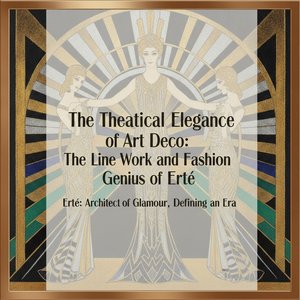
Discover the unparalleled elegance of Art Deco through the lens of Erté. Explore a masterclass in linear precision, theatrical costume design, and high-fashion illustration that continues to define modern luxury and sophisticated interior aesthetics.
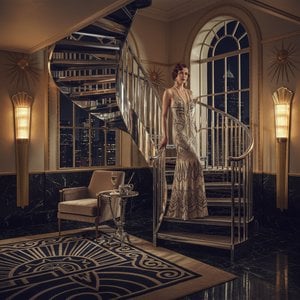
Discover the allure of Art Deco style with our expert guide to luxury interiors. Explore iconic influences from Erté to Jean Dunand and learn to curate a sophisticated space filled with timeless glamour and geometric elegance.

Discover the breathtaking allure of Art Deco. Explore the era's iconic geometry, legendary designers like Erté, and timeless glamour. Perfect for discerning collectors seeking to infuse their spaces with sophisticated modernist elegance and historical prestige.
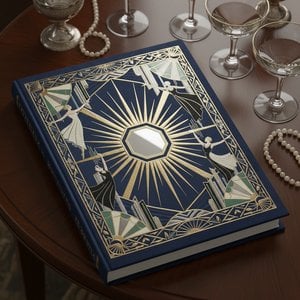
Discover the allure of Art Deco through a curated guide to its most iconic masterpieces. Explore the elegance of Erté and the innovation of Jean Dunand, perfect for collectors seeking timeless glamour and sophisticated design inspiration.

Elevate your artistic practice with this expert guide to mastering the line. Discover advanced techniques in graphite, charcoal, and contour drawing designed for art students seeking technical precision and expressive depth in their fine art studies.


 미리보기
미리보기
 공유하기
공유하기 공유하기
공유하기
 상세 정보
상세 정보 가이드 보기

 다운로드
다운로드
 유사 작품
유사 작품 X-레이
X-레이 슬라이드 쇼
 통계 정보
통계 정보 더 보기
더 보기









 유리 옵션은 110cm 미만 크기에서만 선택 가능합니다.


