
빠른 제작과 다양한 마감 옵션을 제공하는 박물관 품질의 지클레이 또는 캔버스 프린트. ( 손으로 그린 그림 구매 디지털 이미지로 전환)





























작품의 원본 비율을 유지하는 미리 설정된 크기 중에서 선택하세요.

특정 프레임이나 공간에 맞춰 직접 치수를 입력하실 수 있습니다. 선택하신 사이즈가 원본 이미지의 비율과 일치하지 않을 경우, 작품을 크롭(자르기)하거나 이미지를 대칭 또는 단색 채우기로 확장하여 제작합니다. 제작 시작 전, 최종 확인을 위해 디지털 목업이 전송됩니다.
화면상의 미리보기는 실제 크롭이나 확장 상태를 반영하지 않으므로, 최종 구도는 오직 목업을 통해서만 정확하게 확인하실 수 있습니다.
맞춤 사이즈 제작도 가능하지만, 원본 비율을 유지하기 위해서는 사전 정의된 목록에서 치수를 선택하시는 것을 권장합니다.

Proporciones
복제본 크기
František Kupka’s ‘Proporciones’ stands as a pivotal work, not merely a painting but a declaration – a bold step into the uncharted territory of abstract art. Completed in an era brimming with intellectual and artistic upheaval, this piece, executed around 1910, embodies the spirit of experimentation that defined the early years of modernism. It's a study in controlled chaos, a meticulously constructed composition where geometric forms and carefully chosen colors wrestle for dominance, ultimately creating a deeply resonant visual experience. The painting’s restrained palette – beige, red, dark blue, and various shades of gray and purple – speaks to Kupka’s desire to strip away representational illusion and focus purely on the fundamental elements of color and shape.
‘Proporciones’ transcends mere geometric abstraction; it's laden with symbolic potential. The title itself suggests an engagement with fundamental relationships – not just mathematical, but perhaps also musical or spiritual. The intersecting rectangles can be interpreted as visual representations of forces interacting, echoing the core tenets of Orphism, a branch of Cubism that prioritized color and emotional response over strict representational accuracy. Kupka’s exploration of pure form and color relationships was deeply influenced by his interest in spirituality and his belief in the underlying harmony of the universe.
Created during a period of intense artistic ferment, ‘Proporciones’ exemplifies Kupka's pioneering role in the development of abstract art. His work anticipated many of the key developments of 20th-century modernism, influencing artists like Kandinsky and Mondrian. This painting is more than just a beautiful object; it’s a window into the mind of a visionary artist who dared to challenge conventional notions of representation and explore the boundless possibilities of color and form. Its enduring appeal lies in its ability to evoke a sense of both order and dynamism, inviting viewers to contemplate the fundamental relationships that shape our visual world.


1871 - 1957

Discover the power of Neo-Abstract art. Explore how bold geometric forms and high-impact visual energy are redefining modern design. Learn to curate sophisticated, high-energy spaces with the latest trends in contemporary abstraction and structural color.
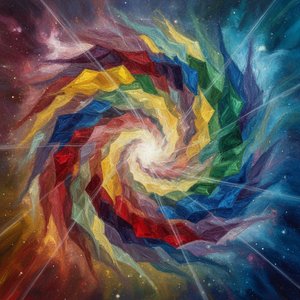
Dive into the high-energy world of Orphism. Discover how this color revolution broke Cubism's rules to define modern abstraction through light, motion, and pure visual impact. Explore the legacy of the Delaunays and bring bold, vibrant energy to your contemporary space.

Journey through Wassily Kandinsky's 25 most iconic abstract paintings. Explore his revolutionary use of color, form & spiritual expressionism. Find museum-quality Kandinsky reproductions and elevate your home decor with WahooArt.com. Discover all masterpieces on WahooArt.com!

몬드리안, 말레비치 등 거장들의 기하학적 추상 미술 명작 10선을 만나보세요. 각 작품의 예술사적 의미와 색채, 구성을 탐구하고 WahooArt.com에서 고품질 아트 프린트를 소장하세요. 지금 바로 온라인 컬렉션을 확인하세요!

페르낭 레제의 최고 걸작 25선을 만나보세요. 큐비즘, 추상 미술의 거장이 그린 명작들의 탄생 비화와 예술적 의미를 탐구합니다. WahooArt에서 고품질 아트 프린트와 인테리어 액자로 공간에 예술을 더하세요. 지금 바로 컬렉션을 확인하세요!


 미리보기
미리보기
 공유하기
공유하기 공유하기
공유하기
 상세 정보
상세 정보

 다운로드
다운로드
 유사 작품
유사 작품 X-레이
X-레이 슬라이드 쇼
 통계 정보
통계 정보

 더 보기
더 보기









 유리 옵션은 110cm 미만 크기에서만 선택 가능합니다.


