

 Acrylic On CanvasWallArtDutch Golden Age
 1663
1663 184.0 x 257.0 cm
 Kunstpalast
작가가 직접 캔버스에 손으로 그린 유화 작품으로, 원하는 크기와 액자로 맞춤 제작해 드립니다. ( 프린트 판매로 전환 디지털 이미지 판매 채널로 전환)





























작품의 원본 비율을 그대로 유지하는 프리셋 사이즈 중에서 선택해 보세요.

액자나 벽면 크기에 맞춰 필요한 가로와 세로 길이를 입력해 주세요. 본 작품은 수작업으로 제작되므로, 요청하신 비율에 따라 작가가 그림의 가장자리를 조금 더 넓게 그리거나 일부를 조정하여 작업할 수 있습니다. 작업 시작 전, 최종 확인을 위해 디지털 목업 이미지를 보내드립니다. 이 페이지에 표시된 이미지는 실제 결과물과 다를 수 있으며, 오직 목업 이미지만이 정확한 결과물을 보여줍니다.
Boy Blowing Bubbles
복제본 규격
Frans van Mieris' “Boy Blowing Bubbles,” painted in 1663, isn’t merely a portrait; it’s a carefully constructed tableau of Dutch Golden Age life, brimming with subtle symbolism and an exquisite attention to detail that defines the artist’s signature style. Housed within the Mauritshuis in The Hague, this captivating scene invites us into a world where innocence dances alongside contemplation, and the ephemeral beauty of childhood is juxtaposed against deeper philosophical questions about mortality and the passage of time.
Van Mieris was a leading figure in the “fijnschilder” movement, a group of Dutch painters known for their meticulous realism and mastery of illusionistic techniques. He achieved this through painstaking layering of glazes – incredibly thin washes of paint applied over dry layers – creating an astonishingly lifelike surface that seems to shimmer with depth and texture. Observe the delicate rendering of the boy’s skin, the subtle folds in his clothing, and the way the light catches on the bubbles themselves. Van Mieris didn't simply depict; he constructed a convincing illusion of reality, employing techniques borrowed from both painting and drawing – a testament to his rigorous training under Gerrit Dou.
The composition is rich with layered symbolism, reflecting the intellectual currents of 17th-century Holland. The boy, seemingly lost in a simple pleasure – blowing bubbles – represents fleeting joy and innocence. However, the artist subtly introduces an undercurrent of melancholy. The woman behind him, dressed in luxurious fabrics, holds a baby, suggesting motherhood and domesticity, yet her gaze is distant, hinting at the burdens of responsibility. The dog, a symbol of loyalty, stands attentively beside her, perhaps representing steadfastness amidst uncertainty. Even the objects within the room – the vases overflowing with flowers, the clock measuring the relentless march of time, and the window offering a glimpse to an unseen world – contribute to this complex web of meaning.
“Boy Blowing Bubbles” exists within the broader context of the “paragone,” a heated debate in 17th-century Europe concerning the relative merits of painting versus sculpture. Van Mieris, through his masterful manipulation of perspective and texture, powerfully demonstrated painting’s ability to create convincing illusions of space and depth – a skill that directly challenged the perceived superiority of three-dimensional sculpture. The window itself serves as a visual metaphor for this illusionistic prowess, inviting the viewer to step into the scene and contemplate its intricacies. The artist deliberately employs techniques reminiscent of Renaissance perspective, elevating painting’s status within the artistic hierarchy.
Beyond its technical brilliance and symbolic depth, “Boy Blowing Bubbles” evokes a profound sense of nostalgia for a bygone era – a poignant reminder of childhood's fleeting beauty and the inevitable passage of time. It is a work that continues to resonate with viewers today, offering a glimpse into the complexities of human experience and the enduring power of art to capture a single, unforgettable moment.
Learn more about the artwork at the Mauritshuis
"Boy Blowing Bubbles"은(는) 프란스 판 미리스의 Dutch Golden Age 시기 작품으로, 이 작가의 주요 주제로는 dutch golden age realism, symbolic moral interpretation, paragone competition influence, illusionistic depth techniques, van mieris’ detailed portraits 등이 있습니다.
프란스 판 미리스의 "Boy Blowing Bubbles"의 AR 미리보기 페이지에서는 증강 현실(AR) 기술을 사용하여 호환 가능한 기기를 통해 작품이 사용자의 공간에 배치된 모습을 미리 확인할 수 있습니다.
"Boy Blowing Bubbles"의 Nostalgic한 감정은 그 Dutch Golden Age 양식과 함께 어우러집니다.

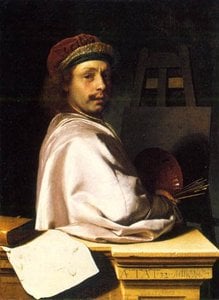
1635 - 1681 , 네덜란드

렘브란트 반 레인 명작 25선을 만나보세요. 빛과 그림자의 거장이 그린 역사화, 초상화 속 예술의 정수를 감상하고, 네덜란드 황금시대 바로크 미술의 깊이를 느껴보세요. WahooArt.com에서 고품질 복제화를 컬렉션하세요.

Embark on a cultural journey through the Dutch Golden Age. Explore the masterful interplay of light and shadow in 17th-century masterpieces, from Rembrandt to Vermeer, and discover how this era of profound realism continues to inspire fine art collectors today.

렘브란트, 베르메르의 걸작부터 할스의 인물화까지! 네덜란드 황금시대 미술의 10대 명품을 만나보세요. 예술적 깊이와 아름다움을 담은 작품들을 WahooArt에서 감상하고, 고품질 아트 프린트로 당신의 공간에 특별함을 더하세요. 지금 바로 WahooArt.com에서 모든 걸작을 발견하세요!
Discover the breathtaking beauty of Dutch Golden Age landscapes. Explore the mastery of light, chiaroscuro, and 17th-century realism through an expert art history lens, celebrating the enduring legacy of the Dutch Masters for discerning collectors and art lovers.

Explore the Dutch Golden Age of painting with WahooArt. Discover Rembrandt, Vermeer & other Masters. Learn about key characteristics, iconic artworks, and lasting influence. Expert insights for collectors & enthusiasts.

 실제 크기로 보기
 보내기
보내기 공유하기
공유하기
 상세 보기
상세 보기 가이드 보기

 이미지 다운로드
 유사 작품 더 보기
 X-레이
X-레이 슬라이드 쇼 보기
 통계 정보
통계 정보 상세 보기
상세 보기









 유리 옵션은 110cm 미만 크기에서만 선택 가능합니다.


