
 Oil On CanvasWallArtBaroque
 Early Modern
 201.0 x 333.0 cm
 알테 핀코테크
원하는 크기와 액자로 주문 제작되는, 작가들이 직접 캔버스에 손으로 그린 유화 작품입니다. ( 프린트 판매로 전환 디지털 이미지로 전환)





























작품의 원본 비율을 유지하는 미리 설정된 크기 중에서 선택하세요.

특정 프레임이나 공간에 맞도록 직접 크기를 입력할 수 있습니다. 선택하신 크기가 원본 이미지의 비율과 일치하지 않는 경우, 작품을 자르거나 추가적인 손으로 그린 요소를 사용하여 그림을 확장합니다. 제작 시작 전 승인을 위해 디지털 목업을 보내드립니다.
화면 미리 보기는 실제 자르기 또는 확장을 반영하지 않습니다. 최종 구성은 목업을 통해서만 정확하게 확인하실 수 있습니다.
맞춤 크기 제작도 가능하지만, 원본 비율을 유지하기 위해 사전 정의된 목록에서 크기를 선택하시는 것을 권장합니다.

Fruit and Vegetable Stall
복제본 크기
To stand before Frans Snyders’ "Fruit and Vegetable Stall" is to step directly into the vibrant heart of 17th-century Flemish commerce. This monumental oil on canvas, a true testament to the Baroque obsession with material richness, does more than merely depict produce; it captures an entire sensory experience. The sheer abundance presented—piles of jewel-toned fruits nestled beside earthy vegetables—speaks volumes about the prosperity and daily life of the era. Snyders masterfully transforms a humble market stall into a grand spectacle of color and texture, inviting the viewer to inhale the imagined scent of ripe grapes and sun-warmed stone.
Snyders’ technical prowess is breathtakingly evident throughout this composition. His handling of light and shadow, or chiaroscuro, is nothing short of miraculous. Light does not simply fall upon the stall; it seems to emanate from within the objects themselves, catching the waxy sheen on a peach or illuminating the deep purple of hanging grapes. Observe the meticulous rendering of the white cloths draped over the tables; they serve as perfect foils, allowing the saturated hues of the produce—the crimson of apples, the verdant depth of leaves—to achieve maximum impact. This level of hyper-realism demands an almost scientific observation from the artist, yet it is imbued with a painterly grace that elevates mere documentation to high art.
What elevates this piece beyond a simple still life is the inclusion of human figures, which injects narrative tension into the scene. In the foreground, the woman in the striking red dress acts as an immediate focal point, her gaze drawn downward to the bounty before her, suggesting a moment paused mid-transaction. Further back, the man attending the counter, his hand resting near the scale, anchors the commerce aspect of the painting. These figures are not merely props; they guide our eye through the composition, inviting us to participate in the implied exchange—the careful weighing, the selection, the joyful acquisition of earthly goods.
Art historically, such depictions were rarely just about food. They are profound meditations on abundance, prosperity, and the cyclical nature of life itself. The overflowing bounty symbolizes material wealth and God's generosity, themes deeply resonant in Baroque culture. Furthermore, the inclusion of various types of produce—from hardy root vegetables to delicate grapes—can subtly suggest the passage of seasons and the continuity of life. For the modern collector or designer, this painting offers more than decoration; it is a conversation piece that speaks to nourishment, craftsmanship, and enduring vitality.
For those wishing to capture the grandeur of this masterpiece within your own walls, acquiring a high-quality reproduction allows you to immerse yourself in Snyders' world without leaving your home. Imagine the rich, saturated colors echoing against contemporary decor, or lending an antique, scholarly air to a formal dining room. The scale of the original—a commanding 201 x 333 cm—suggests its power on a grand wall, and reproductions allow you to curate that monumental feeling in a way perfectly suited to your architectural vision.


1579 - 1657 , 벨기에

Explore the dramatic brilliance of the Flemish Baroque movement. Discover how masters like Peter Paul Rubens utilized chiaroscuro and dynamic composition to redefine art history through light, shadow, and unparalleled emotion.
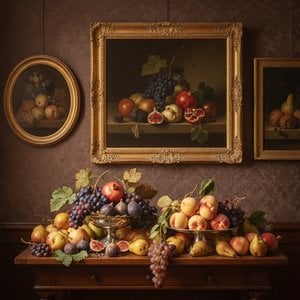
Discover the profound beauty of fruit still life paintings. Explore the rich symbolism, Baroque mastery, and timeless allure of nature's bounty through an art-historical lens, perfect for collectors and enthusiasts of classical fine art.

Explore the profound beauty of fruit arrangement masterpieces. From Dutch Golden Age opulence to Baroque chiaroscuro, discover the art history, symbolism, and timeless elegance of classical still life paintings for the discerning collector.


 미리보기
미리보기
 공유하기
공유하기 공유하기
공유하기
 상세 정보
상세 정보 가이드 보기

 다운로드
다운로드
 유사 작품
유사 작품 X-레이
X-레이 슬라이드 쇼
 통계 정보
통계 정보 더 보기
더 보기









 유리 옵션은 110cm 미만 크기에서만 선택 가능합니다.


