
 Acrylic On CanvasWallArtDutch Golden Age
 1626
1626 37.0 x 37.0 cm
 Staatliches Museum
원하는 크기와 액자로 주문 제작되는, 작가들이 직접 캔버스에 손으로 그린 유화 작품입니다. ( 프린트 판매로 전환 디지털 이미지로 전환)





























작품의 원본 비율을 유지하는 미리 설정된 크기 중에서 선택하세요.

특정 프레임이나 공간에 맞도록 직접 크기를 입력할 수 있습니다. 선택하신 크기가 원본 이미지의 비율과 일치하지 않는 경우, 작품을 자르거나 추가적인 손으로 그린 요소를 사용하여 그림을 확장합니다. 제작 시작 전 승인을 위해 디지털 목업을 보내드립니다.
화면 미리 보기는 실제 자르기 또는 확장을 반영하지 않습니다. 최종 구성은 목업을 통해서만 정확하게 확인하실 수 있습니다.
맞춤 크기 제작도 가능하지만, 원본 비율을 유지하기 위해 사전 정의된 목록에서 크기를 선택하시는 것을 권장합니다.

Boy holding a Flute (Hearing)
복제본 크기
Frans Hals' "Boy Holding a Flute (Hearing)," painted in 1626, is more than just a portrait; it’s a vibrant snapshot of youthful exuberance and the subtle pleasures of sensory experience. This captivating work, now residing in the Staatliches Museum Schwerin, offers a glimpse into the heart of the Dutch Golden Age, revealing Hals' masterful ability to capture not only physical likeness but also fleeting emotion and the very essence of human interaction.
The subject himself is a young boy, radiating an almost mischievous delight. His posture—leaning slightly forward, head tilted at a charming angle—immediately draws the viewer in. He holds a flute delicately between his fingers, poised as if ready to unleash a cascade of notes. Yet, it’s not merely the instrument that commands attention; it's the boy’s expression – a subtle, knowing smile playing on his lips – that truly captivates. Hals has rendered this fleeting moment with remarkable immediacy, as if we are witnessing a private joy unfold.
Hals was renowned for his distinctive style, characterized by loose, expressive brushstrokes that eschewed the meticulous detail favored by many of his contemporaries. In “Boy Holding a Flute,” this technique is particularly evident. The paint seems to dance across the panel, creating a sense of movement and vitality. Hals employed a broken color approach, layering thin washes of pigment to build up form and create luminous effects. Notice how the light catches on the boy’s face and clothing, suggesting an inner radiance that mirrors his outward joy.
The background is deliberately understated – a simple grey wash – allowing the figure to dominate the composition. This strategic use of negative space further emphasizes the boy's presence and directs our attention to his captivating expression. Hals’ skill lies not in precise representation, but in conveying atmosphere and emotion through color and brushstroke.
“Boy Holding a Flute (Hearing)” is part of a series exploring the five senses, alongside Hals' "Drinking Boy." The flute itself represents auditory perception – the joy of music and sound. The boy’s tilted head suggests an active engagement with this sensory experience, as if he’s listening intently to an unheard melody. This piece speaks to the importance of pleasure and enjoyment in daily life, a theme prevalent in Dutch Golden Age art.
Considering the pendant portrait "Boy with a Glass and a Pewter Jug," it's clear Hals intended this series to be more than just individual portraits; they were explorations into human experience. The pairing reinforces the idea that these seemingly simple moments of everyday life are filled with profound significance, inviting us to contemplate our own sensory perceptions and emotional responses.
“Boy Holding a Flute (Hearing)” is a testament to Frans Hals’ genius – a remarkably intimate portrait that transcends the conventions of its time. It's a painting brimming with life, joy, and a subtle understanding of human nature. Whether you are an art enthusiast, collector, or simply seeking a piece of beauty to enrich your home, this work offers a captivating glimpse into the heart of the Dutch Golden Age and a timeless celebration of youthful delight.
For those interested in exploring further, resources such as the Frans Hals Museum in Haarlem (https://frans-hals.org/Boy-Holding-A-Flute-Hearing.html) offer invaluable insights into Hals’ life and work, while Wikipedia provides a comprehensive overview of the painting's history and provenance (https://en.wikipedia.org/wiki/Laughing_Boy_with_a_Flute).

16세기 말, 유럽은 격변의 시기를 겪고 있었다. 종교 개혁의 소용돌이 속에서 예술가들은 새로운 시대의 정신을 담아내기 위해 노력했다. 벨기에 안트베르펜에서 태어난 프란스 할스 1세(Frans Hals I)는 이러한 변화의 물결 속에서 등장한 네덜란드 황금시대의 대표적인 화가 중 한 명이다. 그의 삶은 다소 베일에 가려져 있지만, 혁신적인 초상화와 풍경화를 통해 당대 사회의 역동성과 인간 내면의 깊이를 탐구하며 미술사에 뚜렷한 발자취를 남겼다.
할스의 어린 시절에 대한 자세한 기록은 희박하다. 안트베르펜에서 초기 예술 교육을 받았다고 추정되지만, 종교적 박해와 정치적 불안으로 인해 가족과 함께 네덜란드의 하를렘으로 이주하게 된다. 1610년, 그는 하를렘의 성 루카 길드에 가입하며 본격적인 화가로서의 활동을 시작한다. 당시 하를렘은 활기찬 상업 도시였으며, 할스는 이곳에서 다양한 계층의 사람들을 만나 초상화를 그리기 시작했다.
할스의 그림은 섬세한 묘사보다는 자유롭고 즉흥적인 표현이 특징이다. 그는 동시대 화가들과 달리 느슨하고 역동적인 붓터치를 사용하여 인물의 개성과 생동감을 포착했다. 그의 초상화는 단순한 외모의 재현을 넘어, 모델의 심리 상태와 삶의 에너지를 담아내는 듯하다. 특히 빛과 그림자의 대비를 활용하여 입체감과 깊이를 더하고, 인물의 표정과 제스처를 통해 강렬한 인상을 남겼다.
할스는 수많은 초상화를 남겼지만, 그중에서도 웃는 기사(1624)는 그의 대표작으로 꼽힌다. 이 작품은 인물의 활기찬 표정과 화려한 의상을 통해 당대 귀족 사회의 풍요로운 분위기를 보여준다. 또한 마르 바베(c. 1633-1635)는 노인의 주름과 표정을 섬세하게 표현하여 인간의 삶과 고뇌를 담아낸 작품으로 평가받는다. 하를렘 노인 자선단 초상화(1664)는 단체 초상화에서도 그의 뛰어난 기량을 보여주는 대표적인 예시이다.
뿐만 아니라, 그는 일상생활을 묘사한 풍경화도 많이 제작했는데, 이를 통해 네덜란드 사회의 다양한 모습을 생생하게 담아냈다. 이러한 작품들은 당시 사람들의 삶과 문화를 이해하는 데 중요한 자료가 되고 있다.
할스의 직접적인 영향력을 파악하기는 어렵지만, 그는 독창적인 화풍을 통해 후대 예술가들에게 큰 영감을 주었다. 특히 아드리안 브루워와 요하네스 베르메르 등 네덜란드 황금시대의 다른 화가들에게 영향을 미쳤다고 알려져 있다. 그의 인물 표현 기법은 이후 초상화 미술 발전에 중요한 토대가 되었으며, 빛과 그림자를 활용한 표현 방식은 인상주의 화가들에게도 영감을 주었다.
프란스 할스 1세는 네덜란드 황금시대 회화 발전에 중요한 기여를 했다. 그의 작품은 당시 네덜란드의 번영과 개인주의 정신을 반영하며, 엄격한 형식에서 벗어나 자연스럽고 생동감 넘치는 표현 방식을 추구했다. 오늘날 그의 그림은 전 세계 주요 미술관에 소장되어 있으며, 특히 하를렘의 프란스 할스 박물관에는 그의 작품이 가장 많이 전시되어 있다. 그의 예술적 업적은 시대를 초월하여 많은 사람들에게 감동과 영감을 주고 있다.

1580 - 1585 , 벨기에

Journey through the Golden Age with our guide to the Top 10 Dutch Baroque masterpieces! Explore iconic paintings by Rembrandt, Vermeer & Frans Hals. Find museum-quality art reproductions and elevate your home decor at WahooArt.com.

렘브란트, 베르메르의 걸작부터 할스의 인물화까지! 네덜란드 황금시대 미술의 10대 명품을 만나보세요. 예술적 깊이와 아름다움을 담은 작품들을 WahooArt에서 감상하고, 고품질 아트 프린트로 당신의 공간에 특별함을 더하세요. 지금 바로 WahooArt.com에서 모든 걸작을 발견하세요!
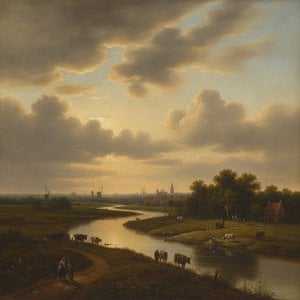
Discover the breathtaking beauty of Dutch Golden Age landscapes. Explore the mastery of light, chiaroscuro, and 17th-century realism through an expert art history lens, celebrating the enduring legacy of the Dutch Masters for discerning collectors and art lovers.

Explore the revolutionary portraiture of Frans Hals I, a master of the Dutch Golden Age. Discover his innovative techniques, captivating character studies & lasting impact on art history. Learn more at WahooArt.
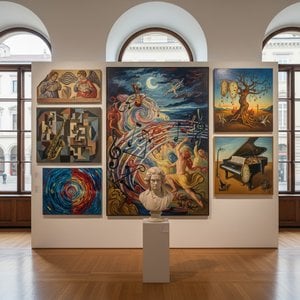
Explore the fascinating history of music's visual representation in art! From ancient symbolism to modern abstraction, discover how artists have captured sound and emotion on canvas. Expert insights & stunning examples.


 미리보기
미리보기
 공유하기
공유하기 공유하기
공유하기
 상세 정보
상세 정보

 다운로드
다운로드
 유사 작품
유사 작품 X-레이
X-레이 슬라이드 쇼
 통계 정보
통계 정보 더 보기
더 보기









 유리 옵션은 110cm 미만 크기에서만 선택 가능합니다.


