
 Oil On CanvasWallArtBaroque
 1645
1645 97.0 x 133.0 cm
 루브르 박물관
빠른 제작과 다양한 마감 옵션을 제공하는 박물관 품질의 지클레이 또는 캔버스 프린트. ( 손으로 그린 그림 구매 디지털 이미지로 전환)





























작품의 원본 비율을 유지하는 미리 설정된 크기 중에서 선택하세요.

특정 프레임이나 공간에 맞춰 직접 치수를 입력하실 수 있습니다. 선택하신 사이즈가 원본 이미지의 비율과 일치하지 않을 경우, 작품을 크롭(자르기)하거나 이미지를 대칭 또는 단색 채우기로 확장하여 제작합니다. 제작 시작 전, 최종 확인을 위해 디지털 목업이 전송됩니다.
화면상의 미리보기는 실제 크롭이나 확장 상태를 반영하지 않으므로, 최종 구도는 오직 목업을 통해서만 정확하게 확인하실 수 있습니다.
맞춤 사이즈 제작도 가능하지만, 원본 비율을 유지하기 위해서는 사전 정의된 목록에서 치수를 선택하시는 것을 권장합니다.

Acis, Galatea, and Polyphemus
복제본 크기
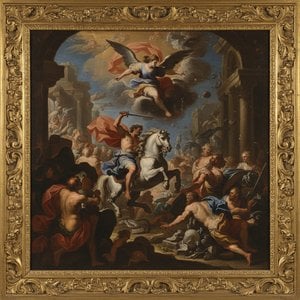
François Perrier's "Acis, Galatea, and Polyphemus," painted in 1645, isn’t merely a depiction of a classical myth; it’s a visceral plunge into the heart of Baroque drama. This monumental canvas, measuring nearly four by six feet, immediately commands attention with its dynamic composition and intensely emotional palette. Perrier masterfully transports the audience to a rugged, storm-wracked landscape – a crucial element that elevates the scene beyond a simple mythological illustration. The rocky terrain, rendered with meticulous detail, suggests both vulnerability and resilience, mirroring the precarious fate of Acis and the looming threat posed by the monstrous Polyphemus.
The central figures—Acis, lying tragically at Galatea’s feet; Galatea herself, radiating a poignant blend of grief and protective tenderness; and the towering, enraged Polyphemus—are sculpted with an almost sculptural quality. Perrier's skill lies not just in capturing their individual forms but in conveying their psychological states through subtle shifts in expression and gesture. Note particularly the downward gaze of Polyphemus, laden with remorse and a hint of bewildered rage, contrasting sharply with Galatea’s sorrowful yet resolute posture. The artist’s use of chiaroscuro—the dramatic interplay of light and shadow—further intensifies this emotional impact, drawing our eyes to the focal points of the scene while simultaneously shrouding the background in an atmosphere of foreboding.
“Acis, Galatea, and Polyphemus” is a quintessential example of the Roman Baroque style, deeply influenced by the works of artists like Guido Reni and Carlo Saraceni. Perrier’s approach aligns with the period's emphasis on theatricality, emotional intensity, and dramatic movement. The painting showcases a remarkable mastery of technique—particularly in his handling of color and texture. He employs rich, saturated hues – deep reds, blues, and greens – to create a sense of opulent drama, while simultaneously utilizing subtle gradations of tone to model the figures with astonishing realism. The brushwork is loose and expressive, contributing to the overall dynamism of the composition. It’s important to note that Perrier was not just a painter; he was also a celebrated printmaker, and his meticulous study of antique sculptures profoundly shaped his artistic vision—a legacy evident in the idealized forms and classical references throughout this work.
Furthermore, Perrier's work represents a pivotal moment in art history. He played a crucial role in introducing the grandeur and dynamism of the Roman Baroque to Parisian ateliers, effectively bridging the gap between Italian Renaissance ideals and French artistic sensibilities. His groundbreaking series of prints after antique sculptures had an immeasurable impact on European art production for decades to come, influencing generations of artists with his meticulous draftsmanship and profound understanding of classical form.
Beyond its aesthetic merits, “Acis, Galatea, and Polyphemus” is rich in mythological symbolism. The story itself—a tale of love, betrayal, and revenge—resonates with universal themes of passion, loss, and the destructive consequences of unchecked rage. Acis, a mortal man, represents vulnerability and mortality, while Galatea embodies grace, compassion, and enduring strength. Polyphemus, the one-eyed giant, symbolizes primal instinct, uncontrolled aggression, and the dangers of isolation. The scene’s dramatic climax—Polyphemus's brutal act of violence against Acis—serves as a potent reminder of the fragility of human life and the ever-present threat of darkness.
The painting’s emotional impact is undeniable. It evokes a sense of profound sorrow, mingled with admiration for Galatea’s unwavering devotion and a chilling awareness of Polyphemus's monstrous nature. Perrier skillfully captures the psychological turmoil experienced by all three characters, creating an artwork that continues to resonate with viewers centuries after its creation. The scene’s inherent drama—the juxtaposition of beauty and brutality, tenderness and rage—makes it a timeless masterpiece of Baroque art.
Reproductions of “Acis, Galatea, and Polyphemus” offer an accessible way to experience the power and artistry of this remarkable painting. When selecting a reproduction, consider the quality of materials used—a fine-art print on archival paper will ensure that the colors remain vibrant for years to come. This iconic scene continues to inspire interior designers seeking to infuse their spaces with drama and emotion, while art collectors appreciate its historical significance and artistic merit. The painting’s enduring appeal lies in its ability to transport us to another time and place—a world of mythic grandeur, intense emotions, and unforgettable imagery.


1594 - 1649 , France
Explore the breathtaking power of Baroque art. Delve into the dramatic interplay of light, shadow, and motion through the works of masters like Caravaggio. Discover how the era's intense emotional realism continues to inspire collectors and connoisseurs of classical grandeur.

Explore the breathtaking drama of the Baroque era. From the mastery of chiaroscuro to epic mythological narratives, discover a definitive guide to art's most powerful period of light, shadow, and emotion for the true classical art enthusiast.

Embark on a sophisticated journey through the eternal allure of mythological art. Discover how master painters breathe life into ancient legends, from Greek deities to Baroque masterpieces, and learn to curate these timeless narratives within your own exquisite art collection.

Explore the profound elegance of Baroque Classicism. Discover how masters fused dramatic chiaroscuro with structured order to redefine art history through light, shadow, and emotional grandeur.


 미리보기
미리보기
 공유하기
공유하기 공유하기
공유하기
 상세 정보
상세 정보 가이드 보기

 다운로드
다운로드
 유사 작품
유사 작품 X-레이
X-레이 슬라이드 쇼
 통계 정보
통계 정보 더 보기
더 보기









 유리 옵션은 110cm 미만 크기에서만 선택 가능합니다.


