
x


 Oil On CanvasWallArtRococo Elegance
 1730Early Modern
 59.0 x 72.0 cm
 에르미타주 박물관
빠른 제작과 다양한 마감 옵션을 제공하는 박물관 품질의 지클레이 또는 캔버스 프린트. ( 손으로 그린 그림 구매 이미지 구매)





























작품의 원본 비율을 유지하는 미리 설정된 크기 중에서 선택하세요.

특정 프레임이나 공간에 맞춰 직접 치수를 입력하실 수 있습니다. 선택하신 사이즈가 원본 이미지의 비율과 일치하지 않을 경우, 작품을 크롭(자르기)하거나 이미지를 대칭 또는 단색 채우기로 확장하여 제작합니다. 제작 시작 전, 최종 확인을 위해 디지털 목업이 전송됩니다.
화면상의 미리보기는 실제 크롭이나 확장 상태를 반영하지 않으므로, 최종 구도는 오직 목업을 통해서만 정확하게 확인하실 수 있습니다.
맞춤 사이즈 제작도 가능하지만, 원본 비율을 유지하기 위해서는 사전 정의된 목록에서 치수를 선택하시는 것을 권장합니다.

Crossing the Bridge
복제본 크기
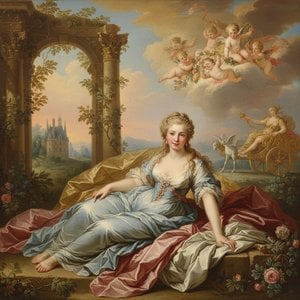
In the soft, luminous glow of the 18th century, few artists captured the ephemeral beauty of a summer afternoon as masterfully as François Boucher. His work, "Crossing the Bridge," serves as a breathtaking window into the Rococo era—a period defined by an unapologetic pursuit of grace, leisure, and aesthetic delight. At first glance, the viewer is transported to an idealized countryside, where the stresses of urban life dissolve into a tranquil tableau of pastoral serenity. A woman, moving with effortless poise, leads her horse and sheep across a weathered stone bridge, her journey mirrored by the slow, rhythmic presence of grazing cows and a watchful dog. This is not merely a landscape; it is a carefully orchestrated symphony of movement and stillness, designed to evoke a sense of profound peace and aristocratic nostalgia.
< p>The composition itself is a masterclass in balance and visual storytelling. Boucher employs a sophisticated pyramidal structure, anchoring the eye with the imposing silhouette of a majestic castle perched atop a distant hillside. This architectural weight provides a sense of permanence that contrasts beautifully with the fleeting, delicate nature of the foreground elements. The bridge acts as more than just a physical path; it serves as a narrative conduit, guiding the observer’s gaze from the intimate details of the animals and the traveler toward the grand, aspirational heights of the fortress. Through this clever arrangement, Boucher creates a sense of depth that invites the viewer to step into the canvas, wandering through the lush greenery and feeling the warmth of the sun-drenched landscape.To behold "Crossing the Bridge" is to witness the pinnacle of Rococo technique. Boucher was a virtuoso of trompe l'oeil effects, utilizing meticulous layering of pigments to breathe life into textures that feel almost tactile. One can almost sense the coarse wool of the sheep, the sturdy grain of the stone bridge, and the velvet softness of the meadow grass. His palette is famously ethereal, dominated by a romantic spectrum of pinks, peaches, and lavenders. These pastel hues do not merely decorate the scene; they bathe it in an atmospheric light that softens the edges of reality, creating a dreamlike quality that is both captivating and soothing.
The artist’s brushwork remains a subject of profound admiration for collectors and historians alike. While his strokes are delicate enough to capture the subtle gradations of a cloud or the gentle ripple of water, they possess an underlying confidence that lends the scene its vitality. This balance between precision and fluidity is what allows the painting to transcend mere imitation of nature, instead offering an elevated, idealized version of it. For the interior designer or the discerning art lover, this piece offers a unique opportunity to introduce a sense of historical grandeur and luminous warmth into a space, acting as a focal point that radiates elegance and timeless charm.
Beyond its aesthetic brilliance, "Crossing the Bridge" carries the weight of historical significance. Created in 1730, during the reign of Louis XV, the painting reflects the cultural values of a society that found beauty in the pastoral and the idyllic. The inclusion of livestock is not merely incidental; it pays homage to the agricultural foundations of French life, reimagined through a lens of aristocratic refinement. It is a celebration of a world where nature and civilization exist in perfect, harmonious equilibrium.
For those seeking to adorn their homes or galleries with works of profound emotional impact, a high-quality reproduction of this Boucher masterpiece offers more than just decoration. It provides an infusion of culture and a constant reminder of the enduring power of beauty. Whether placed in a sunlit morning room or a sophisticated study, "Crossing the Bridge" continues to inspire awe, offering a quiet sanctuary of color and light that remains as relevant and enchanting today as it was three centuries ago.

18세기 프랑스 미술계에 지대한 영향을 미친 화가 프랑수아 부셰(1703-1770)는 우아함, 관능미, 그리고 경쾌한 정신을 담아낸 로코코 시대의 대표적인 거장으로 손꼽힙니다. 그의 작품들은 당시 귀족 사회의 취향과 가치관을 반영하며, 섬세한 붓터치와 파스텔톤 색채를 통해 시대를 초월하는 아름다움을 선사합니다.
1703년 9월 29일 프랑스 파리에서 태어난 부셰는 아버지 장 부셰, 역시 화가였던 그의 지도를 받으며 예술가의 길을 걸었습니다. 열일곱 살의 나이에 프랑수아 레모인의 눈에 띄어 짧지만 의미 있는 수련 기간을 보냈고, 이후 장-프랑수아 카르에게서 판화 기술을 연마했습니다. 그의 예술적 재능은 곧 빛을 발하여 1720년 권위 있는 그랑 프리 드 로마를 수상하며 이탈리아로 유학할 기회를 얻게 됩니다.
그랑 프리 드 로마 수상을 통해 이탈리아에서 보낸 시간은 부셰에게 결정적인 영향을 미쳤습니다. 프랑스로 귀국한 그는 1731년 아카데미 로얄 드 페앙튀르 에 스컬프튀르에 입회했고, *morceau de réception*으로 발표한 “리날도와 아르미다”(1734)는 그를 로코코 양식의 대가로 확고히 자리매김하게 했습니다. 이 시기를 거치면서 부셰만의 독창적인 화풍이 완성되어갔는데, 섬세하고 부드러운 붓터치, 은은한 파스텔 색조, 그리고 신화와 전원생활을 주제로 한 작품들이 그의 특징으로 나타났습니다.
부셰의 작품 세계는 매우 다양합니다. 신화, 초상화, 풍경, 장식 미술 등 여러 분야에서 뛰어난 재능을 발휘했습니다. 그의 대표적인 작품으로는 다음과 같은 것들이 있습니다:
부셰의 작품에서 반복적으로 나타나는 주제는 사랑, 아름다움, 여가, 그리고 이상화된 신화 속 세계입니다. 그의 그림들은 종종 즐거움과 우아함이 넘치는 분위기를 자아냅니다.
부셰의 영향력은 회화 분야를 넘어 연극 무대 의상 디자인, 보바일 공방을 위한 태피스트리 제작, 그리고 고벨린 마뉴팩토리와의 협업 등 다양한 영역에 걸쳐 나타났습니다. 1765년 *프리미에 페앙튀르 뒤 루아* (왕의 제1화가)로 임명되면서 그는 프랑스 로코코 미술의 리더로서 확고한 지위를 얻었습니다. 후대 비평가들이 로코코 미술의 피상성을 비판하기도 했지만, 부셰는 장-오노레 프라고나르와 같은 예술가들에게 영향을 미쳤으며, 그의 제자들을 통해 신고전주의 발전에 기여했습니다.
프랑수아 부셰의 작품은 18세기 프랑스 사회의 취향과 가치관을 엿볼 수 있는 귀중한 창입니다. 그의 그림들은 사치, 세련됨, 그리고 향락을 추구했던 시대의 귀족 문화를 반영하며, 뛰어난 기교와 예술적 혁신으로 미술사에서 중요한 위치를 차지하고 있습니다.

1703 - 1770 , 프랑스
Explore the captivating world of François Boucher, master of Rococo painting! Discover his iconic works, aristocratic patronage, and lasting influence on French art history. Learn more at WahooArt.

Explore the captivating history of pastoral art from classical Arcadia to modern masterpieces. Discover key artists like Millet & Cole at WahooArt. Find serene landscape paintings for your home.

Explore the rich history of pastoral art from classical Arcadia to contemporary interpretations. Discover key artists, themes & collecting tips at WahooArt.

화려함과 우아함의 절정, 로코코 미술! 부셰, 프라고나르 등 거장들의 걸작 10편을 통해 18세기 예술 황금시대를 만나보세요. WahooArt.com에서 박물관 수준의 명품 아트 프린트와 인테리어 영감을 얻으세요. 지금 바로 온라인 컬렉션을 탐험해보세요!

Explore the opulent world of Rococo art! Discover its origins, key artists like Watteau & Boucher, and lasting influence on design. Expert insights for collectors & enthusiasts.


최신 미술 뉴스, 특별 혜택 및 인테리어 아이디어를 가장 먼저 만나보세요.
프로젝트에 대해 알려주시면 저희 미술 전문가들이 맞춤형 아트 제안 3가지를 전달해 드립니다.
당신만을 위한 맞춤형 옵션 3가지를 무료로 추천해 드립니다!


 미리보기
미리보기
 공유하기
공유하기 공유하기
공유하기
 상세 정보
상세 정보

 다운로드
다운로드
 유사 작품
유사 작품 X-레이
X-레이 슬라이드 쇼
 더 보기
더 보기









 유리 옵션은 110cm 미만 크기에서만 선택 가능합니다.


