
 Acrylic On CanvasWallArtRococo
 1734
1734 32.0 x 23.0 cm
 국립미술관
국립미술관빠른 제작과 다양한 마감 옵션을 제공하는 박물관 품질의 지클레이 또는 캔버스 프린트. ( 손으로 그린 그림 구매 디지털 이미지로 전환)





























작품의 원본 비율을 유지하는 미리 설정된 크기 중에서 선택하세요.

특정 프레임이나 공간에 맞춰 직접 치수를 입력하실 수 있습니다. 선택하신 사이즈가 원본 이미지의 비율과 일치하지 않을 경우, 작품을 크롭(자르기)하거나 이미지를 대칭 또는 단색 채우기로 확장하여 제작합니다. 제작 시작 전, 최종 확인을 위해 디지털 목업이 전송됩니다.
화면상의 미리보기는 실제 크롭이나 확장 상태를 반영하지 않으므로, 최종 구도는 오직 목업을 통해서만 정확하게 확인하실 수 있습니다.
맞춤 사이즈 제작도 가능하지만, 원본 비율을 유지하기 위해서는 사전 정의된 목록에서 치수를 선택하시는 것을 권장합니다.

Andromeda (Andromède)
복제본 크기
François Boucher's "Andromeda," painted in 1734, isn’t merely a depiction of a classical myth; it’s an immersion into the shimmering world of Rococo – a realm defined by opulent beauty, delicate emotion, and a profound appreciation for sensual detail. This captivating work transcends its narrative roots, offering a glimpse into Boucher's masterful technique and his deep understanding of how to evoke both grandeur and intimacy within a single canvas. The painting portrays the pivotal moment when Perseus rescues Andromeda from her agonizing fate, chained to a rock cliff awaiting sacrifice to the monstrous Cetus. Yet, it’s not simply a heroic rescue; it’s a tableau brimming with an almost palpable sense of vulnerability, longing, and nascent hope.
Boucher's signature style is immediately apparent: a deliberate avoidance of stark realism in favor of a luminous, idealized beauty. The composition unfolds with a graceful fluidity, drawing the eye through layers of pastel hues and exquisitely rendered textures. Notice how he employs *sfumato*, a technique borrowed from Leonardo da Vinci, to soften edges and create an atmospheric haze, lending the scene an ethereal quality. The colors are rich but restrained – deep blues and purples dominate the stormy sea, contrasted by the warm golds and creams of Andromeda’s gown and the radiant light emanating from Perseus's outstretched hand. This careful orchestration of color isn’t just decorative; it subtly guides the viewer’s gaze and reinforces the emotional narrative.
The story behind “Andromeda” is steeped in Greek mythology, a wellspring of inspiration for Boucher and his contemporaries. The tale recounts how Cassiopeia, queen of Aethiopia, boasted about her beauty surpassing that of the Nereids – sea nymphs. As punishment from Poseidon, the god of the sea, Cetus, a fearsome sea monster, was unleashed to ravage the coastline. To appease the enraged deity, Andromeda was chained to a rock as a sacrificial offering. Perseus, a heroic figure in Greek mythology, intervened, slaying the monster and rescuing the princess. This narrative resonated deeply within the Rococo era, providing a framework for exploring themes of love, courage, and divine intervention – all rendered with Boucher’s characteristic elegance.
The painting captures this dramatic moment with remarkable sensitivity. Andromeda isn't depicted as a passive victim; her posture conveys a mixture of terror and resignation, yet also a glimmer of anticipation. Her arms are outstretched, not in supplication, but seemingly reaching for salvation. Perseus, positioned slightly above and to the right, embodies strength and determination. His gesture is one of decisive action, radiating a warm light that promises deliverance. The surrounding figures – the birds circling overhead, the fish leaping from the waves, the subtle hints of other mythological beings – contribute to the overall sense of drama and wonder.
Boucher's skill as an etcher is evident in every brushstroke. His draftsmanship is impeccable; each figure is rendered with meticulous detail, from the delicate folds of Andromeda’s gown to the muscular contours of Perseus’s body. The artist demonstrates a remarkable ability to capture texture – the rough surface of the rock, the shimmering scales of the fish, the flowing fabric of the princess's attire. This attention to detail isn’t merely superficial; it adds depth and realism to the scene, drawing the viewer into its world.
Furthermore, Boucher masterfully employs *alla prima* painting – working directly onto the wet canvas without underdrawing. This technique allows for a remarkable spontaneity and fluidity of brushwork, contributing to the painting’s luminous quality. The layering of translucent glazes creates an incredible sense of depth and atmosphere, while the subtle variations in color and tone add richness and complexity to the composition. It's a testament to Boucher's control and his ability to seamlessly blend technique with artistic vision.
Beyond its narrative content, “Andromeda” is rich in symbolism. The sea monster Cetus represents chaos and destruction, while Perseus embodies order and salvation. Andromeda’s plight symbolizes vulnerability and the need for protection, while her eventual rescue signifies hope and renewal. The use of light and shadow further reinforces these themes – the radiant glow emanating from Perseus's hand contrasts sharply with the darkness surrounding Andromeda, suggesting the transformative power of love and courage.
Ultimately, “Andromeda” is a painting that speaks to the human condition—to our capacity for both suffering and resilience. It’s a celebration of beauty, grace, and the enduring power of myth. Reproductions capture much of this essence, offering a window into Boucher's world and inviting viewers to contemplate the timeless themes explored within this exquisite masterpiece.

18세기 프랑스 미술계에 지대한 영향을 미친 화가 프랑수아 부셰(1703-1770)는 우아함, 관능미, 그리고 경쾌한 정신을 담아낸 로코코 시대의 대표적인 거장으로 손꼽힙니다. 그의 작품들은 당시 귀족 사회의 취향과 가치관을 반영하며, 섬세한 붓터치와 파스텔톤 색채를 통해 시대를 초월하는 아름다움을 선사합니다.
1703년 9월 29일 프랑스 파리에서 태어난 부셰는 아버지 장 부셰, 역시 화가였던 그의 지도를 받으며 예술가의 길을 걸었습니다. 열일곱 살의 나이에 프랑수아 레모인의 눈에 띄어 짧지만 의미 있는 수련 기간을 보냈고, 이후 장-프랑수아 카르에게서 판화 기술을 연마했습니다. 그의 예술적 재능은 곧 빛을 발하여 1720년 권위 있는 그랑 프리 드 로마를 수상하며 이탈리아로 유학할 기회를 얻게 됩니다.
그랑 프리 드 로마 수상을 통해 이탈리아에서 보낸 시간은 부셰에게 결정적인 영향을 미쳤습니다. 프랑스로 귀국한 그는 1731년 아카데미 로얄 드 페앙튀르 에 스컬프튀르에 입회했고, *morceau de réception*으로 발표한 “리날도와 아르미다”(1734)는 그를 로코코 양식의 대가로 확고히 자리매김하게 했습니다. 이 시기를 거치면서 부셰만의 독창적인 화풍이 완성되어갔는데, 섬세하고 부드러운 붓터치, 은은한 파스텔 색조, 그리고 신화와 전원생활을 주제로 한 작품들이 그의 특징으로 나타났습니다.
부셰의 작품 세계는 매우 다양합니다. 신화, 초상화, 풍경, 장식 미술 등 여러 분야에서 뛰어난 재능을 발휘했습니다. 그의 대표적인 작품으로는 다음과 같은 것들이 있습니다:
부셰의 작품에서 반복적으로 나타나는 주제는 사랑, 아름다움, 여가, 그리고 이상화된 신화 속 세계입니다. 그의 그림들은 종종 즐거움과 우아함이 넘치는 분위기를 자아냅니다.
부셰의 영향력은 회화 분야를 넘어 연극 무대 의상 디자인, 보바일 공방을 위한 태피스트리 제작, 그리고 고벨린 마뉴팩토리와의 협업 등 다양한 영역에 걸쳐 나타났습니다. 1765년 *프리미에 페앙튀르 뒤 루아* (왕의 제1화가)로 임명되면서 그는 프랑스 로코코 미술의 리더로서 확고한 지위를 얻었습니다. 후대 비평가들이 로코코 미술의 피상성을 비판하기도 했지만, 부셰는 장-오노레 프라고나르와 같은 예술가들에게 영향을 미쳤으며, 그의 제자들을 통해 신고전주의 발전에 기여했습니다.
프랑수아 부셰의 작품은 18세기 프랑스 사회의 취향과 가치관을 엿볼 수 있는 귀중한 창입니다. 그의 그림들은 사치, 세련됨, 그리고 향락을 추구했던 시대의 귀족 문화를 반영하며, 뛰어난 기교와 예술적 혁신으로 미술사에서 중요한 위치를 차지하고 있습니다.

1703 - 1770 , 프랑스

Discover the breathtaking elegance of Rococo portraiture. Explore an expert guide to 18th-century mastery, from pastel palettes to aristocratic grandeur, and learn how to bring this era of opulence into your home through museum-quality oil reproductions.

Embark on a sophisticated journey through the eternal allure of mythological art. Discover how master painters breathe life into ancient legends, from Greek deities to Baroque masterpieces, and learn to curate these timeless narratives within your own exquisite art collection.

Explore the profound beauty of mythological figures through the lens of art history. From Renaissance masterpieces to custom oil reproductions, discover how legendary tales of heroism and divinity are immortalized in fine art for discerning collectors.
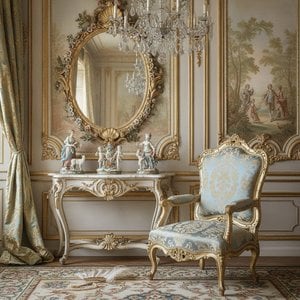
Discover the exquisite allure of Rococo art. Explore a curated guide to 18th-century French masterpieces, from Watteau to Fragonard, and learn how hand-painted oil reproductions can bring timeless elegance and luxury to your sophisticated interior design collection.

Immerse yourself in the splendor of Rococo art. Discover the era of elegance through masterworks by Watteau and Fragonard. Explore themes of romance, aristocratic leisure, and gilded ornamentation in this definitive guide to 18th-century French opulence.


 미리보기
미리보기
 공유하기
공유하기 공유하기
공유하기
 상세 정보
상세 정보 가이드 보기

 다운로드
다운로드
 유사 작품
유사 작품 X-레이
X-레이 슬라이드 쇼
 통계 정보
통계 정보 더 보기
더 보기









 유리 옵션은 110cm 미만 크기에서만 선택 가능합니다.


