빠른 제작과 다양한 마감 옵션을 선택할 수 있는 박물관 수준의 지클레이 및 캔버스 프린트. ( 수작업 채색 복제본 주문하기 디지털 이미지 판매 채널로 전환)





























작품의 원본 비율을 그대로 유지하는 프리셋 사이즈 중에서 선택해 보세요.

액자나 벽면 크기에 맞춰 필요한 가로와 세로 길이를 입력해 주세요. 프린트는 원본 이미지보다 크게 제작할 수 없으며 오직 자르는 것만 가능하므로, 비율이 다른 사이즈를 선택할 경우 이미지의 일부가 잘려 나갈 수 있습니다. 인쇄 작업에 들어가기 전, 최종 확인을 위해 디지털 목업을 보내드립니다. 이 페이지에 표시된 이미지는 실제 잘리는 영역을 나타내지 않으며, 오직 목업을 통해서만 정확한 확인이 가능합니다.
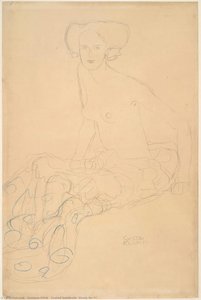
Nude
복제본 규격
François Auguste René Rodin's "Nude," rendered in charcoal on paper, isn't merely a depiction of the human form; it’s a profound exploration of posture, emotion, and the delicate balance between strength and vulnerability. Dating from an unknown period within Rodin’s prolific career – likely spanning the late 19th century – this drawing offers a rare glimpse into the artist’s process, revealing a figure far removed from the grand, heroic sculptures that would later cement his fame. It's a work born not of monumental commission but of intimate observation and a deep engagement with the subtleties of human expression.
The subject herself is presented in a remarkably relaxed yet subtly tense pose. She’s seated, her body gently curved inward, suggesting both introspection and a quiet reserve. The lines of her spine flow organically, mirroring the gentle curve of her torso – a deliberate choice that emphasizes fluidity and suppleness. Rodin masterfully captures the weight of her form, hinting at underlying musculature without resorting to overt anatomical detail. This restraint is key to the drawing’s power; it invites the viewer to complete the image, filling in the gaps with their own interpretations and emotions.
Rodin’s technique here is characterized by a remarkable sensitivity to texture and tone. The charcoal isn’t applied with harsh, decisive strokes but rather layered and smudged, creating a rich, almost velvety surface. Notice the subtle gradations of grey – from deep shadows that pool around the limbs and torso to lighter washes that define the contours of her face and shoulders. This masterful manipulation of value is crucial to the drawing’s sense of depth and volume. The artist utilizes stumping, a technique involving smudging graphite with a tool, to subtly model the body by blending the contour lines, likely with his finger, while leaving the chemise starkly unrendered.
The choice of paper itself contributes significantly to the artwork’s aesthetic. Its textured surface – heavily emphasized in the photograph – provides a tactile counterpoint to the smooth curves of the figure. The slightly rough quality of the paper grounds the image, preventing it from feeling overly polished or idealized. It speaks to Rodin's preference for working with materials that allowed him to capture the essence of his subject rather than simply replicating its appearance.
To understand “Nude,” we must consider Rodin’s broader artistic trajectory. Initially trained as a decorative stonemason, he quickly moved beyond mere craftsmanship, developing a revolutionary approach to sculpture that prioritized emotional expression and psychological depth. Unlike the idealized forms of classical sculpture, Rodin sought to capture the raw, unfiltered reality of human experience – its joys, sorrows, and vulnerabilities. This drawing exemplifies this shift, moving away from grand narratives towards intimate studies of individual figures.
It’s believed that these preparatory drawings served multiple purposes for Rodin: they acted as records of his sculptures, assisting printmakers in creating accurate illustrations; they functioned as personal practice pieces, allowing him to refine his understanding of form and gesture; and, perhaps most importantly, they provided a space for him to explore the emotional complexities inherent in depicting the human body. The fact that this particular drawing depicts a feminine nude suggests an exploration of themes related to femininity, sensuality, and introspection – subjects frequently explored by Rodin throughout his career.
Beyond its technical merits, “Nude” resonates with profound symbolic meaning. The pose itself—a woman leaning inward, a gesture of both vulnerability and self-awareness—evokes feelings of quiet contemplation and perhaps even melancholy. The lack of overt narrative or symbolism allows the viewer to project their own emotions onto the figure, creating a deeply personal connection. It’s not simply a representation of a body; it's an invitation to consider the complexities of human experience – the beauty, the fragility, and the enduring search for meaning.
Rodin’s “Nude” stands as a testament to his artistic genius—a poignant study in form, emotion, and the enduring power of charcoal. It offers a rare glimpse into the creative process of one of art history's most influential sculptors, inviting us to contemplate the beauty and vulnerability inherent within the human condition.


1840 - 1917 , 프랑스

Elevate your artistic practice with this expert guide to mastering the line. Discover advanced techniques in graphite, charcoal, and contour drawing designed for art students seeking technical precision and expressive depth in their fine art studies.

Elevate your artistry with this definitive expert guide to mastering charcoal. Designed for art students, learn professional techniques for capturing profound depth, intricate textures, and dramatic shadows through advanced blending and chiaroscuro methods.

 실제 크기로 보기
 보내기
보내기 공유하기
공유하기
 상세 보기
상세 보기 가이드 보기

 이미지 다운로드
 유사 작품 더 보기
 X-레이
X-레이 슬라이드 쇼 보기
 통계 정보
통계 정보


 상세 보기
상세 보기









 유리 옵션은 110cm 미만 크기에서만 선택 가능합니다.