
원하는 크기와 액자로 주문 제작되는, 작가들이 직접 캔버스에 손으로 그린 유화 작품입니다. ( 프린트 판매로 전환 디지털 이미지로 전환)





























작품의 원본 비율을 유지하는 미리 설정된 크기 중에서 선택하세요.

특정 프레임이나 공간에 맞도록 직접 크기를 입력할 수 있습니다. 선택하신 크기가 원본 이미지의 비율과 일치하지 않는 경우, 작품을 자르거나 추가적인 손으로 그린 요소를 사용하여 그림을 확장합니다. 제작 시작 전 승인을 위해 디지털 목업을 보내드립니다.
화면 미리 보기는 실제 자르기 또는 확장을 반영하지 않습니다. 최종 구성은 목업을 통해서만 정확하게 확인하실 수 있습니다.
맞춤 크기 제작도 가능하지만, 원본 비율을 유지하기 위해 사전 정의된 목록에서 크기를 선택하시는 것을 권장합니다.

Duendecitos
복제본 크기
Francisco José de Goya y Lucientes' "Duendecitos" (Little Spirits) is not merely an etching; it’s a carefully constructed descent into the unsettling heart of human nature. Created around 1797-1799, during a period of profound personal and societal upheaval in Spain, this work embodies Goya’s masterful ability to blend technical brilliance with deeply psychological exploration. The image presents three diminutive figures – often interpreted as mischievous goblins or even representations of the Spanish clergy – engaged in an activity shrouded in ambiguity, set within a dimly lit interior that feels both familiar and profoundly unsettling.
The composition itself is strikingly direct, drawing the viewer’s eye immediately to these central characters. Arranged in a loose triangular formation, they command the frame with an almost claustrophobic intensity. Goya employs a deliberate lack of perspective, flattening the space and prioritizing emotional impact over realistic representation. This technique, characteristic of his later work, contributes to the overall sense of unease – as if we’ve stumbled upon a private, disturbing tableau. The monochromatic palette—a symphony of grays and whites—further amplifies this effect, stripping away any potential distraction from the figures' expressions and gestures.
Goya’s genius lies in his manipulation of line and texture through the etching process. Each jagged, uneven stroke is not simply a depiction of form but a deliberate expression of feeling. The lines defining the figures’ clothing are particularly forceful, conveying both their diminutive size and an underlying sense of menace. Notice how the cross-hatching—a dense layering of parallel lines—creates areas of deep shadow, suggesting hidden depths and hinting at the darkness within these seemingly playful spirits. The texture itself becomes a key element of the artwork's narrative; it’s not just about *what* is depicted but *how* it’s rendered – the roughness and vulnerability of the surfaces mirroring the unsettling nature of the scene.
The meaning of “Duendecitos” has been debated for centuries, with interpretations ranging from a critique of religious corruption to a broader commentary on human folly. The figures’ ambiguous actions—seemingly engaged in a boisterous game involving wine—suggest a disregard for societal norms and perhaps even a hint of malice. Goya frequently used folklore and superstition as metaphors for deeper social anxieties, and the “duendecitos” undoubtedly tap into this tradition. Many scholars believe they represent corrupt clergy, indulging in excess while the populace suffers. The exaggerated features – particularly the prominent teeth of one figure – are deliberately grotesque, reinforcing this interpretation.
"Duendecitos" is a quintessential example of Goya’s mature style—a period marked by an increasingly dark and introspective vision. The dramatic lighting, with its stark contrasts between light and shadow, creates a palpable sense of foreboding. It's reminiscent of his later works like “Saturn Devouring His Son,” reflecting the artist’s growing preoccupation with themes of madness, mortality, and the decay of civilization. This etching stands as a powerful testament to Goya’s ability to transform technical skill into profound psychological insight, cementing his place as one of art history's most enduringly unsettling and profoundly moving figures.
WahooArt offers meticulously crafted hand-painted reproductions of “Duendecitos,” allowing you to experience the full impact of this iconic artwork in a stunningly authentic format. Bring Goya’s haunting vision into your home or office – a captivating piece that speaks volumes about the complexities of human nature and the enduring power of art.


1746 - 1828 , 스페인

Embark on a sophisticated exploration of Spanish art history, from the chiaroscuro mastery of Velázquez to the profound shadows of Goya. Discover how the dramatic light and emotional depth of Spain's greatest masters continue to inspire collectors and connoisseurs today.

Explore the profound drama of Spanish Baroque art. Delve into the mastery of light, shadow, and realism through the legendary works of Diego Velázquez and the Spanish Golden Age.
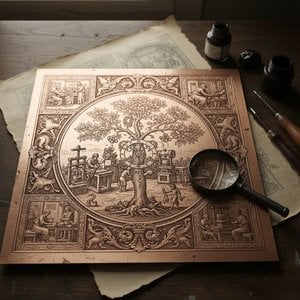
Explore the intricate world of etching and intaglio printmaking. Discover how masters use acid and metal to create profound textures and lines, from Romanticism to modern era, through an expert lens of art history and technical mastery.


 미리보기
미리보기
 공유하기
공유하기 공유하기
공유하기
 상세 정보
상세 정보

 다운로드
다운로드
 유사 작품
유사 작품 X-레이
X-레이 슬라이드 쇼
 통계 정보
통계 정보

 더 보기
더 보기









 유리 옵션은 110cm 미만 크기에서만 선택 가능합니다.


