
 Oil On CanvasWallArtBaroque
 1634Early Modern
 88.0 x 112.0 cm
 에르미타주 박물관
원하는 크기와 액자로 주문 제작되는, 작가들이 직접 캔버스에 손으로 그린 유화 작품입니다. ( 프린트 판매로 전환 디지털 이미지로 전환)





























작품의 원본 비율을 유지하는 미리 설정된 크기 중에서 선택하세요.

특정 프레임이나 공간에 맞도록 직접 크기를 입력할 수 있습니다. 선택하신 크기가 원본 이미지의 비율과 일치하지 않는 경우, 작품을 자르거나 추가적인 손으로 그린 요소를 사용하여 그림을 확장합니다. 제작 시작 전 승인을 위해 디지털 목업을 보내드립니다.
화면 미리 보기는 실제 자르기 또는 확장을 반영하지 않습니다. 최종 구성은 목업을 통해서만 정확하게 확인하실 수 있습니다.
맞춤 크기 제작도 가능하지만, 원본 비율을 유지하기 위해 사전 정의된 목록에서 크기를 선택하시는 것을 권장합니다.

Landscape with Ruins
복제본 크기
To gaze upon this depiction, Landscape with Ruins by Francisco Collantes, is to step across the threshold of time itself. Painted in 1634, this canvas transports the viewer into a pastoral yet profoundly evocative scene. It is more than just a collection of trees, figures, and crumbling stone; it is a meditation on transience, the enduring power of nature against the inevitable decay of human endeavor. Collantes masterfully composes a narrative within the natural world, drawing the eye from the immediate foreground—where weathered ruins whisper tales of forgotten grandeur—back into the deep, verdant recesses of the background.
Francisco Collantes stands as a vital voice in the development of Spanish landscape painting. During Spain's illustrious Golden Age, art was often charged with spiritual weight, yet Collantes carved out a unique niche by elevating the natural setting to such prominence. His technique is characterized by a rich, atmospheric depth; observe how the light seems to filter through the scattered foliage, lending an almost palpable air to the scene. The inclusion of figures—a solitary person near the left ruins and another further back on the right—alongside the gracefully placed horse, imbues the landscape with life. These elements are not mere decoration; they suggest a moment suspended in amber, inviting contemplation upon the passage of time.
The presence of ruins is perhaps the most potent symbolic element here. In art history, decaying architecture invariably speaks to vanitas—the fleeting nature of earthly life and human achievement. Yet, this decay does not evoke mere sadness; rather, it suggests a cyclical renewal. Nature, represented by the robust trees and the grazing horse, persists, absorbing the remnants of what was once mighty. The figures themselves appear caught in quiet contemplation, perhaps pondering the contrast between their fleeting existence and the enduring cycle of growth and ruin that surrounds them. It is a profound dialogue between permanence and impermanence.
For those who wish to capture this sublime atmosphere within your own dwelling, acquiring a high-quality reproduction of this work offers an unparalleled connection to Baroque mastery. The dimensions of 88 x 112 cm allow for a commanding presence on any wall, serving as a focal point that speaks volumes about the owner's appreciation for history and contemplative beauty. Whether placed in a formal salon or a thoughtfully designed study, this piece encourages moments of pause—a necessary respite from the clamor of modern life. It is an heirloom quality artwork, ready to inspire quiet reflection.


1599 - 1656 , Spain
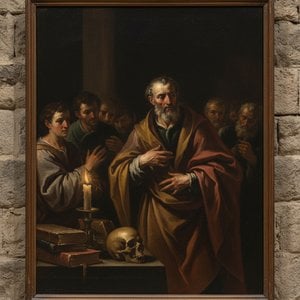
Explore the profound drama of Spanish Baroque art. Delve into the mastery of light, shadow, and realism through the legendary works of Diego Velázquez and the Spanish Golden Age.


 미리보기
미리보기
 공유하기
공유하기 공유하기
공유하기
 상세 정보
상세 정보 가이드 보기

 다운로드
다운로드
 유사 작품
유사 작품 X-레이
X-레이 슬라이드 쇼
 통계 정보
통계 정보 더 보기
더 보기









 유리 옵션은 110cm 미만 크기에서만 선택 가능합니다.


