
x


작품의 원본 비율을 유지하는 미리 설정된 크기 중에서 선택하세요.

특정 프레임이나 공간에 맞도록 직접 크기를 입력할 수 있습니다. 선택하신 크기가 원본 이미지의 비율과 일치하지 않는 경우, 작품을 자르거나 추가적인 손으로 그린 요소를 사용하여 그림을 확장합니다. 제작 시작 전 승인을 위해 디지털 목업을 보내드립니다.
화면 미리 보기는 실제 자르기 또는 확장을 반영하지 않습니다. 최종 구성은 목업을 통해서만 정확하게 확인하실 수 있습니다.
맞춤 크기 제작도 가능하지만, 원본 비율을 유지하기 위해 사전 정의된 목록에서 크기를 선택하시는 것을 권장합니다.

A Small Shipyard On The Thames
복제본 크기

Francis Holman, born in the coastal town of Ramsgate in 1729, was a British maritime painter whose meticulous depictions of ships and naval life cemented his place as a pivotal figure in eighteenth-century art. Though largely unrecognized during his lifetime—a regrettable oversight considering the enduring fascination with his canvases today—Holman’s legacy resides in his contribution to documenting the burgeoning Royal Navy and capturing the spirit of Britain's maritime dominance. He stands alongside Thomas Luny as one of the era’s most accomplished artists, demonstrating a remarkable ability to blend scientific observation with artistic sensitivity.
Holman’s upbringing was profoundly shaped by his father, Francis Holman Sr., a master mariner who instilled in him an unwavering appreciation for seafaring traditions and craftsmanship. His grandfather, a Ramsgate cooper—a profession deeply intertwined with the maritime economy—further solidified Holman's connection to the sea. This familial heritage undoubtedly fueled his artistic vision, informing his detailed renderings of vessels and their surroundings with unparalleled accuracy. He married Elizabeth, producing three sons, John, Francis, and another son who tragically perished in infancy. Subsequently, he remarried Jane Maxted around 1781, though no children were born from this union. Holman’s will penned in 1783 revealed a solitary existence, marking the final chapter of his life.
Holman's artistic journey commenced with an apprenticeship under Thomas Luny, a fellow painter who would become a celebrated maritime artist himself. This formative relationship fostered collaboration and honed Holman’s technique—particularly in capturing the dynamism of naval battles and the intricacies of shipyards. His early works focused on portraits of ships, commissioned by captains eager to commemorate their vessels. From 1768, he resided in several addresses within the Shadwell area of East London, positioned near Wapping and Blackwall Docks, which served as frequent subjects for his brush. These locations were the beating heart of British maritime commerce, providing him with a front-row seat to the construction and departure of great vessels.
His technical prowess is perhaps most evident in his ability to manipulate light and horizon. Drawing significant influence from Dutch sea painters such as Willem van de Velde the Younger, Holman often employed a low horizon line to emphasize the vastness of the sky and the imposing presence of the masts and rigging. His works are not merely records of wood and canvas but are atmospheric studies of movement and weather. Whether depicting the tranquil river traffic on the Thames or the chaotic intensity of naval engagements during the American War of Independence, Holman possessed a rare talent for conveying the weight of the sea and the tension of combat.
The historical importance of Francis Holman extends far beyond the aesthetic value of his oil paintings. He acted as a visual chronicler of an era when Britain was asserting its naval supremacy. His depictions of shipyards, such as the celebrated View of Blackwall Yard, provide invaluable insights into the industrial and maritime landscape of the eighteenth century. The enduring value of his work is reflected in the modern art market; for instance, his masterpiece of Blackwall Yard achieved a staggering sum at Christie’s in 2018, underscoring the continued reverence for his historical accuracy.
Throughout his career, Holman exhibited at prestigious venues including the Free Society of Artists and the Royal Academy, marking his ascent within the professional art community. His contribution to the genre of marine painting is characterized by several key elements:
Today, the works of Francis Holman are cherished not only as fine art but as essential historical documents. He remains a master of the maritime genre, an artist who looked upon the sea with both the eye of a scientist and the soul of a poet.
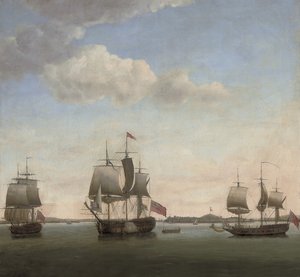
1729 - 1784 , United Kingdom

Discover the profound allure of maritime art through our curated collection of exquisite nautical masterpieces. From hand-painted oil reproductions to bespoke commissions, we provide museum-quality seascapes for elite collectors and luxury hospitality design worldwide.
Embark on a journey through the profound beauty of maritime art. Discover exquisite, hand-painted seascape reproductions and bespoke oil commissions that capture the ocean's eternal soul. Elevate your luxury interiors with museum-quality masterpieces and timeless nautical elegance.
Immerse yourself in the profound beauty of marine art. From 17th-century maritime masterpieces to bespoke hand-painted oil reproductions, discover a curated collection of exquisite seascapes designed for the discerning collector and luxury interior professional. Experience timeless elegance.

Explore the dramatic intensity of naval combat through art history. From Romanticism to classical maritime masterpieces, discover how legendary painters captured the chaos, light, and heroism of sea battles in breathtaking oil paintings.

Explore the profound beauty of American art history. From the Hudson River School to iconic landscapes, discover a curated journey through the masterpieces that defined a nation's spirit and the enduring legacy of American Romanticism.


최신 미술 뉴스, 특별 혜택 및 인테리어 아이디어를 가장 먼저 만나보세요.
프로젝트에 대해 알려주시면 저희 미술 전문가들이 맞춤형 아트 제안 3가지를 전달해 드립니다.
당신만을 위한 맞춤형 옵션 3가지를 무료로 추천해 드립니다!


 미리보기
미리보기
 프린트 구매
 공유하기
공유하기 공유하기
공유하기
 상세 정보
상세 정보

 다운로드
다운로드
 유사 작품
유사 작품 X-레이
X-레이 슬라이드 쇼
 더 보기
더 보기






































 유리 옵션은 110cm 미만 크기에서만 선택 가능합니다.


