미리보기 AR 미리보기 프린트 판매로 전환 손으로 그린 그림 구매 공유하기
상세 정보 가이드 보기 즐겨찾기에 추가 다운로드 유사 작품 X-레이 슬라이드 쇼 통계 정보

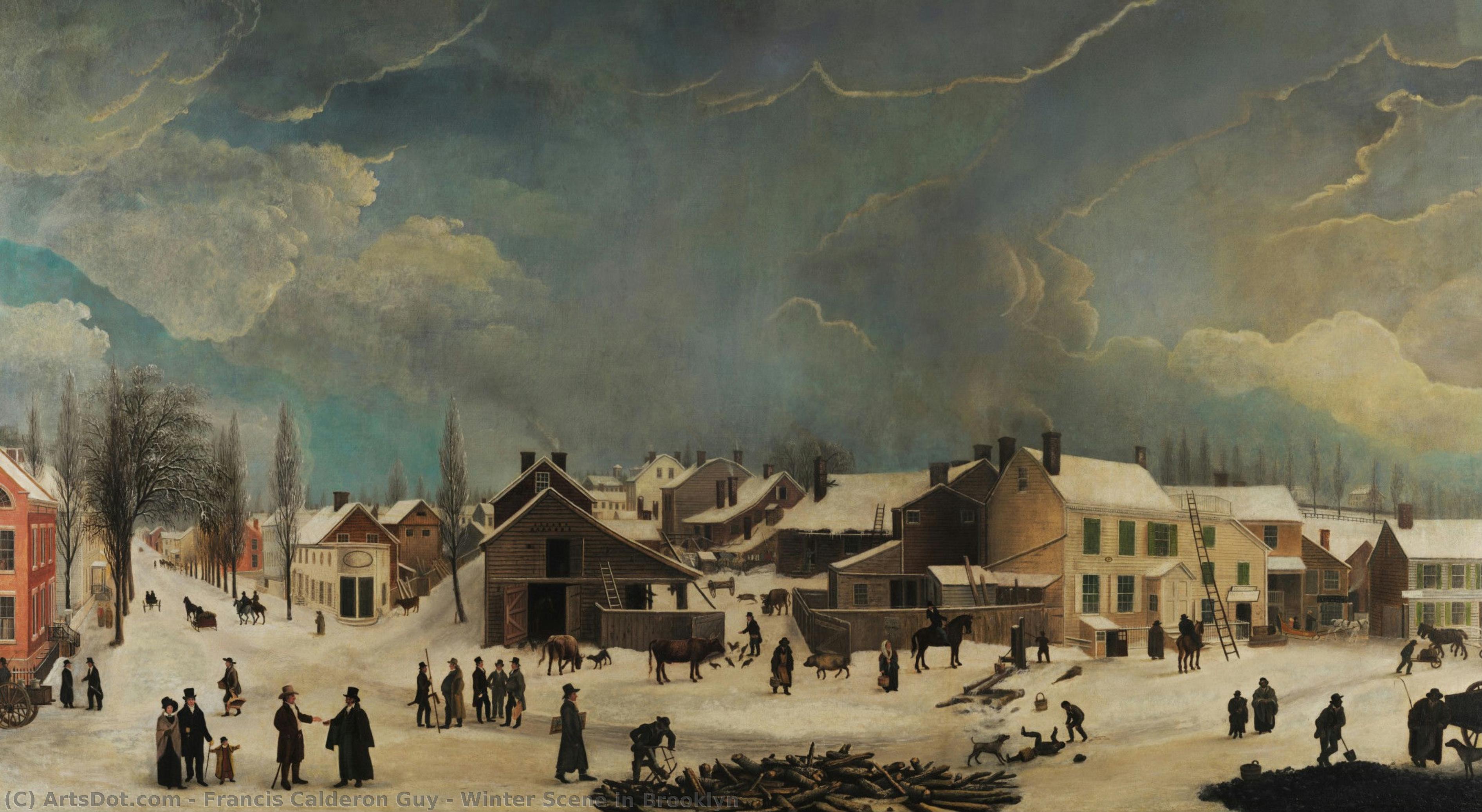
Winter Scene in Brooklyn

A snowy 1820s Brooklyn street scene comes to life through Francis Calderon Guy's detailed urban landscape, capturing a wintry moment of daily life that invites you to bring this historic masterpiece into your home.

Explore the works of Francis Calderon Guy, an early American landscape artist known for his topographic views of Brooklyn & urban scenes. Discover his legacy.

온라인 미리보기보다 훨씬 뛰어난 품질의 고해상도 디지털 이미지를 구매해 보세요.

각 파일은 사내 전문가가 고급 도구와 숙련된 수동 리터칭 기술을 사용하여 세심하게 준비합니다. 우리는 모든 이미지가 탁월한 선명도, 정확한 색상 재현력, 그리고 미세한 디테일까지 완벽하게 갖추도록 보장합니다.

최종 파일은 전문적인 편집 및 인쇄 환경에서 즉시 사용할 수 있도록 최적화되어 72시간 이내에 이메일로 발송됩니다. 이는 세계적인 디자인 스튜디오, 출판사 및 갤러리가 신뢰하는 것과 동일한 품질입니다.

디지털 이미지

개인 소장 및 전시, 인쇄, 창작 프로젝트를 위한 고해상도 파일을 다운로드하세요. ( 프린트 판매로 전환 손으로 그린 그림 구매)

최종 결제 금액

$ 24.90

모든 디지털 이미지 주문에 포함된 혜택

전문적인 디지털 이미지 전송 보장

WahooArt.com를 선택하시면 단순히 이미지를 받는 것을 넘어, 정밀한 보정 과정을 거친 전문적인 디지털 예술 작품을 만나보실 수 있습니다. 모든 작품에는 만족 보장 서비스가 함께 제공되며, 주문 시 다음과 같은 사항들이 자동으로 포함됩니다:

shipping_icon
빠른 이메일 전송

주문 후 72시간 이내에 고해상도 디지털 이미지 파일이 이메일로 발송되며, 즉시 사용하실 수 있습니다.

canvas_icon
AI 기술로 향상된 디지털 파일

귀하의 작품은 고급 AI 도구와 수동 편집 과정을 거쳐 전문적으로 최적화되며, 이를 통해 디테일과 선명도, 색상의 정확도를 극대화합니다.

insurance_icon
평생 무료 재전송 서비스

파일을 실수로 삭제하거나 분실하셨나요? 걱정 마세요. 언제든 무료로 다시 보내드립니다.

tax_icon
추가 수입 비용 없음 - 언제나

관세나 부가세, 배송비 부담 없이 작품을 즉시 감상하세요 - 디지털 다운로드는 언제나 면세 혜택이 적용됩니다.

color_icon
정확한 색상 보장

전문적인 도구와 색상 관리 시스템을 통해 디지털 이미지가 원본의 색상을 최대한 정확하게 구현하도록 보장합니다.

return_icon
100일 안심 보장제

구매하신 디지털 이미지에 만족하지 못하실 경우, 100일 이내에 별도의 조건 없이 수정 또는 100% 환불을 진행해 드립니다.

guarantee_icon
100% 환불 보장

만족스럽지 않으신가요? 디지털 파일을 받으신 후 100일 이내에 어떠한 조건 없이 전액 환불해 드립니다.

discount_icon
대량 주문 할인

이미지 3매 구매 시 10% 할인 - 5매 구매 시 15% 할인 - 10매 이상 구매 시 20% 할인. 크리에이티브 프로젝트, 갤러리, 에이전시에 매우 유용합니다.

This painting presents a view of daily life in Brooklyn, New York. Francis Guy painted the busy intersection of Front, James, and Fulton Streets from the window of his second-floor studio. To capture the architecture and receding space, Guy placed gauze in front of his window and “traced” the scene with chalk, then transferred the sketch onto his canvas.The people he portrayed were his neighbors. An anonymous African American laborer cuts wood in the foreground, while at left, a butcher named Jacob Patchen strolls along carrying a leg of mutton, and carpenter Benjamin Meeker stands at center, holding a square and measuring pole.

작가 소개

Jean Honoré Fragonard: A Dance of Sensuality and Light

Born in Grasse, Provence, in 1732, Jean-Honoré Fragonard’s life was a testament to the shifting currents of French art during the Rococo period. Unlike his contemporaries who often pursued careers within the rigid structures of the Royal Academy, Fragonard forged his own path, becoming renowned for his exquisitely sensual and playful paintings that captured the spirit of aristocratic leisure and romantic intrigue. His career, spanning from the 1760s to his death in 1806, is characterized by a remarkable fluidity of style, blending influences from Italian Baroque masters like Luca Giordano and Rubens with a distinctly French sensibility.

Fragonard’s early artistic training was rooted in the studio of François Boucher at the Académie Royale de Peinture et Sculpture. This formative period instilled within him a deep understanding of composition, color theory, and the conventions of Rococo painting. However, Fragonard quickly distinguished himself through his innovative approach to subject matter and technique. He rejected the traditional historical or mythological themes favored by the Academy, instead focusing on scenes of domestic life, courtship, and flirtation – subjects that resonated with the tastes of a wealthy clientele eager for depictions of pleasure and romance.

  • Early Influences: Fragonard’s Italian sojourn between 1756 and 1761 proved pivotal. He immersed himself in the art of Rome, Naples, and Venice, meticulously copying works by masters such as Guido Reni, Andrea Pozzo, and Giovanni Battista Tiepolo. These studies weren't mere imitations; they served as a foundation for his own artistic development, allowing him to absorb and reinterpret classical techniques within a distinctly personal style.
  • The “Figures de Fantaisie”: Returning to Paris in 1761, Fragonard embraced a unique approach to portraiture, creating a series of fantastical figures known as the *Figures de fantaisie*. These works, characterized by their elaborate costumes, ambiguous settings, and often erotic undertones, defied conventional notions of representation. They were not intended as realistic portraits but rather as imaginative explorations of beauty, desire, and illusion.
  • Royal Patronage and Artistic Freedom: Despite initial hopes for royal commissions, Fragonard largely bypassed the formal channels of patronage, preferring to cater directly to private collectors. This afforded him a remarkable degree of artistic freedom, allowing him to pursue his own creative vision without the constraints imposed by courtly expectations.

The Palette of Pleasure: Style and Technique

Fragonard’s paintings are instantly recognizable for their vibrant color palettes, loose brushwork, and masterful use of light and shadow. He employed a technique known as “alla prima,” working directly onto the canvas without underdrawing or preliminary sketches. This approach resulted in a sense of spontaneity and immediacy that is characteristic of his most celebrated works. His brushstrokes are often rapid and energetic, creating a shimmering effect that captures the fleeting beauty of the scenes he depicts.

  • Color and Light: Fragonard’s use of color is particularly noteworthy. He favored pastel hues—pale pinks, blues, greens, and yellows—to evoke a sense of delicacy and romance. His compositions are often bathed in soft, diffused light, creating an atmosphere of dreamy sensuality.
  • Brushwork: Fragonard’s distinctive brushwork is characterized by its fluidity and expressiveness. He employed short, broken strokes to create texture and movement, while using broader sweeps of color to define form and space.
  • Compositional Innovation: Fragonard frequently employed asymmetrical compositions, placing figures in unconventional poses and creating a sense of dynamic energy within his paintings. His works are often filled with intricate details—floral arrangements, ribbons, and luxurious fabrics—that contribute to their overall richness and visual appeal.

Iconic Works and Lasting Legacy

Among Fragonard’s most celebrated works are *The Swing* (1767-68), a quintessential example of Rococo pleasure and intrigue, and *Saint Mary Magdalene Penitent* (c. 1763), which showcases his ability to infuse religious subject matter with sensual beauty. His paintings were immensely popular during his lifetime, admired for their elegance, wit, and emotional resonance.

  • The Swing: This iconic image, depicting a young woman being swung through a summer afternoon by her lover, has become synonymous with the Rococo era. Its playful composition, vibrant colors, and suggestive details continue to captivate viewers today.
  • Saint Mary Magdalene Penitent: In contrast to *The Swing*, this painting offers a more introspective portrayal of religious emotion. Fragonard’s depiction of Mary Magdalene is both vulnerable and alluring, capturing the complexities of repentance and redemption.

Despite his initial success, Fragonard's fortunes declined after the French Revolution. His works were deemed decadent and frivolous, and he faced financial hardship in his later years. However, his legacy as one of the most important painters of the Rococo period endures. He remains celebrated for his innovative style, his masterful use of color and light, and his ability to capture the essence of human desire and beauty.

A Painter’s World: Context and Historical Significance

Fragonard's art flourished during a time of significant social and cultural change in France. The Rococo period, which spanned roughly from 1730 to 1789, was characterized by a shift away from the formality and restraint of the Baroque era towards a more relaxed, sensual, and pleasure-oriented aesthetic. The rise of the aristocracy and the increasing emphasis on leisure and entertainment provided fertile ground for Fragonard’s artistic explorations.

  • Rococo Aesthetics: Fragonard's work embodies the core principles of Rococo art—a celebration of beauty, elegance, and pleasure. His paintings reflect the tastes of a wealthy clientele who sought to surround themselves with objects of luxury and delight.
  • Social Commentary: While often dismissed as mere depictions of frivolous pursuits, Fragonard’s paintings can be interpreted as subtle commentaries on social conventions and gender roles. His portrayal of women—often depicted as active participants in romantic encounters—challenged traditional notions of female passivity.
  • Influence on Later Artists: Fragonard's innovative style and expressive brushwork influenced a generation of artists, including Eugène Delacroix and Pierre-Auguste Renoir. His legacy continues to inspire painters today who seek to capture the fleeting beauty and emotional intensity of human experience.