

이 페이지에 표시된 작품은 저작권법의 보호를 받으며, 이에 따라 동일한 복제품을 제작하거나 판매하는 것은 법으로 금지되어 있습니다. 이러한 권리 보호는 다음과 같은 국제 협약에 따라 시행됩니다. 베른 협약 또한 다음에서 명시하는 법률을 포함한 국내법에 의해 보호됩니다. 미국 저작권법 제17조.
이 방식은 저작권 보호를 받는 예술 작품을 복제하거나 그대로 재현하는 것이 아니기에 저작권 규정을 완벽히 준수합니다. 대신, 이는 창의적인 재해석의 과정을 거칩니다. 즉, 원작에서 영감을 받되 원작과 동일하지 않은 새로운 회화 작품을 의미합니다.
빠른 제작과 다양한 마감 옵션을 선택할 수 있는 박물관 수준의 지클레이 및 캔버스 프린트. ( 수작업 채색 복제본 주문하기 디지털 이미지 판매 채널로 전환)





























작품의 원본 비율을 그대로 유지하는 프리셋 사이즈 중에서 선택해 보세요.

액자나 벽면 크기에 맞춰 필요한 가로와 세로 길이를 입력해 주세요. 프린트는 원본 이미지보다 크게 제작할 수 없으며 오직 자르는 것만 가능하므로, 비율이 다른 사이즈를 선택할 경우 이미지의 일부가 잘려 나갈 수 있습니다. 인쇄 작업에 들어가기 전, 최종 확인을 위해 디지털 목업을 보내드립니다. 이 페이지에 표시된 이미지는 실제 잘리는 영역을 나타내지 않으며, 오직 목업을 통해서만 정확한 확인이 가능합니다.
Triptych, left
복제본 규격
To stand before a work by Francis Bacon is not merely to observe paint on canvas; it is to confront the raw, untamed core of human experience. This triptych panel, capturing a moment from 1979, invites us into a chamber of profound psychological discomfort. Here, a solitary figure is seated upon a simple bench, his posture—legs crossed in an unmistakable tableau of agony or deep introspection—becomes the central pillar of existential inquiry. Bacon does not offer comfort; he offers unflinching clarity, presenting what feels less like a portrait and more like an archaeological excavation of the soul.
Bacon’s mastery lay in his deliberate rejection of polished academic finish. His signature technique, which often incorporated encaustic painting alongside rich oils, was perfectly suited to capturing the grotesque beauty of suffering. This layering process—the building up and scraping away of wax and pigment—lends the surface a remarkable textural depth, making the emotion itself feel palpable beneath your fingertips. The paint seems to writhe, mirroring the internal turmoil of the subject. Notice how the muted backdrop, featuring the distant couch and the stark geometry of the clock on the wall, serves not as mere setting, but as an oppressive stage against which this private drama unfolds.
For Bacon, art was a means of stripping away illusion to reveal what he termed “the human animal.” This figure embodies that concept. The slumped weight, the implied gaze directed inward or past the viewer, speaks volumes about mortality and the inescapable burden of consciousness. The bench itself acts as an altar for contemplation, while the surrounding elements—the empty chairs, the ticking clock—function as silent witnesses to a private reckoning with time and vulnerability. It is a meditation on dread, rendered with brutal elegance.
Understanding Bacon requires acknowledging the shadow of the mid-20th century. His work pulses with the residue of global trauma—the aftermath of war and the subsequent questioning of established certainties. This piece carries that weight; it is a reflection on man grappling with an uncertain, often frightening, modern existence. Owning a reproduction of this panel allows one to integrate such potent historical resonance into a contemporary space, transforming a room from mere decoration into a site of profound thought.
This triptych fragment is more than just art; it is an emotional anchor. For the discerning collector or designer seeking pieces with narrative weight, Bacon offers unparalleled depth. It demands attention and rewards prolonged viewing. Whether placed in a gallery setting to provoke dialogue or within a sophisticated interior where intellectual gravitas is desired, this work ensures that conversation will always circle back to the enduring, complex nature of being human.
프랜시스 베이컨의 "Triptych, left"의 Portrait 형식은 Living Room에 추천합니다. 작품의 형식과 공간의 조화는 복제화 배치에 중요한 가이드가 됩니다.
프랜시스 베이컨의 "Triptych, left"은(는) 작가의 근대 미술 시대 중 Existential Expressionism 사조에 속합니다.
프랜시스 베이컨의 "Triptych, left"의 역사적 시기는 Modern입니다. 이러한 분류는 미술사적 맥락에서 해당 작품의 위치를 정의합니다.


1909 - 1992 , 아일랜드

프랜시스 베이컨의 강렬하고 파격적인 세계로. 현대 미술 거장의 대표작 25선을 만나보세요. 절망, 고독, 인간 존재에 대한 깊은 성찰을 담은 작품들을 감상하고, WahooArt.com에서 최고 품질의 그림 복제본과 인테리어 아이디어를 찾아보세요.
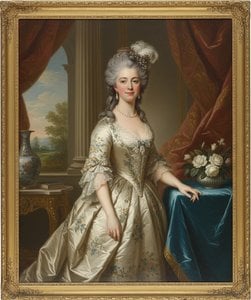
Explore the elegant world of Francis Cotes, pioneer of English pastel painting & celebrated Georgian portraitist. Discover his captivating portraits, artistic techniques, and lasting influence on 18th-century art.
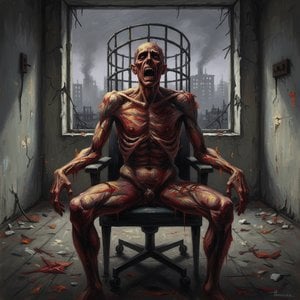
Explore the profound existential anguish of Francis Bacon's art. Discover how trauma shaped his iconic paintings & lasting influence on modern expressionism. A guide for discerning collectors.

Explore the life & work of Sir Francis Grant, a leading Victorian portraitist. Discover his aristocratic clientele, role at the Royal Academy, and enduring artistic legacy. Learn about art patronage in 19th-century Britain.

Explore the captivating world of Francis Sartorius II (1734-1804), a leading British painter renowned for his exquisite equestrian portraits and hunting scenes. Discover his life, techniques & enduring legacy.

 실제 크기로 보기
 보내기
보내기 공유하기
공유하기
 상세 보기
상세 보기 가이드 보기

 이미지 다운로드
 유사 작품 더 보기
 X-레이
X-레이 슬라이드 쇼 보기
 Q&A
Q&A 통계 정보
통계 정보

 상세 보기
상세 보기









 유리 옵션은 110cm 미만 크기에서만 선택 가능합니다.


