A Portrait of Isolation: Examining Francis Bacon’s “Triptych, Left”
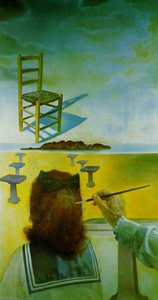
Francis Bacon's "Triptych, Left" stands as a monumental testament to the artist’s unflinching exploration of human vulnerability and psychological torment. Completed in 1977, this unsettling masterpiece transcends mere representation; it plunges viewers into a realm of visceral emotion where form relentlessly pursues feeling. The painting depicts a solitary figure seated on a chair, positioned at an oblique angle—a deliberate compositional choice designed to heighten the sense of unease and detachment. Bacon’s signature style – characterized by jagged lines, distorted forms, and unsettling textures – is powerfully evident here, mirroring the fractured psyche he sought to convey.
- Style: Expressionism – Bacon eschewed traditional academic conventions, prioritizing subjective experience over objective observation.
- Technique: Thickly applied oil paint—Bacon employed a technique known as “dragging,” where pigment is pulled across the canvas surface to create palpable ridges and grooves. This physicality underscores the painting’s emotional intensity.
- Color Palette: Dominated by muted reds, browns, and blacks – These colors contribute to the overall atmosphere of gloom and decay, reflecting themes of mortality and suffering.
The triptych format itself is significant. Traditionally employed in religious contexts, Bacon repurposed this structure to amplify the impact of his subject matter. The three panels work together to create a claustrophobic space, emphasizing the figure’s isolation and trapping him within its confines. The inclusion of umbrellas—one perched precariously on the chair's edge and another resting at the bottom—adds layers of visual complexity. These objects aren’t merely decorative; they symbolize protection against an unseen threat, yet simultaneously underscore the vulnerability inherent in human existence. They represent a futile attempt to shield oneself from the inevitable confrontation with darkness.
Historical Context & Influences
Bacon's work emerged during the postwar period, a time marked by disillusionment and anxiety following the devastation of World War II. He drew inspiration from Surrealism and Freud’s psychoanalytic theories, particularly his concept of the unconscious mind—a preoccupation with repressed desires and anxieties that fueled Bacon’s artistic vision. The painting reflects the broader cultural mood of its era, grappling with questions of identity, trauma, and the human condition in the face of existential dread.
Symbolism & Emotional Resonance
“Triptych, Left” operates on multiple symbolic levels. The seated figure embodies stillness amidst chaos—a paradoxical representation of inner turmoil. Bacon deliberately avoids depicting a recognizable face, furthering this ambiguity and inviting viewers to project their own emotions onto the canvas. The jagged lines and distorted forms serve as visual metaphors for psychological fragmentation, mirroring the fractured state of consciousness. Ultimately, the painting compels us to confront uncomfortable truths about human suffering and mortality—a visceral reminder of our shared vulnerability.
Why Choose a Reproduction?
A high-quality reproduction of “Triptych, Left” allows you to experience Bacon’s masterful technique and profound emotional depth within your own home environment. WahooArt offers meticulously crafted reproductions that faithfully capture the painting's textures and colors, bringing its unsettling beauty into focus. Invest in an artwork that speaks to the soul—a timeless piece of art history destined to inspire contemplation and provoke emotion for generations to come.
질의응답
"Triptych, left"의 제작 기법은 무엇인가요?
프랜시스 베이컨의 "Triptych, left"의 재료는 Acrylic On Canvas입니다. 복제화는 이 기법의 질감을 그대로 구현하는 것을 목표로 합니다.
"Triptych, left"의 색상들이 서로 어떻게 조화를 이루고 있나요?
프랜시스 베이컨의 "Triptych, left"의 색채는 Strong Color Unity 조화를 보여줍니다. 조화란 색상들이 서로 어떻게 어우러지는지를 의미합니다.
프랜시스 베이컨의 "Triptych, left"은(는) 얼마나 잘 알려져 있나요?
프랜시스 베이컨의 "Triptych, left"의 기록된 인기도는 Iconic입니다.