
원하는 크기와 액자로 주문 제작되는, 작가들이 직접 캔버스에 손으로 그린 유화 작품입니다. ( 프린트 판매로 전환 디지털 이미지로 전환)





























작품의 원본 비율을 유지하는 미리 설정된 크기 중에서 선택하세요.

특정 프레임이나 공간에 맞도록 직접 크기를 입력할 수 있습니다. 선택하신 크기가 원본 이미지의 비율과 일치하지 않는 경우, 작품을 자르거나 추가적인 손으로 그린 요소를 사용하여 그림을 확장합니다. 제작 시작 전 승인을 위해 디지털 목업을 보내드립니다.
화면 미리 보기는 실제 자르기 또는 확장을 반영하지 않습니다. 최종 구성은 목업을 통해서만 정확하게 확인하실 수 있습니다.
맞춤 크기 제작도 가능하지만, 원본 비율을 유지하기 위해 사전 정의된 목록에서 크기를 선택하시는 것을 권장합니다.

Three Studies for Self-Portrait,1980, Center Panel
복제본 크기
Francis Bacon's "Three Studies for Self-Portrait," created in 1980, stands as a chilling testament to the artist’s preoccupation with psychological torment and the unsettling realities of human existence. More than just a depiction of his own visage—though undeniably centered on a meticulously rendered face—this painting delves into the depths of consciousness, presenting a fragmented image that embodies the anxieties inherent in confronting oneself.
The artwork belongs to Bacon’s signature style: Surrealism infused with Expressionism. Unlike traditional portraiture aiming for idealized beauty, Bacon deliberately distorted anatomical proportions and employed grotesque imagery – a deliberate rejection of academic conventions—to convey inner turmoil. The central panel showcases a man's face rendered in shades of pink, red, and grey, punctuated by piercing eyes that stare directly out at the viewer. The exaggerated features—a prominent nose, crimson lips—are not merely anatomical inaccuracies but symbolic representations of vulnerability and emotional intensity.
Bacon’s technique involved applying paint thickly onto canvas with palette knives – a method he championed throughout his career – creating textured surfaces that capture the physicality of emotion. He utilized encaustic wax alongside oil paints, layering pigments to achieve remarkable luminosity and depth. This process wasn't merely about replicating appearance; it was about channeling feeling directly onto the canvas, imbuing each brushstroke with palpable urgency.
Created in the aftermath of World War II, “Three Studies for Self-Portrait” reflects the pervasive disillusionment felt by artists grappling with the trauma and moral ambiguities of the era. Bacon’s work aligns with broader artistic explorations into themes of mortality, isolation, and the disintegration of identity—concepts that resonated powerfully during a period marked by profound societal upheaval. The painting's unsettling gaze compels contemplation on the human condition, prompting viewers to confront their own fears and insecurities.
Symbolically, the fragmented face embodies the fractured psyche, mirroring Bacon’s own struggles with mental illness. The colors—pink, red, grey—represent not only physical sensations but also emotional states: vulnerability, rage, despair. Ultimately, “Three Studies for Self-Portrait” transcends mere visual representation; it is an emotionally charged exploration of the human spirit's capacity for suffering and its relentless pursuit of self-awareness.
This artwork continues to captivate audiences today, serving as a poignant reminder that art can illuminate the darkest corners of our inner lives. Its enduring appeal lies in its uncompromising honesty—a refusal to sugarcoat reality—and its ability to provoke profound introspection. Collectors and interior designers alike appreciate its masterful execution and its capacity to evoke visceral responses.


1909 - 1992 , 아일랜드

에곤 시엘레 최고 걸작 25선을 만나보세요. 표현주의 화가 시엘레의 삶과 죽음, 불안을 담은 인물화 작품들을 감상하고 그 의미를 탐구합니다. WahooArt에서 명작 복제본으로 예술적인 공간을 완성하세요. 지금 바로 컬렉션을 확인하세요!

Explore the rich history of self-representation in art, from Renaissance masters to modern innovators. Discover how artists use portraiture to reveal identity, emotion & the depths of the human psyche. Expert insights for collectors.

프랜시스 베이컨의 강렬하고 파격적인 세계로. 현대 미술 거장의 대표작 25선을 만나보세요. 절망, 고독, 인간 존재에 대한 깊은 성찰을 담은 작품들을 감상하고, WahooArt.com에서 최고 품질의 그림 복제본과 인테리어 아이디어를 찾아보세요.
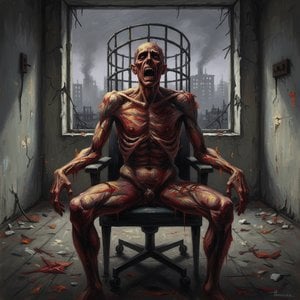
Explore the profound existential anguish of Francis Bacon's art. Discover how trauma shaped his iconic paintings & lasting influence on modern expressionism. A guide for discerning collectors.

Explore the fascinating history of self-portraiture from Renaissance masters like Dürer & Rembrandt to modern interpretations. Discover the psychological insights and artistic techniques behind these iconic works. Expert analysis for art enthusiasts.


 미리보기
미리보기
 공유하기
공유하기 공유하기
공유하기
 상세 정보
상세 정보 Guide
Guide

 다운로드
다운로드
 유사 작품
유사 작품 X-레이
X-레이 슬라이드 쇼
 통계 정보
통계 정보

 더 보기
더 보기









 유리 옵션은 110cm 미만 크기에서만 선택 가능합니다.


![Study For A Portrait [looking Right], — 프랜시스 베이컨, Expressionist Painting](/media/artworks/images-thumb/87/b7/87b70ef44d2bec32f057076c0dd56be2.jpg)


