
빠른 제작과 다양한 마감 옵션을 제공하는 박물관 품질의 지클레이 또는 캔버스 프린트. ( 손으로 그린 그림 구매 디지털 이미지로 전환)





























작품의 원본 비율을 유지하는 미리 설정된 크기 중에서 선택하세요.

특정 프레임이나 공간에 맞춰 직접 치수를 입력하실 수 있습니다. 선택하신 사이즈가 원본 이미지의 비율과 일치하지 않을 경우, 작품을 크롭(자르기)하거나 이미지를 대칭 또는 단색 채우기로 확장하여 제작합니다. 제작 시작 전, 최종 확인을 위해 디지털 목업이 전송됩니다.
화면상의 미리보기는 실제 크롭이나 확장 상태를 반영하지 않으므로, 최종 구도는 오직 목업을 통해서만 정확하게 확인하실 수 있습니다.
맞춤 사이즈 제작도 가능하지만, 원본 비율을 유지하기 위해서는 사전 정의된 목록에서 치수를 선택하시는 것을 권장합니다.

Study of a Dog
복제본 크기
To encounter Francis Bacon’s Study of a Dog is not merely to view a painting, but to undergo a profound psychological encounter. Painted in 1953, this evocative work transcends the boundaries of traditional animal portraiture, serving instead as a haunting meditation on vulnerability and the inescapable shadows of existence. The composition centers on a single dog, its head bowed in a posture of heavy submission, positioned atop a striking crimson carpet. This central figure, though seemingly still, vibrates with an underlying tension that captures the very essence of Bacon’s signature Expressionist style—a deliberate departure from illusionistic beauty in favor of a raw, unfiltered depiction of psychological torment and existential dread.
The technical mastery behind this piece lies in its ability to use texture as a vehicle for emotion. Bacon employed thick impasto strokes, layering oil paint to create a surface that feels physically weighted, almost wounded. The palette is intentionally restrained, dominated by deep reds, earthy browns, and stark whites, which heightens the unsettling atmosphere of the scene. Rather than seeking smooth transitions or classical blending, Bacon built up color in a way that leaves the canvas riddled with cracks and fissures. This technique serves as a visual metaphor for the disintegration of form and the fragility of life itself, making it an extraordinary piece for collectors who appreciate art that possesses both physical depth and intellectual complexity.
The historical context of Study of a Dog is inseparable from its emotional resonance. Created in the aftermath of World War II, the painting breathes the pervasive anxieties of a fractured era. The devastation of the conflict left a global psyche marked by trauma, and Bacon’s work became a visual language for this collective disturbance. In this piece, the dog acts as a potent symbol of innocence confronted by an unseen, brutal force. Its downward gaze suggests a passive acceptance of pain, mirroring the broader human struggle to find meaning in a world characterized by sudden loss and decay.
For the discerning interior designer or art enthusiast, this work offers a commanding presence that demands contemplation. The recurring motif of the crimson carpet provides a dramatic splash of color that can anchor a sophisticated space, while the painting's darker themes provide a layer of narrative gravity. Whether viewed as a study of isolation or a masterpiece of mid-century modernism, Study of a Dog remains an enduring icon of the human condition. It is a piece that does not merely decorate a room; it transforms it, inviting viewers to confront the beautiful, terrifying truth of what it means to exist.


1909 - 1992 , 아일랜드

Immerse yourself in the raw emotion of Egon Schiele. Explore 25 iconic Expressionist masterpieces, from haunting self-portraits to profound sketches. Find museum-quality art reproductions and curated decor inspiration. Discover all masterpieces on WahooArt.com.
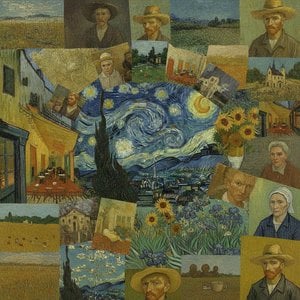
Immerse yourself in the vibrant world of Vincent van Gogh. Explore 25 iconic Post-Impressionist masterpieces, from Starry Night to Sunflowers. Discover the stories and techniques behind these timeless works and find museum-quality art reproductions on WahooArt.com.

Immerse yourself in the vibrant world of Alexej von Jawlensky. Explore 25 iconic Expressionist masterpieces, from emotive portraits to bold colors. Find inspiration for your collection with museum-quality art reproductions at WahooArt.com. Discover all masterpieces online.

Journey through the raw emotion of Expressionism with our curated guide to Edvard Munch's top 25 masterpieces. Explore the stories behind his most iconic works and find museum-quality art reproductions for your collection. Discover all masterpieces on WahooArt.com.

Immerse yourself in the visceral world of Francis Bacon. Explore 25 iconic masterpieces, from distorted figures to haunting portraits. Discover the stories behind these expressionist legends and find museum-quality art reproductions for your collection at WahooArt.com.


 미리보기
미리보기
 공유하기
공유하기 공유하기
공유하기
 상세 정보
상세 정보

 다운로드
다운로드
 유사 작품
유사 작품 X-레이
X-레이 슬라이드 쇼
 통계 정보
통계 정보

 더 보기
더 보기









 유리 옵션은 110cm 미만 크기에서만 선택 가능합니다.


