
빠른 제작과 다양한 마감 옵션을 제공하는 박물관 품질의 지클레이 또는 캔버스 프린트. ( 손으로 그린 그림 구매 디지털 이미지로 전환)





























작품의 원본 비율을 유지하는 미리 설정된 크기 중에서 선택하세요.

특정 프레임이나 공간에 맞춰 직접 치수를 입력하실 수 있습니다. 선택하신 사이즈가 원본 이미지의 비율과 일치하지 않을 경우, 작품을 크롭(자르기)하거나 이미지를 대칭 또는 단색 채우기로 확장하여 제작합니다. 제작 시작 전, 최종 확인을 위해 디지털 목업이 전송됩니다.
화면상의 미리보기는 실제 크롭이나 확장 상태를 반영하지 않으므로, 최종 구도는 오직 목업을 통해서만 정확하게 확인하실 수 있습니다.
맞춤 사이즈 제작도 가능하지만, 원본 비율을 유지하기 위해서는 사전 정의된 목록에서 치수를 선택하시는 것을 권장합니다.

study for self-portrait, 1973 d
복제본 크기
Francis Bacon's 'Study for Self-Portrait, 1973 d' is not merely a depiction of a man; it’s an excavation of the human condition itself. Painted in 1973, this intensely personal work embodies the core tenets of Bacon’s oeuvre – a relentless exploration of pain, isolation, and the grotesque beauty lurking beneath the surface of modern existence. The image presents a figure shrouded in darkness, dominated by the unsettling presence of sunglasses that obscure any potential for empathy or understanding. This deliberate obfuscation is central to the painting's power; it forces the viewer to confront their own anxieties and uncertainties rather than offering easy answers.
The inclusion of the clock around the figure’s neck is particularly significant. It acts as a potent symbol of time, mortality, and the relentless march towards oblivion – themes that recur throughout Bacon's work. The sunglasses themselves can be interpreted as a shield against the world, a desperate attempt to avoid confronting the uncomfortable truths of existence. Bacon was deeply influenced by the anxieties of post-war Britain, a period marked by disillusionment, trauma, and a sense of societal breakdown. This context informs the painting’s overall mood of profound melancholy and existential questioning.
'Study for Self-Portrait, 1973 d' is undeniably a challenging work, one that demands engagement and introspection from its viewer. It’s not a painting to be admired passively; it’s an experience to be felt. Bacon’s ability to translate raw emotion onto canvas has secured his place as one of the most important artists of the 20th century. This particular piece exemplifies his profound understanding of human vulnerability and his willingness to confront the darkest aspects of our shared humanity. Its enduring power lies in its unflinching honesty and its capacity to resonate with viewers across generations.


1909 - 1992 , 아일랜드

Master the nuances of Giclée printing with our expert guide. Discover how pigment-based inks and museum-grade substrates create fade-resistant, high-fidelity art reproductions designed for discerning collectors seeking unparalleled quality and longevity.
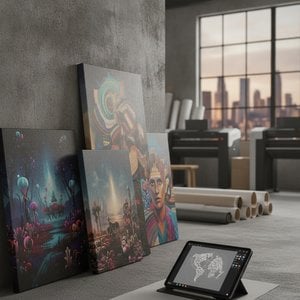
당신의 예술적 영감을 전 세계로 확장하세요. WahooArt는 재고 부담 없는 프리미엄 지클리(Giclée) 프린트 솔루션을 통해 인플루언서와 작가들에게 글로벌 비즈니스 기회를 제공합니다. 박물관급 품질의 파인 아트 프린팅과 투명한 물류 시스템으로 당신의 작품을 시대를 초월한 예술적 유산으로 완성해 드립니다.


 미리보기
미리보기
 공유하기
공유하기 공유하기
공유하기
 상세 정보
상세 정보

 다운로드
다운로드
 유사 작품
유사 작품 X-레이
X-레이 슬라이드 쇼
 통계 정보
통계 정보

 더 보기
더 보기









 유리 옵션은 110cm 미만 크기에서만 선택 가능합니다.


