

작가가 직접 캔버스에 손으로 그린 유화 작품으로, 원하는 크기와 액자로 맞춤 제작해 드립니다. ( 프린트 판매로 전환 디지털 이미지 판매 채널로 전환)





























작품의 원본 비율을 그대로 유지하는 프리셋 사이즈 중에서 선택해 보세요.

특정 프레임이나 공간에 맞춰 원하는 크기를 직접 입력하실 수 있습니다. 선택하신 크기가 원본 이미지의 비율과 일치하지 않을 경우, 작품을 자르거나 추가적인 수작업 요소를 더해 그림을 확장하여 제작합니다. 제작 시작 전, 최종 확인을 위해 디지털 목업을 보내드립니다.
화면상의 미리 보기는 실제 크롭(자르기)이나 확장된 상태를 완벽히 반영하지 않을 수 있습니다. 최종 구도는 오직 목업을 통해서만 정확하게 확인하실 수 있습니다.
맞춤 크기 제작도 가능하지만, 원본의 비율을 그대로 유지하기 위해서는 미리 정의된 목록에서 크기를 선택하시는 것을 권장합니다.

Study for a Portrait 1
복제본 규격
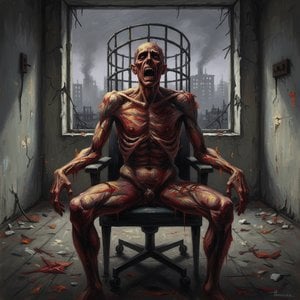
Francis Bacon's "Study for Portrait of Van Gogh III," completed in 1957, stands as a chilling testament to the artist’s preoccupation with psychological torment and the inescapable confrontation with mortality. Unlike his more overtly grotesque depictions—such as “Three Studies After Lucian Freud”—this piece eschews explicit horror for a subtle yet pervasive sense of unease, skillfully borrowing stylistic cues from Vincent van Gogh's expressive brushwork.
Born in Dublin in 1909, Francis Bacon’s artistic journey was marked by instability—a series of relocations fueled by his mother’s illness instilled a profound awareness of displacement. This formative experience profoundly influenced his worldview and subsequently manifested itself in his art. His unconventional upbringing fostered an independent spirit, rejecting formal training and instead absorbing influences from diverse sources like Surrealism and Expressionism.
Notably, Bacon's artistic development was nurtured by Jessie Lightfoot, his nanny who served as a steadfast companion throughout his childhood. Their bond provided solace amidst turbulent circumstances, shaping his emotional landscape and informing his artistic sensibility. Early inclinations toward horse racing and gambling ultimately yielded to the unwavering dedication of painting—a belated commitment that arguably intensified the urgency and visceral intensity of his later works.
The inclusion of a bed behind the figure serves as a potent symbol of vulnerability and confinement, representing the inescapable anxieties inherent in human existence. Similarly, the window offers a glimpse of an external world—a realm of possibility and beauty—yet simultaneously underscores the protagonist’s detachment from it. The scattered books contribute to the atmosphere of intellectual contemplation mingled with despair.
Finally, the presence of a car in the background introduces an element of modernity—a reminder of relentless progress and perhaps hinting at the futility of attempting to escape the inescapable grip of time. Bacon’s masterful manipulation of form and color compels viewers to confront uncomfortable truths about human psychology and the inevitability of suffering.
Francis Bacon (1909-1992) remains a cornerstone of modern art, celebrated for his unflinching exploration of existential themes and his bold expressionism. His work continues to resonate with audiences today, prompting contemplation on the human condition and challenging conventional aesthetic standards.

1909 - 1992 , 아일랜드
Explore the profound existential anguish of Francis Bacon's art. Discover how trauma shaped his iconic paintings & lasting influence on modern expressionism. A guide for discerning collectors.

Master the use of Expressionism in hospitality design. Learn how bold colors and distorted forms create emotional impact in hotel interiors through expert guidance on sourcing high-quality, hand-painted reproductions and large-format custom commissions for professional decorators.

Discover the raw emotion of Symbolic Expressionism. Our expert guide explores how masters like Munch use color and form to convey inner feelings, offering inspiration for collectors looking to bring powerful, soulful art into their modern homes.

뉴욕 MoMA 명작 25선을 만나보세요. 반 고흐, 피카소, 워홀 등 거장들의 예술 세계와 숨겨진 이야기를 담았습니다. 인상주의부터 추상 표현주의까지, WahooArt에서 미술 작품을 감상하고 홈 데코에 영감을 불어넣으세요. 지금 바로 컬렉션을 탐험하세요!

프랜시스 베이컨의 강렬하고 파격적인 세계로. 현대 미술 거장의 대표작 25선을 만나보세요. 절망, 고독, 인간 존재에 대한 깊은 성찰을 담은 작품들을 감상하고, WahooArt.com에서 최고 품질의 그림 복제본과 인테리어 아이디어를 찾아보세요.

 실제 크기로 보기
 보내기
보내기 공유하기
공유하기
 상세 보기
상세 보기 가이드 보기

 이미지 다운로드
 유사 작품 더 보기
 X-레이
X-레이 슬라이드 쇼 보기
 통계 정보
통계 정보
 상세 보기
상세 보기









 유리 옵션은 110cm 미만 크기에서만 선택 가능합니다.


