


빠른 제작과 다양한 마감 옵션을 제공하는 박물관 품질의 지클레이 또는 캔버스 프린트. ( 손으로 그린 그림 구매 이미지 구매)





























작품의 원본 비율을 유지하는 미리 설정된 크기 중에서 선택하세요.

특정 프레임이나 공간에 맞춰 직접 치수를 입력하실 수 있습니다. 선택하신 사이즈가 원본 이미지의 비율과 일치하지 않을 경우, 작품을 크롭(자르기)하거나 이미지를 대칭 또는 단색 채우기로 확장하여 제작합니다. 제작 시작 전, 최종 확인을 위해 디지털 목업이 전송됩니다.
화면상의 미리보기는 실제 크롭이나 확장 상태를 반영하지 않으므로, 최종 구도는 오직 목업을 통해서만 정확하게 확인하실 수 있습니다.
맞춤 사이즈 제작도 가능하지만, 원본 비율을 유지하기 위해서는 사전 정의된 목록에서 치수를 선택하시는 것을 권장합니다.

Reclining Woman
복제본 크기
Francis Bacon's 'Reclining Woman,' painted in 1961, isn’t merely a depiction of a nude figure; it’s a raw and unsettling exploration of the human condition, steeped in the anxieties and emotional turbulence of post-war Britain. This painting, housed within the Tate collection (as documented at Tate), immediately confronts the viewer with a figure rendered in Bacon’s signature distorted style – a deliberate departure from traditional beauty standards and a powerful assertion of psychological truth. The woman, lying supine on what appears to be a couch or bed, occupies almost the entirety of the canvas, her limbs stretched outwards towards the upper right corner, creating an unsettling sense of imbalance and precariousness.
Bacon’s technique is crucial to understanding the painting's impact. He employs oil paint on canvas, utilizing a ‘collage’ approach – layering textures and colors that contribute to the overall feeling of unease. The palette is dominated by earthy tones—ochres, browns, and muted reds—interspersed with jarring bursts of color, particularly in the figure’s face and hands. This deliberate use of contrasting hues amplifies the sense of disorientation and emotional distress. Bacon wasn't interested in replicating reality; instead, he sought to externalize inner turmoil, translating psychological states into visual form. The slightly blurred edges and fragmented forms contribute to this effect, suggesting a state of instability and perhaps even disintegration.
To fully appreciate ‘Reclining Woman,’ it's essential to consider the context of Francis Bacon’s life. Born in Dublin in 1909, his early years were marked by instability and a profound sense of displacement. Frequent moves due to his mother’s illness instilled within him a feeling of rootlessness that would permeate much of his work. This personal history—coupled with a complex relationship with his father and the nurturing influence of his nanny, Jessie Lightfoot—shaped his worldview and fueled his artistic exploration of themes like isolation, fear, and mortality. Bacon's delayed entry into painting, beginning in his late twenties, perhaps intensified the urgency and raw emotion evident in pieces like this one; it suggested a lifetime of suppressed feelings finally finding expression on canvas.
His early fascination with horse racing and gambling hinted at a restless spirit, seeking thrills and escape. However, it was through art that he ultimately found a means to grapple with these internal struggles. Bacon’s work is often interpreted as a reflection of the anxieties and uncertainties of the 20th century – a period defined by war, social upheaval, and existential questioning. ‘Reclining Woman,’ in this light, becomes a potent symbol of vulnerability and the fragility of human existence.
The figure herself is deliberately ambiguous, resisting easy interpretation. Her expression is difficult to discern – a subtle hint of pain or resignation flickers across her face. The position of her limbs, stretched out towards the top right corner, can be read as both surrender and defiance. Some art historians suggest that this posture reflects a desire for release, while others see it as an assertion of control within a chaotic environment. The hands, partially obscured, add to the sense of vulnerability, hinting at a need for comfort or protection.
The couch or bed beneath her suggests a state of rest—or perhaps a prolonged period of inactivity and stagnation. It’s a space of potential recovery, but also one that could represent entrapment. Bacon frequently used reclining figures to explore themes of confinement and the limitations imposed by circumstance. The overall effect is profoundly unsettling, prompting viewers to confront their own anxieties about mortality, isolation, and the nature of human experience.
‘Reclining Woman’ stands as a testament to Francis Bacon's unique artistic vision. His ability to translate psychological states into visceral imagery continues to resonate with audiences today. His influence can be seen in the work of countless artists who have followed in his footsteps, embracing distortion and abstraction to explore the darker corners of the human psyche. Reproductions of this powerful painting offer a remarkable opportunity to engage with Bacon’s legacy—to contemplate the complexities of human emotion and the enduring power of art to confront us with uncomfortable truths.


1909 - 1992 , 아일랜드

프랜시스 베이컨의 강렬하고 파격적인 세계로. 현대 미술 거장의 대표작 25선을 만나보세요. 절망, 고독, 인간 존재에 대한 깊은 성찰을 담은 작품들을 감상하고, WahooArt.com에서 최고 품질의 그림 복제본과 인테리어 아이디어를 찾아보세요.
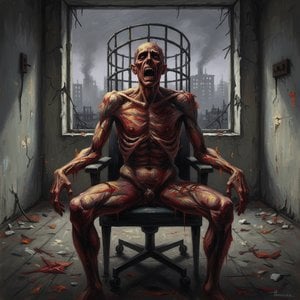
Explore the profound existential anguish of Francis Bacon's art. Discover how trauma shaped his iconic paintings & lasting influence on modern expressionism. A guide for discerning collectors.

Explore 10 Expressionist paintings that revolutionized art! Discover Munch, Kirchner & Kandinsky's iconic works. Find museum-quality reproductions and vibrant canvas prints to elevate your home decor on WahooArt.com.
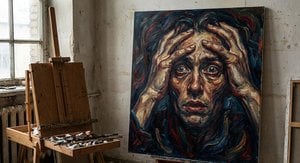
Explore the powerful world of Figurative Expressionism with WahooArt. Discover key artists like Kirchner & Beckmann, understand its emotional depth, and learn how to collect this influential 20th-century art movement.

에곤 시엘레 최고 걸작 25선을 만나보세요. 표현주의 화가 시엘레의 삶과 죽음, 불안을 담은 인물화 작품들을 감상하고 그 의미를 탐구합니다. WahooArt에서 명작 복제본으로 예술적인 공간을 완성하세요. 지금 바로 컬렉션을 확인하세요!


 미리보기
미리보기
 공유하기
공유하기 공유하기
공유하기
 상세 정보
상세 정보

 다운로드
다운로드
 유사 작품
유사 작품 X-레이
X-레이 슬라이드 쇼

 더 보기
더 보기









 유리 옵션은 110cm 미만 크기에서만 선택 가능합니다.


