

이 페이지에 표시된 작품은 저작권법의 보호를 받으며, 이에 따라 동일한 복제품을 제작하거나 판매하는 것은 법으로 금지되어 있습니다. 이러한 권리 보호는 다음과 같은 국제 협약에 따라 시행됩니다. 베른 협약 또한 다음에서 명시하는 법률을 포함한 국내법에 의해 보호됩니다. 미국 저작권법 제17조.
이 방식은 저작권 보호를 받는 예술 작품을 복제하거나 그대로 재현하는 것이 아니기에 저작권 규정을 완벽히 준수합니다. 대신, 이는 창의적인 재해석의 과정을 거칩니다. 즉, 원작에서 영감을 받되 원작과 동일하지 않은 새로운 회화 작품을 의미합니다.
빠른 제작과 다양한 마감 옵션을 선택할 수 있는 박물관 수준의 지클레이 및 캔버스 프린트. ( 수작업 채색 복제본 주문하기 디지털 이미지 판매 채널로 전환)





























작품의 원본 비율을 그대로 유지하는 프리셋 사이즈 중에서 선택해 보세요.

액자나 벽면 크기에 맞춰 필요한 가로와 세로 길이를 입력해 주세요. 프린트는 원본 이미지보다 크게 제작할 수 없으며 오직 자르는 것만 가능하므로, 비율이 다른 사이즈를 선택할 경우 이미지의 일부가 잘려 나갈 수 있습니다. 인쇄 작업에 들어가기 전, 최종 확인을 위해 디지털 목업을 보내드립니다. 이 페이지에 표시된 이미지는 실제 잘리는 영역을 나타내지 않으며, 오직 목업을 통해서만 정확한 확인이 가능합니다.
head vi, 1949
복제본 규격
To stand before Francis Bacon’s Head VI is to witness an unflinching confrontation with the very depths of human experience. Painted in 1949, this unsettling masterpiece serves as a profound window into the psychological disintegration and existential dread that gripped Europe in the wake of World War II. The painting does not merely depict a man; it captures a moment of pure, unadulterated anguish. Through a distorted visage and a mouth frozen in a silent, harrowing scream, Bacon presents a subject caught in the throes of terror. The figure appears hunched and collapsing, a vulnerable soul navigating an airless void, making the artwork an enduring symbol of mortality and the fragility of our existence.
The technical execution of the piece is as visceral as its subject matter. Eschewing traditional meticulous detail, Bacon employed a method he termed the “squeeze technique,” applying paint thickly with his hands or a palette knife to create textured surfaces that seem to pulsate with an unsettling, living energy. This physicality allows the canvas to embody the very torment it portrays. The composition is dominated by a sickly, jaundiced yellow hue, a color choice that acts as a visual metaphor for decay and mental deterioration. Within this chromatic landscape, the figure is often placed within a glass cage-like structure behind curtain-like drapery, creating a suffocating atmosphere where the subject appears trapped by his very surroundings.
The power of Head VI lies in its ability to translate historical trauma into universal symbols. Emerging from a period scarred by the devastation of war and the chilling reality of London's bombing raids, Bacon’s work reflects a broader preoccupation with the loss of certainty. The open mouth, perhaps the painting’s most potent symbol, transcends simple vocalization; it represents repressed emotion and the primal terror of the human condition. This motif finds its roots in the cinematic drama of silent films, where exaggerated expressions were used to convey deep-seated psychological states, yet Bacon strips away the artifice to reveal a raw, terrifying truth.
Furthermore, the artwork draws subtle inspiration from the Old Masters, specifically referencing the work of Diego Velázquez. By reinterpreting elements of classical portraiture through a lens of modern horror, Bacon creates a tension between tradition and iconoclasm. For collectors and lovers of fine art, this piece offers more than mere decoration; it provides a profound emotional resonance. It is an invitation to grapple with the darker recesses of consciousness and to find beauty in the courageous exploration of truth. Whether viewed as a cornerstone of post-war expressionism or a haunting psychological study, Head VI remains a seminal achievement that continues to provoke, disturb, and ultimately illuminate the complexities of being human.
프랜시스 베이컨의 "head vi, 1949"은(는) 여전히 저작권의 보호를 받고 있습니다 상태입니다. 저작권 보호 기간은 작가 사후를 기준으로 산정되며, 프랜시스 베이컨은(는) 1992년에 작고하였습니다.
프랜시스 베이컨의 "head vi, 1949"의 미리보기를 작품의 미리보기 페이지에서 확인하실 수 있습니다.
프랜시스 베이컨의 기록된 주제들인 diego velázquez influence, post-wwii anxiety, existential dread, human mortality themes, part of 1949 series, early signature style 중에서도, "head vi, 1949"은 man, screaming face, purple robe, yellow background, open mouth, distorted face에 독자적인 초점을 맞추고 있습니다.

1909 - 1992 , 아일랜드
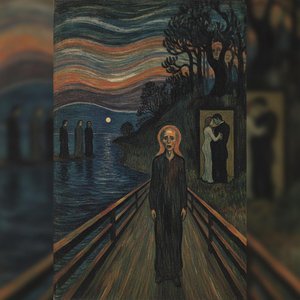
Journey through the raw emotion of Expressionism with our curated guide to Edvard Munch's top 25 masterpieces. Explore the stories behind his most iconic works and find museum-quality art reproductions for your collection. Discover all masterpieces on WahooArt.com.

Immerse yourself in the visceral world of Francis Bacon. Explore 25 iconic masterpieces, from distorted figures to haunting portraits. Discover the stories behind these expressionist legends and find museum-quality art reproductions for your collection at WahooArt.com.

 실제 크기로 보기
 보내기
보내기 공유하기
공유하기
 상세 보기
상세 보기 가이드 보기

 이미지 다운로드
 유사 작품 더 보기
 X-레이
X-레이 슬라이드 쇼 보기
 통계 정보
통계 정보

 상세 보기
상세 보기









 유리 옵션은 110cm 미만 크기에서만 선택 가능합니다.


