
빠른 제작과 다양한 마감 옵션을 제공하는 박물관 품질의 지클레이 또는 캔버스 프린트. ( 손으로 그린 그림 구매 디지털 이미지로 전환)





























작품의 원본 비율을 유지하는 미리 설정된 크기 중에서 선택하세요.

특정 프레임이나 공간에 맞춰 직접 치수를 입력하실 수 있습니다. 선택하신 사이즈가 원본 이미지의 비율과 일치하지 않을 경우, 작품을 크롭(자르기)하거나 이미지를 대칭 또는 단색 채우기로 확장하여 제작합니다. 제작 시작 전, 최종 확인을 위해 디지털 목업이 전송됩니다.
화면상의 미리보기는 실제 크롭이나 확장 상태를 반영하지 않으므로, 최종 구도는 오직 목업을 통해서만 정확하게 확인하실 수 있습니다.
맞춤 사이즈 제작도 가능하지만, 원본 비율을 유지하기 위해서는 사전 정의된 목록에서 치수를 선택하시는 것을 권장합니다.

figures in a garden, 1936
복제본 크기
Francis Bacon's “Figures in a Garden,” painted in 1936, isn’t merely a depiction of a landscape; it’s a visceral plunge into the anxieties and uncertainties simmering beneath the surface of modern society. Born in Dublin and deeply influenced by the turbulent events unfolding across Europe during this period – the rise of fascism, the looming threat of war, and the lingering trauma of World War I – Bacon sought to capture not just what he saw, but how it *felt*. This painting is a prime example of his signature style: a deliberately unsettling blend of Expressionism, Surrealism, and a raw, almost brutal honesty that challenged conventional notions of beauty and representation. The work immediately confronts the viewer with a scene of profound unease – three distorted figures trapped within a claustrophobic space, seemingly imprisoned by an unseen force.
The composition itself is deliberately unbalanced, creating an immediate sense of disorientation. The central figure, rendered with elongated limbs and a vaguely animalistic quality, appears to be struggling within a cage-like structure – not a literal one, but rather a suggestion of confinement, both physical and psychological. To the left lies a reddish-brown form, reminiscent of a dog or perhaps even a distorted human torso, suggesting vulnerability and decay. The background is deliberately blurred, comprised of indistinct trees and foliage that contribute to the overall sense of isolation and unease. Bacon wasn’t interested in creating a realistic representation; instead, he employed distortion as a means of conveying intense emotional states – fear, anxiety, and perhaps even despair. The muted earth tones—greens, browns, and grays—dominate the canvas, punctuated by jarring bursts of red that heighten the sense of tension and impending doom.
Bacon’s technique is characterized by loose, gestural brushstrokes – a deliberate rejection of academic precision. The paint is applied in thick layers, creating a palpable texture that adds depth and physicality to the image. He utilized oil paints on canvas, allowing for rich color saturation and the ability to build up complex forms through layering. Notice how the lines outlining the cage-like structure are more defined than the figures themselves, emphasizing the feeling of entrapment. The artist’s disregard for traditional perspective – flattening the space and creating a sense of immediacy—further contributes to the painting's unsettling effect. It’s as if we’re peering directly into the raw emotions of the subjects, unmediated by any illusion of distance or reality.
“Figures in a Garden” was created during a period of immense social and political upheaval. The rise of totalitarian regimes across Europe cast a long shadow over the art world, prompting artists to grapple with themes of power, control, and human vulnerability. Bacon’s work can be seen as a response to this climate of fear and uncertainty. The painting's symbolism is layered and open to interpretation. The cage represents not just physical confinement but also the psychological constraints imposed by society, tradition, and perhaps even one’s own internal demons. The distorted figures reflect the fragmentation of the human psyche – the sense that we are all trapped within our own minds, struggling to maintain a semblance of sanity in a chaotic world. Considering Bacon's personal life—his unstable childhood and complex relationship with his father—adds another layer of understanding to this powerfully evocative work.


1909 - 1992 , 아일랜드

Explore the rich history of gardens in painting! Discover masterpieces from Renaissance to Impressionism & beyond. Learn about symbolism, artists like Monet & Klimt, and find your perfect artwork at WahooArt.

Explore the rich symbolism of the red dress in art history! From ancient power displays to iconic portraits like Cézanne’s 'Madame Cezanne', discover the cultural and artistic significance behind this captivating color. Expert analysis & insights.
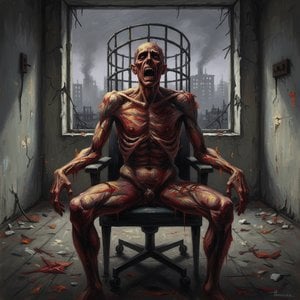
Explore the profound existential anguish of Francis Bacon's art. Discover how trauma shaped his iconic paintings & lasting influence on modern expressionism. A guide for discerning collectors.

마크 로스코 최고작 25선을 만나보세요. 추상 표현주의 거장의 색채로 표현된 심오한 감정과 예술의 세계를 탐험하고, WahooArt에서 명화 복제본과 특별한 인테리어 아이디어를 찾아보세요. 지금 바로 컬렉션을 확인하세요!

프랜시스 베이컨의 강렬하고 파격적인 세계로. 현대 미술 거장의 대표작 25선을 만나보세요. 절망, 고독, 인간 존재에 대한 깊은 성찰을 담은 작품들을 감상하고, WahooArt.com에서 최고 품질의 그림 복제본과 인테리어 아이디어를 찾아보세요.


 미리보기
미리보기
 공유하기
공유하기 공유하기
공유하기
 상세 정보
상세 정보 Guide
Guide

 다운로드
다운로드
 유사 작품
유사 작품 X-레이
X-레이 슬라이드 쇼
 통계 정보
통계 정보

 더 보기
더 보기









 유리 옵션은 110cm 미만 크기에서만 선택 가능합니다.


