빠른 제작과 다양한 마감 옵션을 제공하는 박물관 품질의 지클레이 또는 캔버스 프린트. ( 손으로 그린 그림 구매 디지털 이미지로 전환)





























작품의 원본 비율을 유지하는 미리 설정된 크기 중에서 선택하세요.

특정 프레임이나 공간에 맞춰 직접 치수를 입력하실 수 있습니다. 선택하신 사이즈가 원본 이미지의 비율과 일치하지 않을 경우, 작품을 크롭(자르기)하거나 이미지를 대칭 또는 단색 채우기로 확장하여 제작합니다. 제작 시작 전, 최종 확인을 위해 디지털 목업이 전송됩니다.
화면상의 미리보기는 실제 크롭이나 확장 상태를 반영하지 않으므로, 최종 구도는 오직 목업을 통해서만 정확하게 확인하실 수 있습니다.
맞춤 사이즈 제작도 가능하지만, 원본 비율을 유지하기 위해서는 사전 정의된 목록에서 치수를 선택하시는 것을 권장합니다.

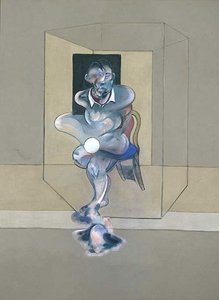
Blood on the Floor,
복제본 크기
Francis Bacon’s *Blood on the Floor*, painted in 1986, is not merely a depiction of a gruesome scene; it's a profoundly unsettling meditation on human suffering and the precariousness of existence. This large-scale oil painting immediately confronts the viewer with a starkly rendered room dominated by a white table stained with what can only be described as blood – a color that simultaneously evokes life, violence, and decay. The two strategically placed lights, one directly above the stain and another further back in the space, amplify the drama, casting harsh shadows that distort the forms and heighten the sense of unease. It’s a scene stripped bare of comfort or reassurance, reflecting Bacon's lifelong preoccupation with themes of isolation, anxiety, and the grotesque.
Created in the twilight years of his career, *Blood on the Floor* exemplifies the culmination of Bacon’s artistic journey. Born in Dublin in 1909, he spent decades grappling with a deeply personal and often turbulent emotional landscape. His early life, marked by instability and a strained relationship with his father, fueled a lifelong fascination with themes of pain and vulnerability. Unlike many artists of his time who sought to represent the world realistically, Bacon deliberately distorted forms, employing a technique that prioritized psychological impact over photographic accuracy. The painting’s raw, almost brutal execution – characterized by thick impasto layers and aggressive brushstrokes – reflects this commitment to conveying inner turmoil rather than external appearances. This was a deliberate rejection of traditional representation, embracing instead a subjective and intensely personal vision.
The symbolism within *Blood on the Floor* is deliberately ambiguous, contributing to its enduring power. The “blood” itself isn’t simply a literal depiction of injury; it represents a deeper, more primal force – perhaps the violence inherent in human nature, or the inevitable decay that awaits all living things. The room, devoid of recognizable objects and rendered with unsettling flatness, functions as a stage for this drama, isolating the figure (implied by the table) within its confines. Bacon frequently employed the grotesque to expose uncomfortable truths about the human condition, and *Blood on the Floor* is arguably one of his most potent examples. The painting’s impact lies in its refusal to offer easy answers or comforting resolutions; it forces us to confront our own anxieties and vulnerabilities.
Bacon's technique in *Blood on the Floor* is characterized by a layered approach, building up thick areas of paint with vigorous brushwork. The use of white as a dominant color intensifies the impact of the red stain, creating a visual vortex that draws the viewer’s eye directly to the center of the composition. Painted in 1986, this work sits firmly within Bacon's late-period output, a time when his explorations of human suffering reached their most intense and uncompromising level. It reflects the broader artistic climate of the mid-20th century, where artists were increasingly challenging traditional notions of beauty and representation, seeking instead to express the darker aspects of the human experience. This painting is a testament to Bacon's mastery of conveying raw emotion through form and color, solidifying his place as one of the most significant figures in 20th-century art.


1909 - 1992 , 아일랜드

Master the nuances of Giclée printing with our expert guide. Discover how pigment-based inks and museum-grade substrates create fade-resistant, high-fidelity art reproductions designed for discerning collectors seeking unparalleled quality and longevity.
당신의 예술적 영감을 전 세계로 확장하세요. WahooArt는 재고 부담 없는 프리미엄 지클리(Giclée) 프린트 솔루션을 통해 인플루언서와 작가들에게 글로벌 비즈니스 기회를 제공합니다. 박물관급 품질의 파인 아트 프린팅과 투명한 물류 시스템으로 당신의 작품을 시대를 초월한 예술적 유산으로 완성해 드립니다.

Discover museum-quality Giclée paper prints at WahooArt. Elevate your space with archival, pigment-based reproductions of the world's greatest masterpieces. Affordable, elegant, and designed for lasting beauty. Start curating your timeless art legacy today.


 미리보기
미리보기
 공유하기
공유하기 공유하기
공유하기
 상세 정보
상세 정보

 다운로드
다운로드
 유사 작품
유사 작품 X-레이
X-레이 슬라이드 쇼
 통계 정보
통계 정보

 더 보기
더 보기









 유리 옵션은 110cm 미만 크기에서만 선택 가능합니다.