
 Ink On PaperEthnographic Drawing
 190019th Century
 61.0 x 43.0 cm
 National Museum of Ethnology
빠른 제작과 다양한 마감 옵션을 제공하는 박물관 품질의 지클레이 또는 캔버스 프린트. ( 손으로 그린 그림 구매 디지털 이미지로 전환)





























작품의 원본 비율을 유지하는 미리 설정된 크기 중에서 선택하세요.

특정 프레임이나 공간에 맞춰 직접 치수를 입력하실 수 있습니다. 선택하신 사이즈가 원본 이미지의 비율과 일치하지 않을 경우, 작품을 크롭(자르기)하거나 이미지를 대칭 또는 단색 채우기로 확장하여 제작합니다. 제작 시작 전, 최종 확인을 위해 디지털 목업이 전송됩니다.
화면상의 미리보기는 실제 크롭이나 확장 상태를 반영하지 않으므로, 최종 구도는 오직 목업을 통해서만 정확하게 확인하실 수 있습니다.
맞춤 사이즈 제작도 가능하지만, 원본 비율을 유지하기 위해서는 사전 정의된 목록에서 치수를 선택하시는 것을 권장합니다.

Ethnographic drawing -
복제본 크기
In the delicate intersection of scientific observation and artistic mastery lies Fernando Barbedo Galhano’s 1900 ethnographic drawing of the ‘gabo.’ This monochrome masterpiece serves as more than a mere illustration; it is a profound window into a vanishing world. The subject, a gourd lute from South America, is captured with such meticulous precision that one can almost feel the organic texture of the dried gourd and the tension of the strings. Rendered in grayscale tones against a soft, cream-colored backdrop, the composition possesses a quiet, meditative stillness. Every line serves a purpose, tracing the contours of this indigenous instrument with a reverence that transcends simple documentation, inviting the viewer to contemplate the rhythmic soul of a culture through the silent medium of pen and ink.
The technique employed by Galhano is a testament to the rigorous discipline of early 20th-century ethnographic illustration. Utilizing fine-point pen and ink, the artist achieves a remarkable sense of depth and three-dimensionality through sophisticated hatching and varying line weights. There is a rhythmic quality to the linework that mimics the very music the gabo was designed to produce. The lighting is soft and diffuse, eschewing dramatic shadows in favor of an even, honest illumination that celebrates the structural integrity of the instrument. This realistic, observational style allows the geometric precision of the neck and strings to harmonize with the organic, rounded forms of the gourd, creating a balanced visual experience that is both intellectually stimulating and aesthetically soothing.
For the discerning collector or interior designer, this piece offers a sophisticated touch of historical elegance. Its neutral palette and fine-line detail make it an incredibly versatile addition to a curated space, capable of anchoring a room with its scholarly weight while blending seamlessly into modern, minimalist, or classical settings. Beyond its decorative value, the drawing carries an emotional resonance—a poignant reminder of our shared human heritage and the importance of preserving cultural artifacts. Owning a reproduction of this work is not merely about acquiring art; it is about hosting a piece of history that celebrates the beauty of human ingenuity and the enduring power of ethnographic storytelling.

갈랴누의 예술적 여정은 포르투에서 거장 아르투르 루레이로의 가르침 아래 시작되었습니다. 이러한 기초 교육은 그의 회화 기술을 연마했을 뿐만 아니라, 포르를 향한 문화적 미묘함에 대한 깊은 애정을 심어주었습니다. 1937년, 1943년, 1946년, 1951년, 그리고 1954년에 열린 살랑 실바 포르토 전시회에 참여하며 그는 포르투갈 예술계 내에서 자신의 존재감을 더욱 공고히 다져나갔습니다.
1948년 반도 민족학 연구소(Centro de Estudos de Etnografia Peninsular)의 일원으로 활동하며, 갈랴누는 호르헤 디아스, 에르네스토 베이가 드 올리베이라, 벤자민 페레이라와 같은 저명한 인물들과 협업했습니다. 이러한 활동은 그의 경력에 있어 중요한 이정표가 되었으며, 그를 당대 최고의 민족학적 일러스트레이터 중 한 명으로 자리매김하게 했습니다. 그의 작품 세계는 다음과 같이 광범위한 주제를 아우르고 있습니다:
갈랴누가 남긴 유산은 그가 살았던 시대를 훨씬 넘어 확장됩니다. 리스본 국립 민족학 박물관의 설립자 중 한 명으로서, 그는 포르투갈의 문화유산을 보존하는 데 중추적인 역할을 수행했습니다. 그의 수천 점에 달하는 드로잉은 포르투갈 문화의 다양한 측면을 기록할 뿐만 아니라, 과거 포르투갈의 식민지들을 들여다볼 수 있는 창 역할을 합니다.
페르난두 바르베두 갈랴누의 삶은 예술과 연구, 그리고 민족학이 어우러진 풍요로운 태피스트리와 같았습니다. 그는 작품을 통해 예술계에 지울 수 없는 흔적을 남겼으며, 그의 뒤를 따르는 이들에게 끊임없는 영감을 주고 있습니다.

1904 - 1995 , 포르투갈
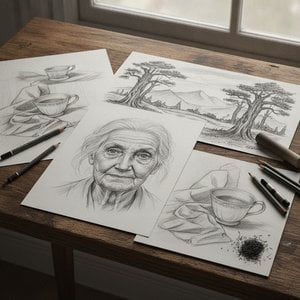
Explore the profound elegance of pencil and charcoal sketching. Discover how masters use line, shadow, and chiaroscuro to capture light and texture, bridging the gap between preparatory studies and timeless fine art masterpieces.

Explore the profound beauty of the sketch. Discover how masters use charcoal and graphite to capture raw emotion, anatomical precision, and fluid movement, bridging the gap between ephemeral marks and eternal oil masterpieces.

Explore the profound artistry of graphite drawing. Discover professional techniques for mastering depth, texture, and detail through a lens of art history, from classical sketches to modern masterpieces. Elevate your understanding of the pencil medium with our expert guide.

Elevate your artistic practice with this expert guide to mastering the line. Discover advanced techniques in graphite, charcoal, and contour drawing designed for art students seeking technical precision and expressive depth in their fine art studies.

Discover the sophisticated mastery of graphite drawing. Explore expert techniques for achieving profound depth, intricate texture, and hyper-realistic detail through the alchemy of carbon, curated for the discerning art enthusiast and professional collector.


 미리보기
미리보기
 공유하기
공유하기 공유하기
공유하기
 상세 정보
상세 정보 Guide
Guide

 다운로드
다운로드
 유사 작품
유사 작품 X-레이
X-레이 슬라이드 쇼
 통계 정보
통계 정보 더 보기
더 보기









 유리 옵션은 110cm 미만 크기에서만 선택 가능합니다.


