

빠른 제작과 다양한 마감 옵션을 선택할 수 있는 박물관 수준의 지클레이 및 캔버스 프린트. ( 수작업 채색 복제본 주문하기 디지털 이미지 판매 채널로 전환)





























작품의 원본 비율을 그대로 유지하는 프리셋 사이즈 중에서 선택해 보세요.

액자나 벽면 크기에 맞춰 필요한 가로와 세로 길이를 입력해 주세요. 프린트는 원본 이미지보다 크게 제작할 수 없으며 오직 자르는 것만 가능하므로, 비율이 다른 사이즈를 선택할 경우 이미지의 일부가 잘려 나갈 수 있습니다. 인쇄 작업에 들어가기 전, 최종 확인을 위해 디지털 목업을 보내드립니다. 이 페이지에 표시된 이미지는 실제 잘리는 영역을 나타내지 않으며, 오직 목업을 통해서만 정확한 확인이 가능합니다.
Three Musicians
복제본 규격
In the pantheon of modernist masterpieces, few works capture the rhythmic pulse of the machine age as vibrantly as Fernand Léger’s “Three Musicians.” Created in 1930, this iconic painting serves as a captivating tableau, presenting three male figures brought together by the shared language of melody. Through their respective instruments—a trombone, a violin, and a guitar—these musicians exist in a state of close proximity, almost embracing one another in a way that suggests an immediate sense of camaraderie and shared artistic purpose. The composition is deliberately flattened and fragmented, inviting the viewer to look past traditional depth and instead engage with the pure, structural essence of the subjects.
The visual experience of the piece is defined by Léger’s signature aesthetic, often referred to as “Tubism.” This unique branch of Cubism moves away from the analytical, shattered planes of Picasso or Braque, opting instead for a celebratory emphasis on cylindrical and geometric forms. The figures are constructed from simplified, almost machine-like components, reflecting Léger’s profound fascination with the modern industrial world. With bold, clearly defined areas of color and a relatively flat application of paint, the work avoids subtle shading in favor of a striking, graphic clarity that feels both ancient and avant-garde.
To gaze upon “Three Musicians” is to witness the spirit of post-war optimism. Created during the interwar period, the painting reflects a time of relative stability and a burgeoning fascination with popular culture. Léger, whose experiences in World War I deeply influenced his view of the world, channeled the energy of the era into an art that celebrated vitality. The musicians themselves act as archetypes of artistic expression, their presence representing a joyful escape and a return to cultural pursuits amidst a rapidly changing landscape. The use of primary colors—red, yellow, and blue—evokes a sense of purity and foundational energy, grounding the complex geometry in a primal, visual strength.
Beyond its surface beauty, the painting is rich with symbolic potential. Some art historians suggest that the three figures may represent different facets of Léger’s own creative process, or perhaps even the intersection of human emotion and mechanical precision. The vibrant yellow background acts as a luminous stage, heightening the energy of the scene and pushing the figures forward into the viewer's space. For the collector or interior designer, this piece offers more than just decoration; it provides a profound statement on humanity’s relationship to technology and our capacity for beauty amidst industrial progress.
For those seeking to infuse a space with intellectual depth and visual dynamism, a high-quality reproduction of “Three Musicians” serves as an unparalleled centerpiece. Its bold geometry and rhythmic composition make it a versatile choice for contemporary settings, capable of anchoring a room with its commanding presence. Whether placed in a curated gallery, a sophisticated study, or a modern living space, the painting’s interplay of color and form provides endless inspiration.
Owning a piece that embodies the Machine Age aesthetic allows one to celebrate the intersection of tradition and innovation. The work remains as relevant today as it was in 1930, offering a timeless window into a period of seismic cultural shift. It is an investment in a legacy of modernism—a symphony of form and feeling that continues to resonate with the energy of life itself.
페르난 레제의 "Three Musicians"과(와) 유사한 작품들은 해당 작품의 유사한 작품 페이지에서 확인하실 수 있습니다.
1930년에 "Three Musicians"이(가) 제작되었을 당시, 1881년에 태어난 페르난 레제의 나이는 49세였습니다.
"Three Musicians"은(는) geometric form, musical instruments, industrial aesthetic, chromatic palette, modern art, tubism style, postwar optimism을(를) 묘사하고 있는 반면, 페르난 레제의 기존 주제들은 industrial form, musical symbolism, geometric abstraction, war optimism, tubist legacy입니다. 이 두 가지를 비교해 보면 해당 작품이 작가의 통상적인 소재와 어떻게 연관되는지 알 수 있습니다.

1881 - 1955 , 프랑스

Explore the profound elegance of De Stijl. Discover how Piet Mondrian and the masters of Neoplasticism utilized geometric harmony and primary colors to redefine modern abstraction. An authoritative guide for the discerning collector seeking timeless, structured beauty.
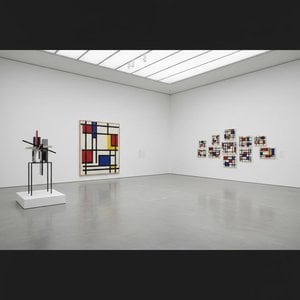
Explore the profound essence of Neoplasticism. Discover how Piet Mondrian and De Stijl masters used pure color and geometric form to redefine modern art. An essential guide for collectors seeking to understand the enduring power of abstract harmony and universal order.

Explore the profound spiritual depth of geometric abstraction. From Malevich's Suprematism to modern masters, our expert guide reveals how pure form and color command presence in fine art collections.

 실제 크기로 보기
 보내기
보내기 공유하기
공유하기
 상세 보기
상세 보기 가이드 보기

 이미지 다운로드
 유사 작품 더 보기
 X-레이
X-레이 슬라이드 쇼 보기
 통계 정보
통계 정보

 상세 보기
상세 보기









 유리 옵션은 110cm 미만 크기에서만 선택 가능합니다.


