원하는 크기와 액자로 주문 제작되는, 작가들이 직접 캔버스에 손으로 그린 유화 작품입니다. ( 프린트 판매로 전환 디지털 이미지로 전환)





























작품의 원본 비율을 유지하는 미리 설정된 크기 중에서 선택하세요.

특정 프레임이나 공간에 맞도록 직접 크기를 입력할 수 있습니다. 선택하신 크기가 원본 이미지의 비율과 일치하지 않는 경우, 작품을 자르거나 추가적인 손으로 그린 요소를 사용하여 그림을 확장합니다. 제작 시작 전 승인을 위해 디지털 목업을 보내드립니다.
화면 미리 보기는 실제 자르기 또는 확장을 반영하지 않습니다. 최종 구성은 목업을 통해서만 정확하게 확인하실 수 있습니다.
맞춤 크기 제작도 가능하지만, 원본 비율을 유지하기 위해 사전 정의된 목록에서 크기를 선택하시는 것을 권장합니다.

'The album ''Circus'''
복제본 크기
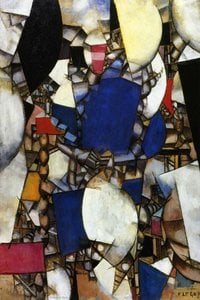
In the vibrant tapestry of twentieth-century modernism, few works capture the rhythmic pulse of life as evocatively as Fernand Léger’s 'The Album “Circus”'. Completed in 1950, this mesmerizing watercolor sketch serves as a window into a world where the boundaries between human vitality and geometric precision dissolve. The scene unfolds with a sense of theatrical wonder, presenting a lively circus gathering that transcends mere spectacle. At its heart, the composition draws the eye to two figures standing in close proximity, their connection anchored by held hands—one crowned with a dark hat and the other in a bright yellow. This intimate moment is set against a backdrop of bustling energy, where characters in bowler and top hats mingle alongside the silent, powerful presence of a horse. It is not merely a depiction of an event; it is a choreographed dance of shapes and souls.
Léger, a master of distilling the complexity of the modern world into its most essential elements, employs a technique that bridges the gap between Purism and a more expressive, almost primal, energy. The artwork is characterized by a masterful use of interlocking geometric forms—circles, squares, and triangles—that create a sense of perpetual motion. His lines do not simply outline figures; they pulsative with the mechanical rhythm of the industrial age. Through meticulous layering and delicate hatching, Léger achieves a texture that feels simultaneously solid and fluid, much like the atmosphere of a circus tent itself. For the discerning collector or interior designer, this piece offers a sophisticated balance of structural strength and whimsical lightness, making it a versatile centerpiece for any contemporary space.
To understand the emotional resonance of 'The Album “Circus”', one must look to the historical landscape of post-war Europe. Emerging from the shadows of World War II, Léger’s work radiates a profound sense of renewal and hope. While many artists of his era retreated into pure abstraction to escape the trauma of conflict, Léger leaned into the visible world, finding beauty in its reconstruction. The circus, as a symbol of ritual, performance, and communal joy, becomes an allegory for a society rebuilding itself. There is an inherent optimism in the way he treats his subjects—not as fragile entities, but as robust, dynamic components of a larger, advancing machine. This connection to the Machine Age aesthetic allows the painting to feel both nostalgic for the tradition of the circus and forward-looking in its embrace of modernity.
For those seeking to infuse their environments with inspiration, this reproduction offers more than just visual appeal; it provides a narrative of resilience. The interplay of bold colors and simplified silhouettes creates an intellectual stimulation that invites long periods of contemplation. Whether placed in a curated gallery setting or as a focal point in a modern living room, the artwork commands attention through its unique ability to marry the mechanical with the human. It is a celebration of progress, a tribute to the enduring power of movement, and a timeless reminder that even in an age of industry, the magic of the spectacle remains an essential part of our collective spirit.

1881 - 1955 , 프랑스

Explore the vibrant world of Fernand Léger. Discover how his 'Tubism' and Machine Age aesthetics redefined modern art, offering profound inspiration for discerning collectors seeking geometric beauty and industrial dynamism.

Discover the ethereal beauty of watercolor through an art-historical lens. Master the delicate balance of light, fluidity, and pigment to capture the luminous essence of nature, inspired by the legendary techniques of the Old Masters and Impressionist greats.


 미리보기
미리보기
 공유하기
공유하기 공유하기
공유하기
 상세 정보
상세 정보

 다운로드
다운로드
 유사 작품
유사 작품 X-레이
X-레이 슬라이드 쇼
 통계 정보
통계 정보

 더 보기
더 보기









 유리 옵션은 110cm 미만 크기에서만 선택 가능합니다.