
빠른 제작과 다양한 마감 옵션을 제공하는 박물관 품질의 지클레이 또는 캔버스 프린트. ( 손으로 그린 그림 구매 디지털 이미지로 전환)





























작품의 원본 비율을 유지하는 미리 설정된 크기 중에서 선택하세요.

특정 프레임이나 공간에 맞춰 직접 치수를 입력하실 수 있습니다. 선택하신 사이즈가 원본 이미지의 비율과 일치하지 않을 경우, 작품을 크롭(자르기)하거나 이미지를 대칭 또는 단색 채우기로 확장하여 제작합니다. 제작 시작 전, 최종 확인을 위해 디지털 목업이 전송됩니다.
화면상의 미리보기는 실제 크롭이나 확장 상태를 반영하지 않으므로, 최종 구도는 오직 목업을 통해서만 정확하게 확인하실 수 있습니다.
맞춤 사이즈 제작도 가능하지만, 원본 비율을 유지하기 위해서는 사전 정의된 목록에서 치수를 선택하시는 것을 권장합니다.

'The album ''Circus''' (22)
복제본 크기
Fernand Léger's "The Album 'Circus'" (1950) stands as an arresting declaration of artistic ambition, capturing the electric anxieties and exhilarating rhythms of a world in transition. This monumental canvas transcends simple representation, immersing the viewer in a meticulously crafted universe where geometric abstraction dances with palpable physicality. In this work, Léger achieves a masterful synthesis of movement and structure, inviting us into a spectacle that is as much about the energy of the machine age as it is about the theatricality of the circus ring. The painting presents a striking scene: a woman in a vibrant purple dress, her form rendered with a raw, elemental grace, riding upon the back of a horse. This central figure, caught in a moment of dynamic tension, serves as the heartbeat of the composition, anchoring the swirling energy of the surrounding figures and fragmented forms.
The visual language of the piece is deeply rooted in the tenets of Futurism, an avant-garde movement that championed speed, technology, and the relentless progress of modern life. Léger breathes new life into these principles by rejecting traditional academic constraints in favor of a fragmented, rhythmic aesthetic. The horse’s torso and limbs are not merely anatomical studies but are instead rendered through starkly contrasting hues and interlocking planes, embodying a sense of kinetic energy that mirrors the pulsating rhythm of a live performance. Through this lens, the circus becomes a metaphor for the modern condition—a place where disparate elements collide, overlap, and create a beautiful, chaotic harmony.
What distinguishes "The Album 'Circus'" is Léger’s ability to marry rigorous geometric precision with a deeply tactile surface. He employs a sophisticated technique of layering, utilizing thick impasto strokes that create palpable ridges and valleys across the canvas. This deliberate texture serves a vital purpose: it counteracts the perceived coldness of pure abstraction, lending the work a sense of "flesh" and immediacy. The interplay of light across these raised surfaces adds a three-dimensional quality to the painting, making the colors appear to vibrate with their own internal light.
The composition is built upon a foundation of angular lines and interlocking shapes that guide the eye through the bustling scene. As we gaze upon the figures positioned near the periphery—elements of a larger, unseen crowd—we feel the scale of the event. For the collector or interior designer, this piece offers a profound sense of depth and movement. It is a work that does not merely sit upon a wall but actively engages with the space around it, projecting a sophisticated energy that can anchor a room with its bold, modernist spirit. To possess a reproduction of this masterpiece is to bring a fragment of the 20th century's most transformative artistic era into one's personal sanctuary.
Beyond its technical brilliance, "The Album 'Circus'" evokes a complex emotional landscape. There is a sense of liberation in the way Léger breaks down form, yet there is also a structured strength that provides comfort and stability. The painting captures the essence of a lively performance—the dust, the tension, the sudden bursts of color, and the shared breath of an audience. It is a celebration of life's dynamism and the beauty found within fragmentation.
For those seeking to curate a collection defined by intellectual depth and visual impact, this work offers unparalleled inspiration. It serves as a conversation piece that bridges the gap between the historical weight of the mid-century avant-garde and the sleek, minimalist aesthetics of contemporary design. Whether placed in a professional gallery setting or a private residence, Léger’s vision remains eternally modern, reminding us that even in a world of mechanical precision, there is an irrepressible, human pulse that refuses to be contained.

1881 - 1955 , 프랑스
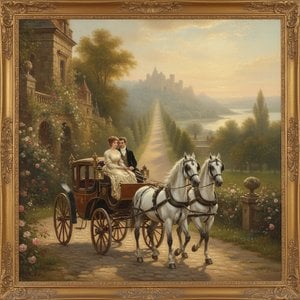
Embark on a visual journey through the romantic world of horse carriage art. Discover the mastery of equestrian oil paintings, from Impressionist textures to classical realism, and learn how to bring timeless elegance into your home with museum-quality reproductions.

Explore the vibrant world of Fernand Léger. Discover how his 'Tubism' and Machine Age aesthetics redefined modern art, offering profound inspiration for discerning collectors seeking geometric beauty and industrial dynamism.

Embark on a journey through the subconscious with our expert guide to Surrealism. Discover the profound symbolism of masters like Dalí and Ernst, exploring how dreamlike imagery reshaped art history and continues to inspire collectors and enthusiasts worldwide.


 미리보기
미리보기
 공유하기
공유하기 공유하기
공유하기
 상세 정보
상세 정보

 다운로드
다운로드
 유사 작품
유사 작품 X-레이
X-레이 슬라이드 쇼
 통계 정보
통계 정보

 더 보기
더 보기









 유리 옵션은 110cm 미만 크기에서만 선택 가능합니다.


