

 Acrylic On CanvasWallArtGeometric Abstraction
 1954
1954 38.0 x 44.0 cm
 Museu do Caramulo
작가가 직접 캔버스에 손으로 그린 유화 작품으로, 원하는 크기와 액자로 맞춤 제작해 드립니다. ( 프린트 판매로 전환 디지털 이미지 판매 채널로 전환)





























작품의 원본 비율을 그대로 유지하는 프리셋 사이즈 중에서 선택해 보세요.

특정 프레임이나 공간에 맞춰 원하는 크기를 직접 입력하실 수 있습니다. 선택하신 크기가 원본 이미지의 비율과 일치하지 않을 경우, 작품을 자르거나 추가적인 수작업 요소를 더해 그림을 확장하여 제작합니다. 제작 시작 전, 최종 확인을 위해 디지털 목업을 보내드립니다.
화면상의 미리 보기는 실제 크롭(자르기)이나 확장된 상태를 완벽히 반영하지 않을 수 있습니다. 최종 구도는 오직 목업을 통해서만 정확하게 확인하실 수 있습니다.
맞춤 크기 제작도 가능하지만, 원본의 비율을 그대로 유지하기 위해서는 미리 정의된 목록에서 크기를 선택하시는 것을 권장합니다.
Study for the
복제본 규격
"Study for the"의 작가는 페르난 레제입니다.
"Study for the"은(는) Acrylic On Canvas 기법을 사용하여 Geometric Abstraction 양식으로 제작되었습니다.
페르난 레제의 "Study for the"은(는) 1954년에 제작되었습니다.
아니요 - 해당 작품은 해외에 보관되어 있습니다. 페르난 레제은(는) 프랑스에서 태어났으며, 원작 "Study for the"은(는) 포르투갈에 있는 미술관에 소장되어 있습니다.
"Study for the"은(는) Joyful 느낌을 전달합니다. 이 정서적 톤은 작품이 주는 인상을 설명합니다.
페르난 레제의 "Study for the"은(는) 전반적인 Modern 분위기 속에서 Joyful한 느낌을 전달합니다.
페르난 레제은(는) 1954년에 "Study for the"을(를) 제작했을 당시 73세였습니다. 이 나이는 작가의 출생 연도인 1881을(를) 기준으로 계산되었습니다.

1881 - 1955 , 프랑스

Explore the profound spiritual depth of geometric abstraction. From Malevich's Suprematism to modern masters, our expert guide reveals how pure form and color command presence in fine art collections.

Explore the vibrant world of Fernand Léger. Discover how his 'Tubism' and Machine Age aesthetics redefined modern art, offering profound inspiration for discerning collectors seeking geometric beauty and industrial dynamism.
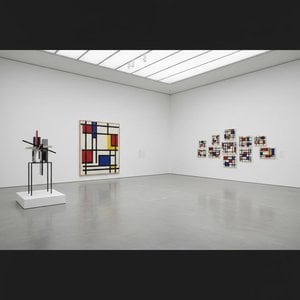
Explore the profound essence of Neoplasticism. Discover how Piet Mondrian and De Stijl masters used pure color and geometric form to redefine modern art. An essential guide for collectors seeking to understand the enduring power of abstract harmony and universal order.

Discover the profound beauty of abstract art. Our expert guide explores geometric abstraction, Op Art, and Expressionism, offering connoisseurs deep insights into collecting and curating powerful, non-representational masterpieces for sophisticated interiors.

Explore the profound evolution of Neo-Abstract art. Discover how bold geometric forms, vibrant chromatic depth, and tactile textures redefine modern expression for the discerning collector seeking sophisticated, high-impact masterpieces for contemporary interiors.

 실제 크기로 보기
 보내기
보내기 공유하기
공유하기
 상세 보기
상세 보기 가이드 보기

 이미지 다운로드
 유사 작품 더 보기
 X-레이
X-레이 슬라이드 쇼 보기
 통계 정보
통계 정보 상세 보기
상세 보기









 유리 옵션은 110cm 미만 크기에서만 선택 가능합니다.


