웹 미리보기 화면을 훨씬 뛰어넘는 인쇄용 파일을 만나보세요. 저희가 판매하는 모든 디지털 이미지는 스톡 데이터베이스 내의 고해상도 마스터 파일(일반적으로 가로 5,000~15,000픽셀)을 기반으로 합니다. 따라서 대형 인쇄나 정밀한 크롭 작업 시에도 세밀한 디테일을 자신 있게 구현할 수 있습니다.
저희 스튜디오를 거치는 모든 파일은 정교한 손길을 거칩니다. 디지털 전문가가 원작과 대조하여 색상을 점검하고 필요 시 보정하며, 전문 리터칭 도구를 사용하여 선명도와 디테일을 높입니다. 이 과정에서 작가의 붓 터치와 화풍을 충실히 유지하는 것을 원칙으로 합니다. 그 결과, 단순한 스캔본에 필터를 입힌 듯한 느낌이 아닌, 마치 실제 회화 작품을 보는 듯한 이미지를 구현해냅니다.
최종 완료 전 확인 단계가 있습니다. 전문가가 검토하실 수 있도록 72시간 이내에 이미지를 이메일로 보내드립니다. 결과물이 만족스럽지 않으신가요? 수정이나 보완을 요청하시거나, 품질이 기대에 미치지 못할 경우 환불을 요청하실 수 있습니다.
출판사, 디자인 스튜디오, 갤러리 및 인쇄소가 신뢰하는 바로 그 품질입니다.
개인 소장 및 전시, 인쇄, 창작 프로젝트를 위한 고해상도 파일을 다운로드하세요. ( 프린트 판매로 전환 수작업 채색 복제본 주문하기)
WahooArt.com를 선택하시면 단순히 이미지를 받는 것을 넘어, 정밀한 보정 과정을 거쳐 완성된 전문적인 디지털 예술 작품을 만나보실 수 있습니다. 모든 주문에는 만족 보장 서비스가 포함되어 있으며, 다음과 같은 사항들이 자동으로 제공됩니다:
주문 후 72시간 이내에 고해상도 디지털 이미지 파일이 이메일로 발송되며, 즉시 사용하실 수 있습니다.
귀하의 작품은 첨단 AI 기술과 정교한 수동 편집 과정을 거쳐 전문적으로 최적화되며, 이를 통해 디테일과 선명도, 색상의 정확도를 극대화합니다.
파일을 실수로 삭제하거나 분실하셨나요? 걱정 마세요. 언제든 무료로 다시 보내드립니다.
관세, 부가세, 배송비 부담 없이 작품을 즉시 소장하세요 - 디지털 다운로드는 언제나 면세 혜택이 적용됩니다.
전문적인 도구와 색상 관리 시스템을 통해 디지털 이미지가 원본의 색상을 최대한 정확하게 구현하도록 보장합니다.
구매하신 디지털 이미지에 만족하지 못하실 경우, 100일 이내에 별도의 조건 없이 수정 또는 100% 환불을 진행해 드립니다.
만족스럽지 않으신가요? 디지털 파일을 받으신 후 100일 이내라면 어떤 이유로든 조건 없이 전액 환불해 드립니다.
이미지 3매 구매 시 10% 할인 - 5매 구매 시 15% 할인 - 10매 이상 구매 시 20% 할인. 크리에이티브 프로젝트, 갤러리, 에이전시에 매우 유용합니다.
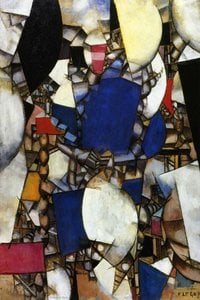
Fernand Léger’s “Self,” painted in 1930, isn't merely a portrait; it’s a distilled essence of the early 20th century – a visual embodiment of the machine age grappling with human identity. This striking pencil drawing, now housed within the Fernand Léger National Museum in Biot, France, offers a profound glimpse into the artist’s evolving style and his fascination with the intersection of form, technology, and the individual. Léger, born Joseph Fernand Henri Léger in 1881 in Argentan, Normandy, began his artistic journey as an architect before embracing painting, profoundly influenced by the radical innovations of Cézanne and the burgeoning currents of Cubism.
The composition immediately commands attention. The subject, a self-portrait, is rendered with a deliberate austerity – a simplification of features that borders on abstraction. Léger strips away extraneous detail, reducing the face to its fundamental geometric components: sharp triangles for the nose and eyes, rectangular planes for the mouth and chin, and a simplified outline of the head itself. This fragmentation isn’t chaotic; rather, it creates a sense of dynamic energy, as if the subject is simultaneously present and dissolving into pure form. The cropped composition, focusing tightly on the upper torso, intensifies this effect, drawing the viewer directly into the artist's gaze – an intense, direct stare that speaks to both confidence and introspection.
“Self” is a quintessential example of Léger’s “Tubism,” a style he developed in the early 1910s. Inspired by the cylindrical forms of industrial machinery, Tubism sought to represent objects – and indeed, human figures – as composed of interlocking cylinders, cones, and cubes. This approach wasn't simply an aesthetic choice; Léger saw it as a way to capture the essence of modern life, dominated by factories, trains, and the relentless march of technology. The angular lines and stark contrasts in tone reflect this mechanical sensibility, creating a visual rhythm that echoes the precision and efficiency of machines.
The use of pencil is crucial here. Léger’s meticulous application of line – often with varying pressure and thickness – imbues the drawing with a remarkable sense of texture and depth. The grainy quality of the graphite suggests a hand-drawn immediacy, contrasting sharply with the stylized forms. This combination of raw material and deliberate construction speaks to Léger's desire to bridge the gap between traditional artistic techniques and the new visual language of modernity.
Beyond its formal qualities, “Self” carries a potent symbolic weight. The direct gaze of the subject is particularly arresting – it’s not a passive portrait but an active engagement with the viewer. This confrontational quality suggests a questioning of identity in a rapidly changing world. Léger himself described his work as reflecting "the crude beauty" of everyday life, and “Self” embodies this sentiment perfectly. The simplification of features can be interpreted as a rejection of idealized representations, suggesting instead a focus on the essential, stripped-down reality of human existence.
Furthermore, the drawing’s monochromatic palette – primarily shades of gray – reinforces its sense of austerity and detachment. It evokes the starkness of industrial landscapes and the impersonal nature of modern life. The lack of color directs attention to the formal elements of the composition, highlighting Léger's mastery of line and form.
Fernand Léger’s “Self” stands as a pivotal work in his oeuvre and a significant contribution to the development of modern art. His exploration of Cubism, combined with his fascination with technology and his unique approach to portraiture, paved the way for subsequent generations of artists – including Pop Art pioneers like Andy Warhol – who sought to integrate the visual language of mass culture into their work. “Self” remains a powerful testament to Léger’s artistic vision and his enduring legacy as one of the most influential figures of the 20th century.
페르낭 레제의 작품 세계에서 "Self"은 cézanne influence, modernity, industrial forms, war experience, mechanical themes, critique, early cubism, geometric abstraction라는 주제와 더불어 Cubism 양식을 보여줍니다.
"Self"은(는) Statement 용도로 추천하며, Living Room 공간에 배치하기 좋습니다.
페르낭 레제의 "Self"은(는) Bold한 분위기 속에서 portrait, self-portrait, cubism, geometric, modernity, figure, charcoal, léger을(를) 묘사합니다. 작품의 주제와 분위기가 어우러져 하나의 완성된 세계를 보여줍니다.

페르난 레제의 이야기는 노르망디 하부 지역의 오른(Orne) 주에 위치한 아쟁탕이라는 작은 마을에서 시작됩니다. 1881년 2월 4일, 외아들로 세상에 태어난 그의 유년 시절은 프랑스 전원 지대의 고요함과 어머니 마리-아델 도누(Marie-Adèle Daunou)의 보살핌 속에서 형성되었습니다. 가축 상인으로 생계를 이어가던 아버지는 페르난이 아주 어린 시절 세상을 떠났고, 아이는 경건하면서도 겸손한 성품을 지닌 어머니의 손에서 자라나게 되었습니다.
노르망디의 농촌 풍경 속에서 보낸 이러한 성장 배경은, 훗날 그가 프랑스 문화의 중심지에서 누리게 될 역동적인 삶과 극명한 대조를 이룹니다. 그의 뿌리는 대지와 농경 생활의 물리적 실체에 닿아 있었지만, 그의 정신은 현대 문명이 지닌 복잡한 이면으로 끊임없이 이끌렸습니다. 결국 그는 아쟁탕의 경계를 훨씬 넘어 다양한 예술적 영역을 개척하는 인물이 되었습니다. 그는 단순히 캔버스라는 틀에 자신을 가두지 않았으며, 조각과 영화라는 움직이는 이미지를 통해 자신의 예술적 비전을 확장하고자 끊임없이 갈구했습니다.
그의 삶은 유년 시절의 유기적인 질감과 도시의 구조적이고 기계적인 리듬 사이를 끊임없이 오가는 여정이었습니다. 변화하는 세기의 격변을 헤쳐 나가는 과정에서 이러한 이중성은 그의 존재를 정의하는 핵심적인 요소가 되었습니다. 그의 행보는 결코 평탄하지 않았습니다. 어린 시절 경험한 전통적인 세계와, 훗날 그의 예술을 통해 정의하게 될 미래의 급격한 산업적 맥동 사이의 팽팽한 긴장감이 그의 삶을 관통하고 있었습니다.
페르난 레제의 예술적 비전은 프랑스 노르망디 하부 지역의 오른(Orne) 주, 아쟁탕의 평온한 농촌 풍경 속에 그 뿌리를 두고 있습니다. 축산업이 중심이던 세상에서 태어난 그의 유년 시절은 대지의 물리적인 질감과 농경 생활의 규칙적인 리듬에 의해 형성되었습니다. 이러한 실재하는 노동의 세계에 대한 경험은 훗날 그가 펼쳐 보일 더욱 복잡하고 심오한 예술적 탐구 아래에 고요한 밑바탕으로 남게 됩니다. 외아들로 태어난 그는 경건하면서도 겸손한 어머니의 보살핌 속에서 성장했으며, 그의 초기 행보는 건축이라는 구조적이고 규율 잡힌 학문으로 향했습니다. 1897년부터 1899년까지 그는 이 기술적인 공예에 전념하며 공간의 논리와 정밀한 제도(製圖)의 필요성을 익혔습니다.
1900년에 이르러 도시가 내뿜는 강렬한 이끌림을 이기지 못한 그는 파리로 이주합니다. 그는 건축 제도사로서 생계를 이어갔는데, 이는 선과 비례를 포착하는 예리한 안목을 요구하는 일이었습니다. 건축을 통해 다져진 구조적 이해는 그의 예술적 토대가 되었지만, 그의 마음은 점차 캔버스를 향해 흐르기 시작했습니다. 그는 명문 에콜 데 보자르(École des Beaux-Arts)에 입학하기를 갈망했으나, 정식 학생으로서의 지위를 얻지는 못했습니다. 하지만 그는 좌절하지 않고 비정규 학생으로서 학교를 다니며, 아카데믹한 예술계의 주변부를 맴돌면서도 거장들의 가르침을 스펀지처럼 흡수했습니다. 때로는 방황의 시기로 묘사되기도 하는 이 학습의 기간은, 훗날 그가 자신만의 시각으로 세상을 해체하고 재구성하는 데 사용할 기술적 숙련도를 연마하는 데 있어 필수적인 과정이었습니다.
1907년, 살롱 도톤느(Salon d'Automne)에서 열린 세잔의 회고전을 마주한 순간, 페르난 레제의 예술 세계에는 거대한 전환점이 찾아왔습니다. 이 강렬한 만남은 촉매제가 되어 그를 유년기의 부드러운 인상주의적 화풍에서 끌어내어, 사물의 구조를 꿰뚫어 보는 보다 근원적인 시각으로 인도했습니다. 그는 이제 사물의 표면 너머를 응시하기 시작했습니다. 대신 세상을 정의하는 근본적인 기하학적 질서를 탐구하기 시작한 것입니다. 1909년에 이르러 파리의 예술적 흐름 속에서 그의 존재감은 더욱 뚜렷해졌습니다. 알렉산드르 아르치펜코, 자크 리피츠, 샤임 수틴, 그리고 로베르 들로네와 같은 거장들과의 교류는 단순한 사교를 넘어, 새로운 사상들이 충돌하며 그의 예술적 비전을 구체화하는 결정적인 계기가 되었습니다.
시간이 흐르며 그는 '황금 비율(Section d'Or)'로도 알려진 퓌토 그룹(Puteaux Group)의 예술적 궤도 안으로 깊숙이 들어갔습니다. 장 메칭거, 앙리 르 파우니에와 함께 활동하며 그는 이 새로운 시각 언어가 지닌 수학적, 구조적 가능성을 끊임없이 탐구했습니다. 그는 단순히 앞선 이들이 닦아놓은 길을 따르는 것에 만족하지 않았습니다. 대신 당대의 미학을 정의하던 파편화된 평면과 중첩된 형태들 사이에서 자신만의 독창적인 길을 개척하고자 분투했습니다. 이러한 치열한 실험의 시간은 1911년 살롱 데 앵데팡당(Salon des indépendants)에서 열린 그의 첫 주요 전시로 이어졌고, 그곳에서 그는 숲속의 누드(Nudes in the Forest)를 선보이며 세상에 자신의 존재를 각인시켰습니다.
제1차 세계 대전의 혼돈은 예술가를 파리의 화실에서 끌어내어 전장의 가혹한 현실 속으로 던져놓았습니다. 1914년부터 1917년까지 프랑스군에서 복무한 페르난 레제는 아르곤 숲에서 2년이라는 고통스러운 시간을 보냈습니다. 이 전쟁은 단순히 그의 삶을 둘러싼 배경에 머물지 않고, 형태를 바라보는 그의 근본적인 지각을 뒤흔든 변혁적인 힘이 되었습니다. 1916년, 겨우 목숨을 건진 머스터드 가스 공격은 그를 회복의 시간으로 몰아넣었고, 그가 회복하는 동안 주변 세계는 산업적 파괴가 지닌 압도적인 힘에 의해 재편되고 있었습니다. 같은 해 짧은 휴가를 얻었을 때조차 그는 붓을 들 수밖에 없었고, 그렇게 파이프를 든 군인을 탄생시켰습니다. 이 작품은 전장을 지배하는 기계의 특성이 인간의 형상에 스며들기 시작한, 새로운 현실의 감각을 포착해 냈습니다.
1917년에 이르러 그의 창조적 정신에는 뚜렷한 변화가 찾아왔으며, 이는 훗날 '기계적 시기'라 불리게 될 예술적 여정의 시작을 알렸습니다. 그는 현대 전쟁과 산업 기술의 도구들 속에서 기묘하고도 리드미컬한 아름다움을 발견했습니다. 매끄러운 원통형의 형태와 정밀한 기계 부품들은 그의 새로운 시각 언어가 되었습니다. 그는 이러한 사물들을 차갑거나 비인격적인 것으로 간주하지 않았습니다. 오히려 그 강인함과 현대적 존재의 혼돈을 질서 있게 조직하는 능력에 매료되었습니다. 전쟁은 초기 작품들이 지녔던 부드러운 경계들을 앗아갔고, 그 자리를 변화하는 시대의 강철과 피스톤을 닮은, 날카롭고 구조적인 명료함으로 채워 넣었습니다.
페르난 레제의 붓질은 마치 산업 현장의 기계처럼 리드미컬하고 정교한 정확성을 띠며, 변화하는 시대의 맥박을 포착해 냈습니다. 그는 과거의 부드럽고 모호한 그림자에서 벗어나, 대신 강건하고 기하학적인 힘을 가진 언어를 통해 화면을 구성하기 시작했습니다. 이러한 시도는 비평가들로부터 "튜브즘(Tubism)"이라 불리는 그만의 독창적인 입체주의 양식을 탄생시켰습니다. 이 스타일 안에서 세상은 원통형, 원뿔형, 그리고 입방체 형태를 통해 재해석되었으며, 이는 견고하면서도 역동적인 부피감을 만들어냈습니다. 그는 단순히 사물을 재현하는 것에 그치지 않고, 사물이 지닌 본질적이고 구조적인 논리를 찾아내고자 했습니다.
그가 선택한 색채는 그 색이 채워진 형태만큼이나 확고하고 대담했습니다. 그는 원색이 주를 이루는 팔레트를 선호했으며, 때때로 강렬한 흑백의 대비를 더해 대상의 날카로운 경계선을 명확히 정의했습니다. 전통적인 환영주의적 기법에 의존하는 대신, 그는 대담하고 평면적인 색면을 통해 물감을 칠해 나갔습니다. 또한 캔버스 위에서 매체의 물리적 존재감을 강조하는 두터운 임파스토(impasto) 기법을 자주 사용하여, 그가 그토록 찬미했던 기계와 도시 구조물의 질감을 작품에 투영했습니다. 이러한 질감 중심의 접근 방식은 그의 작품이 현실에 단단히 뿌리 내린 물질성을 갖게 했으며, 그의 인물들은 종종 매끄럽고 기계적인 형태를 띠며 유기적인 인간의 형상과 현대 시대의 공학적 정밀함 사이의 경계를 허물었습니다.
세계적인 갈등의 거센 파도는 결국 예술가를 파리의 예술적 교류로부터 멀어지게 하여 대서양 너머로 이끌었습니다. 1940년부터 1945년 사이의 미국 생활은 그가 오랫동안 캔버스 위에 옮기고자 애썼던 현대 세계에 대해 전혀 다른 관점을 선사한 시기였습니다. 이 해외 체류 기간은 그의 긴 예술적 진화 과정에서 잠시 숨을 고르는 휴식기이자, 언젠가 다시 돌아갈 프랑스의 토양을 꿈꾸며 거쳐 가는 전환의 순간이었습니다.
고국으로 돌아온 후, 그의 개인적인 삶에도 중대한 변화가 찾아왔습니다. 1952년 2월, 그는 나디아 코다세비치와 결혼하며 삶의 마지막 장을 열었습니다. 이 시기에도 그의 예술적 열정은 멈추지 않았으며, 거대한 규모의 벽화부터 섬세한 스테인드글라스에 이르기까지 다채로운 작품 활동을 이어갔습니다. 세월이 흘러 노년에 접어들었음에도 불구하고, 국제 무대에서 그의 위상은 변함없이 빛났습니다. 1955년, 그는 상파울루 비엔날레에서 대상(Grand Prize)을 수상하며 예술가로서 최고의 영예를 안았는데, 이는 안타깝게도 그가 세상을 떠난 해와 같았습니다. 페르난 레제는 1955년 8월 17일, 프랑스 지프쉬르이베트에서 생을 마감했습니다.
페르난 레제는 당대의 전위적인 예술계를 훨씬 넘어선 깊은 발자취를 남겼습니다. 그는 추상 예술과 구상적 재현 사이의 간극을 메움으로써, 예술가들이 인간이라는 주제를 완전히 포기하지 않으면서도 현대 세계와 소통할 수 있는 새로운 길을 제시했습니다. 그의 접근 방식은 기하학적 구조의 논리와 사람 및 사물이 지닌 인지 가능한 존재감 사이의 대화를 가능하게 했습니다. 순수하게 관념적인 영역과 만질 수 있는 실재 사이에서 중도적인 지점을 찾아낸 이러한 능력은, 이후 등장한 수많은 예술적 흐름의 방향을 형성하는 데 결정적인 역할을 했습니다.
형태를 과감하게 단순화하는 그의 방식과 대량 생산 미학에 대한 매혹은 훗날 팝 아트 운동의 선구자적 역할을 했습니다. 그는 기계 시대의 반복적이고 기능적인 특성 속에서 특유의 아름다움을 발견했으며, 이러한 관점은 이후 새로운 세대의 창작자들에게 깊은 울림을 주었습니다. 로이 리히텐슈타인과 앤디 워홀 같은 예술가들은 대담한 윤곽선과 기계적 이미지를 활용한 그의 실험에서 대중문화에 대한 자신들만의 탐구로 이어지는 명확한 계보를 찾아냈습니다. 그는 자신이 캔버스 위에 옮기고자 노력했던 바로 그 산업적이고 상업적인 요소들을 찬미하게 될 시대의 시각적 언어를 미리 준비시킨 선구자였습니다.
페르난 레제의 예술적 비전이 지닌 실재하는 존재감을 마주하기 위해 우리는 프랑스 남부, 특히 알프스 마리팀 주의 비오(Biot)로 여정을 떠날 수 있습니다. 이곳에는 그의 창조적 산물을 연구하고 보존하는 데 전념하는 공간인 국립 페르난 레제 미술관(Musée national Fernand Léger)이 자리하고 있습니다. 미술관은 과거 예술가 자신이 거주했던 빌라인 마스 생트-앙드레(Mas Saint-André)에 자리 잡고 있습니다. 이 벽면과 주변의 정원 안에서 그의 다채로운 세라믹 조각들은 본래 의도된 환경을 되찾아, 지중해 풍경의 빛과 공간 속에서 그의 형태들이 어떻게 상호작용하는지를 관람객에게 생생하게 보여줍니다.
이 특별한 성소를 넘어, 그의 캔버스와 조각들은 세계 곳곳의 유서 깊은 기관들에 소장되어 있습니다. 프랑스의 예술역사박물관(Musée d'Art et d'Histoire)은 그의 작품들을 꾸준히 관리하며 프랑스 미술사의 거대한 흐름 속에 그의 존재를 각인시키고 있습니다. 이러한 소장품들은 그가 기계 시대의 역동성을 어떻게 정지된, 그러나 맥동하는 시각적 형태로 번역해냈는지를 지속적으로 연구할 수 있게 해줍니다. 그의 독특한 미학을 찾는 여행자들은 다음과 같은 주요 컬렉션에서 그의 흔적을 발견할 수 있습니다.
그의 영향력은 다른 예술가들의 작품 속에서도 여전히 잔향처럼 남아있지만, 그의 손길이 직접 닿은 예술을 목격하는 가장 확실한 방법은 이처럼 확립된 예술의 보고를 찾는 것입니다. 미술관의 정돈된 공간에서 대담한 원통형 형태를 관찰하든, 고요한 정원에서 그의 조각을 마주하든, 관람객은 그의 평생의 업적을 정의했던 구조적 명료함을 동일하게 경험하게 됩니다. 그의 유산은 바로 이 장소들에 닻을 내린 채, 기하학의 진실을 갈구하는 이들을 위해 그의 회화가 지닌 묵직하고 기계적인 리듬을 영원히 간직하고 있습니다.

1881 - 1955 , 프랑스
 미리보기
미리보기
 공유하기
공유하기 공유하기
공유하기
 상세 정보
상세 정보 가이드 보기

 다운로드
다운로드
 유사 작품 더 보기
 X-레이
X-레이 슬라이드 쇼 보기
 질의응답
질의응답
 통계 정보
통계 정보

 더 보기
더 보기