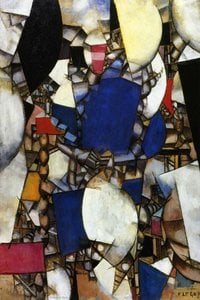
작가가 직접 캔버스에 손으로 그린 유화 작품으로, 원하는 크기와 액자로 맞춤 제작해 드립니다. ( 프린트 판매로 전환 디지털 이미지 판매 채널로 전환)





























작품의 원본 비율을 그대로 유지하는 프리셋 사이즈 중에서 선택해 보세요.

특정 프레임이나 공간에 맞춰 원하는 크기를 직접 입력하실 수 있습니다. 선택하신 크기가 원본 이미지의 비율과 일치하지 않을 경우, 작품을 자르거나 추가적인 수작업 요소를 더해 그림을 확장하여 제작합니다. 제작 시작 전, 최종 확인을 위해 디지털 목업을 보내드립니다.
화면상의 미리 보기는 실제 크롭(자르기)이나 확장된 상태를 완벽히 반영하지 않을 수 있습니다. 최종 구도는 오직 목업을 통해서만 정확하게 확인하실 수 있습니다.
맞춤 크기 제작도 가능하지만, 원본의 비율을 그대로 유지하기 위해서는 미리 정의된 목록에서 크기를 선택하시는 것을 권장합니다.

Landscape2
복제본 규격
To encounter Fernand Léger’s 1913 masterpiece, Landscape, is to witness the precise moment where the pastoral past collided with the industrial future. This work serves as a profound cornerstone of Cubist aesthetics, capturing a world in transition. While the canvas draws its soul from the rolling greenery of rural Normandy—the artist's own formative landscape—it refuses to remain anchored in mere nostalgia. Instead, Léger orchestrates a deliberate reconciliation between the raw, organic beauty of nature and the burgeoning, rhythmic power of the machine age. It is a visual dialogue that speaks to the tension and the eventual harmony found between the earth and the engine.
The painting’s technique is a masterclass in the Cubist language of fragmentation and reconstruction. Rather than offering a window into a realistic scene, Léger utilizes flattened planes and multiple perspectives to deconstruct familiar elements like trees, buildings, and tracks into a dynamic arrangement of geometric forms. His brushwork possesses a tactile, muscular quality; thick impasto strokes lend a physical weight to the pigment, emphasizing the materiality of the paint itself. This approach does not merely depict a scene but engineers a visual experience, where the movement of a train on its tracks is felt through the very rhythm of the composition.
Beyond its striking geometry, Landscape is rich with the symbolic weight of the early twentieth century. Painted during the height of the Belle Époque, the work anticipates the frenetic energy of Futurism and the bold clarity of Pop Art. The inclusion of architectural structures alongside natural elements is far from decorative; it represents Léger’s deep-seated belief in the coexistence of civilization and the wilderness. Within this fractured landscape, a prominent clock emerges as a poignant symbol, acting as a silent sentinel reminding the viewer of time's relentless, mechanical march against the enduring stillness of the trees.
For the discerning collector or interior designer, this piece offers more than just aesthetic appeal; it provides a focal point of intellectual and emotional depth. The painting’s ability to blend the man-made—such as the sleek, moving train and structured buildings—with the organic creates an atmosphere of "mechanized harmony." It is a work that commands attention in any modern space, inviting contemplation on how technology reshapes our perception of the natural world. Whether viewed as a tribute to industrial progress or a study in structural beauty, Léger’s vision remains a vibrant, high-voltage celebration of modern life that continues to inspire awe and curiosity.


1881 - 1955 , 프랑스

Explore the vibrant world of Fernand Léger. Discover how his 'Tubism' and Machine Age aesthetics redefined modern art, offering profound inspiration for discerning collectors seeking geometric beauty and industrial dynamism.

Discover the profound serenity of timeless pastoral landscapes. From Impressionist masterpieces to bespoke oil commissions, explore how curated fine art brings the enduring beauty and tranquility of nature into your luxury home interior.

Explore the profound intersection of industry and artistry. Discover museum-quality reproductions of Machine Age masterpieces by Léger and Rivera, curated for elite collectors seeking to infuse luxury interiors with the powerful, geometric soul of industrial progress.

 실제 크기로 보기
 보내기
보내기 공유하기
공유하기
 상세 보기
상세 보기 가이드 보기

 이미지 다운로드
 유사 작품 더 보기
 X-레이
X-레이 슬라이드 쇼 보기
 통계 정보
통계 정보

 상세 보기
상세 보기









 유리 옵션은 110cm 미만 크기에서만 선택 가능합니다.