

빠른 제작과 다양한 마감 옵션을 선택할 수 있는 박물관 수준의 지클레이 및 캔버스 프린트. ( 수작업 채색 복제본 주문하기 디지털 이미지 판매 채널로 전환)





























작품의 원본 비율을 그대로 유지하는 프리셋 사이즈 중에서 선택해 보세요.

액자나 벽면 크기에 맞춰 필요한 가로와 세로 길이를 입력해 주세요. 프린트는 원본 이미지보다 크게 제작할 수 없으며 오직 자르는 것만 가능하므로, 비율이 다른 사이즈를 선택할 경우 이미지의 일부가 잘려 나갈 수 있습니다. 인쇄 작업에 들어가기 전, 최종 확인을 위해 디지털 목업을 보내드립니다. 이 페이지에 표시된 이미지는 실제 잘리는 영역을 나타내지 않으며, 오직 목업을 통해서만 정확한 확인이 가능합니다.
Ball bearing
복제본 규격
Fernand Léger's 1926 painting, "Ball Bearing," is more than just a still life; it’s a meticulously crafted meditation on the burgeoning relationship between humanity and machinery. Executed during a period of unprecedented industrial growth and technological innovation, the work embodies Léger’s signature style – a vibrant synthesis of Cubism's fragmented forms with an optimistic embrace of the machine age. The painting depicts a seemingly chaotic arrangement of objects within a red box: bottles of varying shapes and sizes, alongside a central oval form, all contributing to a dynamic composition that feels both familiar and strikingly new. Léger’s intention wasn’t simply to represent these items realistically, but rather to explore their inherent geometric qualities and the rhythmic patterns they evoke – echoes of the factories and urban landscapes transforming Europe at the time.
Léger's artistic trajectory was profoundly shaped by his upbringing in rural Normandy, a region deeply connected to agriculture and traditional craftsmanship. This experience provided a crucial counterpoint to the increasingly mechanized world he encountered in Paris. He rejected the prevailing trend of pure abstraction, instead seeking to translate the visual language of machines – their angularity, their repetitive patterns, their inherent energy – into a new artistic vocabulary. “Ball Bearing” exemplifies this approach perfectly. The box itself can be interpreted as a container for these mechanical forms, while the bottles and oval object become stylized representations of industrial components, echoing the rhythmic processes of production.
Historical Context: The painting was created during the interwar period (1918-1939), a time of rapid technological advancement and social upheaval. Léger’s work reflects this era's fascination with industrialization, urbanization, and the changing role of humanity in a world increasingly dominated by machines.Léger employed a distinctive technique characterized by bold brushstrokes, vibrant color application, and a deliberate emphasis on surface texture. The painting’s composition is carefully constructed to create a sense of visual rhythm and movement. The overlapping planes, the varying sizes of the objects, and the strategic placement of light and shadow all contribute to this dynamic effect. Notice how Léger uses repetition – the bottles, for example – not as mere duplication but as elements within a larger, more complex pattern. This technique reflects his belief that art should capture the essence of modern life, with its inherent order and dynamism.
"Ball Bearing" transcends a simple depiction of objects; it’s a symbolic representation of humanity's evolving relationship with technology. The painting evokes a sense of both wonder and apprehension – a recognition of the potential power of machines while simultaneously acknowledging their impact on human experience. Léger’s optimistic vision suggests that this integration of form and function could lead to a new era of harmony, where art and industry coexist in a mutually beneficial relationship. The bold colors and energetic composition imbue the work with a palpable sense of vitality, inviting viewers to contemplate the transformative forces shaping their world.
Industrial 분위기를 자아내는 "Ball bearing"은(는) Living Room에 추천합니다.
"Ball bearing" 작품은 Large 인쇄 크기를 권장합니다. 동일한 비율의 다른 사이즈로도 제작 가능합니다.
"Ball bearing"에서는 Industrial 분위기와 함께 Reflective 감정이 느껴집니다.

1881 - 1955 , 프랑스
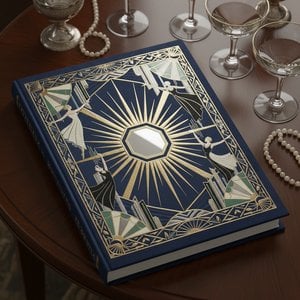
Discover the allure of Art Deco through a curated guide to its most iconic masterpieces. Explore the elegance of Erté and the innovation of Jean Dunand, perfect for collectors seeking timeless glamour and sophisticated design inspiration.

Discover the breathtaking allure of Art Deco. Explore the era's iconic geometry, legendary designers like Erté, and timeless glamour. Perfect for discerning collectors seeking to infuse their spaces with sophisticated modernist elegance and historical prestige.

Master the nuances of Giclée printing with our expert guide. Discover how pigment-based inks and museum-grade substrates create fade-resistant, high-fidelity art reproductions designed for discerning collectors seeking unparalleled quality and longevity.

 실제 크기로 보기
 보내기
보내기 공유하기
공유하기
 상세 보기
상세 보기 가이드 보기

 이미지 다운로드
 유사 작품 더 보기
 X-레이
X-레이 슬라이드 쇼 보기
 통계 정보
통계 정보

 상세 보기
상세 보기









 유리 옵션은 110cm 미만 크기에서만 선택 가능합니다.


