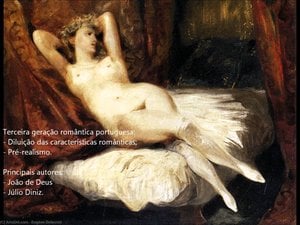
Oil On CanvasWallArtRomanticism
 185219th Century
 33.0 x 25.0 cm




























작품의 원본 비율을 유지하는 미리 설정된 크기 중에서 선택하세요.

특정 프레임이나 공간에 맞도록 직접 크기를 입력할 수 있습니다. 선택하신 크기가 원본 이미지의 비율과 일치하지 않는 경우, 작품을 자르거나 추가적인 손으로 그린 요소를 사용하여 그림을 확장합니다. 제작 시작 전 승인을 위해 디지털 목업을 보내드립니다.
화면 미리 보기는 실제 자르기 또는 확장을 반영하지 않습니다. 최종 구성은 목업을 통해서만 정확하게 확인하실 수 있습니다.
맞춤 크기 제작도 가능하지만, 원본 비율을 유지하기 위해 사전 정의된 목록에서 크기를 선택하시는 것을 권장합니다.

andromeda - -
복제본 크기
In the vast tapestry of the Romantic era, few works capture the raw, pulsating essence of human vulnerability quite like Eugène Delacroix’s Andromeda. Completed in 1852, this oil on canvas is far more than a mere mythological illustration; it is a profound exploration of emotion, individualism, and the sublime power of nature. As one gazes upon this masterpiece, currently held in the esteemed Museum of Fine Arts, Houston, the viewer is immediately transported to a desolate, windswept landscape where the boundaries between physical suffering and celestial longing begin to blur. Delacroix, a titan of the French Romantic school, rejects the cold, calculated precision of Neoclassicism in favor of a more visceral experience, inviting us to feel the very heartbeat of the tragedy unfolding before our eyes.
The subject matter draws deeply from the wellspring of Greek mythology, recounting the harrowing plight of Andromeda, daughter of King Cepheus and Queen Cassiopeia. Chained to a jagged rock as a sacrificial offering to appease the sea god Poseidon, Andromeda stands as a symbol of profound isolation. Yet, within this moment of extreme peril, Delaculate finds a breathtaking beauty. The composition focuses on her nude form, emphasizing a delicate physical fragility that contrasts sharply against the imposing, rugged textures of the rocky shore. It is a narrative of tension—the stillness of the victim set against the implied turbulence of the approaching storm and the divine wrath of the sea.
Technically, Andromeda serves as a masterclass in the signature Delacroix style. The artist utilizes a vibrant, emotive palette where rich reds, deep blues, and lush greens dance across the canvas to create an atmosphere of dynamic movement. Rather than relying on rigid outlines, Delacroix employs loose, expressive brushstrokes that capture the flickering interplay of light and shadow. This use of chiaroscuro—the dramatic contrast between brilliance and obscurity—serves to heighten the emotional stakes, drawing the eye toward the luminous glow of Andromeda’s skin, which seems to radiate a warm, ethereal light amidst the surrounding gloom.
For the discerning collector or interior designer, this piece offers an unparalleled depth of texture and color. The way the light catches the undulating surfaces of the canvas creates a sense of life that is rare in static portraiture. The painting does not merely sit upon the wall; it breathes. The masterful blending of colors ensures that the artwork possesses a multidimensional quality, making it a commanding focal point for any sophisticated space. Whether placed in a gallery-style setting or a curated private study, the work’s ability to evoke both grace and strength provides a continuous source of visual and emotional inspiration.
To possess a reproduction of this caliber is to hold a fragment of art history's most transformative period. Delacroix’s work was revolutionary because it prioritized the feeling of the subject over the mere accuracy of its form. In Andromeda, we see the culmination of his quest to capture the sublime—that overwhelming sense of awe and terror that comes from witnessing nature's grandeur. The painting remains a poignant reminder of the human struggle against fate, rendered with a sensuality and strength that transcends the centuries.
For those seeking to infuse their surroundings with a sense of drama, history, and profound beauty, this depiction of Andromeda stands as an eternal icon. It is a work that invites contemplation, offering a window into a world where myth and emotion are inextricably linked, and where every brushstroke tells a story of survival and splendor.

1798년 파리 근교 샤랑통-생모리스에서 태어난 페르디낭 빅토르 외젠 들라크루아는 단순한 화가를 넘어, 낭만주의 정신을 체현한 인물이었다. 격동적인 사회 변화와 미적 이상이 교차하던 프랑스 미술계에 등장하여, 들라크루아는 신고전주의의 엄격한 형식주의를 거부하고 드라마, 감정, 그리고 회화의 흐름을 영원히 바꿀 생생한 색채를 포용했다. 개인적인 비극으로 점철된 그의 삶은 숭고함을 포착하고, 이국적인 영역을 탐구하며, 인간 경험의 원초적인 힘을 표현하려는 예술적 비전과 불가분의 관계가 되었다.
들라크루아의 어린 시절은 복잡한 가족사와 다소 연약한 건강으로 특징지어졌다. 열여섯 살에 고아가 된 그는 찰스-모리스 드 탈레랑-페리고르라는 영향력 있는 인물의 지도를 받았다. 많은 이들이 그를 자신의 친부로 여겼다. 이러한 관계는 파리 미술계에 대한 중요한 후원과 접근성을 제공했다. 처음에는 존경받는 아카데미 화가인 피에르-나르시스 구랭에게 배웠지만, 테오도르 제리코의 작품—특히 기념비적인 <메두사호의 징벌>—이 그의 예술적 열정을 진정으로 불붙였다. 그는 심지어 제리코를 위해 포즈를 취하며, 선배 화가의 사실주의와 감정 강렬함에 몰입했다.
들라크루아는 1822년 살롱에 <지옥의 단테와 베르길리우스>를 선보이며 미술계에 등장했고, 이는 기존 규범으로부터의 그의 결별을 즉시 알렸다. 단테 알리기에리의 <인페르노>에서 영감을 받은 이 작품은 대담한 색채 사용, 역동적인 구도, 그리고 심리적 불안감으로 주목받았다. 이것은 열정, 갈등, 인간 조건이라는 주제를 탐구하는 데 헌신한 그의 경력의 시작을 알렸다. 처음에는 비평가들의 반응이 엇갈렸지만—일부에서는 그의 독창성을 칭찬했지만, 다른 일부에서는 그의 작품을 혼란스럽고 고전적인 세련됨이 부족하다고 일축했다—들라크루아는 끈기 있게 자신만의 스타일을 발전시켜 느슨한 붓놀림, 풍부한 질감, 그리고 움직임에 대한 강조를 특징으로 했다.
그의 관심사는 역사적이고 문학적인 주제를 넘어 확장되었다. 1832년 북아프리카로의 중요한 여정은 그의 예술적 궤적에 심오한 영향을 미쳤다. 모로코의 활기찬 문화에 몰입하면서, 들라크루아는 이국적인 풍경, 아랍 부족의 유목 생활 방식, 그리고 그들의 전통의 강렬함에 매료되었다. 이러한 경험은 <싸우는 아랍 말>과 알제리 생활에 대한 수많은 연구에서 볼 수 있듯이 그의 그림에 새로운 색채, 빛, 에너지를 불어넣었다. 그는 단순히 이 장면들을 기록한 것이 아니라, 자신의 문화와 극명하게 다른 문화의 근본적인 정신을 이해하려고 노력했다.
들라크루아의 색채에 대한 숙달은 아마도 그의 가장 지속적인 유산일 것이다. 그는 루벤스의 바로크 풍요로움과 베네치아 르네상스 거장들에게서 영감을 받아, 정확한 초안보다 채색 강도를 우선시했다. 그는 색채가 감정을 불러일으키고, 분위기를 조성하고, 선만으로는 할 수 없는 방식으로 의미를 전달할 수 있다는 것을 이해했다. 이러한 혁신적인 접근 방식은 인상주의와 후기 인상주의의 발전을 위한 길을 열었다.
미학적 혁신 외에도 들라크루아는 정치적으로 참여하는 예술가였다. 그의 가장 상징적인 작품인 <민중을 이끄는 자유의 여신>(1830)은 단순히 7월 혁명을 묘사한 것이 아니라, 자유와 반란에 대한 강력한 우화이다. 그림의 역동적인 구도, 알레고리적 인물, 그리고 날 것의 감정적인 힘은 프랑스 국가 정체성의 상징이자 혁명적 이상을 나타내는 예술 역사에서 확고한 위치를 굳혔다. 그것은 단순히 사건을 기록하는 것이 아니라, 자유를 위해 싸우는 한 나라의 정신을 포착하는 것이었다.
들라크루아는 생애 동안 꾸준히 작품 활동을 이어갔으며, 셰익스피어 비극에서 성경 이야기까지 다양한 주제를 탐구했다. 그는 또한 윌리엄 스콧과 요한 볼프강 폰 괴테와 같은 문학 거인의 작품을 삽화로 제작하는 데 중요한 기여를 했다. 그의 작업실은 독특한 접근 방식에 매료된 야심 찬 화가들을 끌어모으는 예술 교류의 중심지가 되었다.
1863년 사망 당시 들라크루아는 프랑스 최고의 예술가 중 한 명으로 확고히 자리 잡았다. 그의 영향력은 낭만주의 운동을 넘어 현대 회화의 발전을 형성하고, 대담한 색채 사용, 역동적인 구도, 그리고 감정 표현에 대한 흔들리지 않는 헌신으로 수많은 예술가들에게 영감을 주었다. 그는 개인적인 비전과 숭고함의 지속적인 매력에 대한 증거인 미술 역사에서 중요한 인물로 남아 있다.

1798 - 1863 , 프랑스
Immerse yourself in the vibrant world of Paul Gauguin. Explore 25 iconic Post-Impressionist masterpieces, from Tahitian landscapes to bold symbolic works. Find inspiration for museum-quality art reproductions and decor. Discover all masterpieces on WahooArt.com.

Journey through legend with our curated selection of 10 iconic mythological masterpieces. From Renaissance classics to epic tales, explore the stories and techniques behind these timeless works. Find museum-quality art reproductions for your decor. Discover all masterpieces on WahooArt.com
Experience the raw emotion and dramatic landscapes of the Romanticism movement. From Delacroix to Friedrich, explore 10 timeless masterpieces that define an era. Find museum-quality reproductions to inspire your decor. Discover all masterpieces on WahooArt.com.

Explore the profound tension between Neoclassicism's rational order and Romanticism's emotional depth. An expert journey through the masters of art history, from David to Delacroix, perfect for collectors and enthusiasts seeking a deeper understanding of artistic evolution.


 미리보기
미리보기
 프린트 구매
 공유하기
공유하기 공유하기
공유하기
 상세 정보
상세 정보

 다운로드
다운로드
 유사 작품
유사 작품 X-레이
X-레이 슬라이드 쇼
 더 보기
더 보기









 유리 옵션은 110cm 미만 크기에서만 선택 가능합니다.