무료 아트 컨설팅

x
작품 구매하기 작품 구매하기이미지 구매하기 이미지 구매하기 공유하기공유하기
상세 정보상세 정보 즐겨찾기에 추가 즐겨찾기에 추가 다운로드다운로드 유사 작품유사 작품 X-레이X-레이 슬라이드 쇼슬라이드 쇼

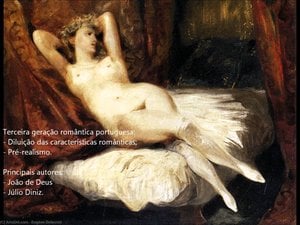
Andromeda

프랑스 낭만주의를 대표하는 외젠 들라크로의 강렬하고 드라마틱한 작품 세계! '민중을 이끄는 자유의 여신' 등 역사적 사건과 신화 속 이야기를 생생하게 담아낸 그림들을 만나보세요. #들라크로 #낭만주의 #프랑스미술

지클레 / 아트 프린트

빠른 제작과 다양한 마감 옵션을 제공하는 박물관 품질의 지클레이 또는 캔버스 프린트.

P118B $10
P118H $10
P118W $10
P438Z $10
P508JH $12
P508YH $12
P805H $10
P805Z $10
P919BZ $10
P919G $10
P919XJ $10
P959ZH $10
P968JZ $12
W106C $8
W218G $10
W218JH $8
W218Y $10
W307PJ $10
W316G $10
W316PJ $8
W316Y $10
W398PJ $8
W4111J $10
W500HY $15
W500JH $15
W692G $12
W849H $8
W940BG $15
W953PJ $8

Standard
custom
CM
INCH

작품의 원본 비율을 유지하는 미리 설정된 크기 중에서 선택하세요.

가로 너비
세로 길이

특정 프레임이나 공간에 맞춰 직접 치수를 입력하실 수 있습니다. 선택하신 사이즈가 원본 이미지의 비율과 일치하지 않을 경우, 작품을 크롭(자르기)하거나 이미지를 대칭 또는 단색 채우기로 확장하여 제작합니다. 제작 시작 전, 최종 확인을 위해 디지털 목업이 전송됩니다.
화면상의 미리보기는 실제 크롭이나 확장 상태를 반영하지 않으므로, 최종 구도는 오직 목업을 통해서만 정확하게 확인하실 수 있습니다.
맞춤 사이즈 제작도 가능하지만, 원본 비율을 유지하기 위해서는 사전 정의된 목록에서 치수를 선택하시는 것을 권장합니다.

전 세계 배송()은 일반적인 4~5주의 소요 기간 대신 2주 이내에 완료됩니다. (5 7월)

why_choose_icon
전 세계 무료 특급 배송
why_choose_icon
프리미엄 린넨 캔버스
why_choose_icon
전체 배송 보험 보장
why_choose_icon
관세 환불 보장
why_choose_icon
실제 색상 일치 보장
why_choose_icon
60일 이내 반품 정책 (제조 결함 시)
why_choose_icon
100% 환불 보장
why_choose_icon
다량 구매 할인 혜택

총 합계 금액

-

reproduction

Andromeda

지클레 / 아트 프린트

복제본 크기

-

최종 결제 금액

-

작품 정보 요약

  • Movement: Romanticism
  • Dimensions: 33 x 25 cm
  • Artist: Eugène Delacroix
  • Subject or theme: Mythological tale
  • Influences:
    • Rubens
    • Venetian Renaissance
  • Location: Museum of Fine Arts, Houston
  • Artistic style: Dramatic lighting, emotion

예술 상식 퀴즈

각 질문의 정답은 하나뿐입니다.

질문 1:
What artistic movement is Eugène Delacroix’s ‘Andromeda’ primarily associated with?
질문 2:
The story of Andromeda depicted in this painting originates from which Greek mythology?
질문 3:
What material is primarily used in the creation of ‘Andromeda’?
질문 4:
Where can one currently view Eugène Delacroix's 'Andromeda'?
질문 5:
Which element is most emphasized in Delacroix’s depiction of Andromeda to convey a sense of introspection?

작품 상세 설명

Delacroix’s “Andromeda”: A Romantic Tapestry of Myth and Emotion

Eugène Delacroix's "Andromeda," painted in 1852, is more than just a depiction of a classical myth; it’s a profound exploration of human vulnerability, celestial longing, and the raw power of Romantic emotion. This oil on canvas, measuring a modest 33 x 25 cm, currently residing within the Museum of Fine Arts, Houston, Texas, immediately captivates with its dramatic lighting and vibrant color palette – hallmarks of Delacroix’s signature style. The painting transports us to a desolate, windswept landscape, dominated by towering mountains that seem to press down upon the central figure, instantly establishing a sense of isolation and impending doom. Delacroix masterfully employs chiaroscuro—the dramatic contrast between light and shadow—to sculpt Andromeda's form, emphasizing her physical vulnerability against the vastness of the heavens. The loose brushstrokes, characteristic of Romanticism, create an almost turbulent surface, mirroring the emotional turmoil within the subject.

The Mythological Narrative: A Tale of Fate and Despair

The story of Andromeda originates from ancient Greek mythology, a poignant tale of divine punishment and heroic intervention. She was chained to a rock as a sacrifice to the monstrous sea serpent Cetus, destined to be devoured unless rescued by Perseus. Delacroix doesn’t simply illustrate this narrative; he imbues it with an intensely personal resonance. Andromeda is not merely a passive victim; she possesses a quiet dignity and a contemplative gaze that suggests resilience rather than despair. Her hands are gracefully positioned behind her back, a gesture of both restraint and a subtle defiance against her fate. The upward tilt of her head, directed towards the unseen stars, speaks to an enduring hope—a yearning for salvation or perhaps simply a connection with something beyond her earthly predicament. The artist deliberately avoids depicting the rescue by Perseus, choosing instead to focus on Andromeda’s internal state and her relationship with the natural world.

Romanticism in Color and Composition: A Symphony of Feeling

“Andromeda” is a quintessential example of Romantic art—a movement that prioritized emotion, imagination, and individualism over classical restraint. Delacroix's use of color is particularly striking. He employs rich, saturated hues – deep blues and purples for the stormy sky, earthy browns and ochres for the rocks – to create a sense of drama and intensity. The light, seemingly emanating from an unseen source, washes over Andromeda’s body, highlighting her form while simultaneously emphasizing her isolation. The composition itself is carefully constructed to draw the viewer into the scene. The diagonal lines created by the mountains and the rocky terrain lead the eye towards Andromeda, creating a sense of movement and drawing us into her world. Furthermore, Delacroix's decision to place her in such a desolate landscape underscores the Romantic fascination with the sublime—the awe-inspiring power and beauty of nature that simultaneously evokes both terror and wonder.

Symbolism and Emotional Resonance: A Portrait of Human Experience

Beyond its mythological subject matter, “Andromeda” operates on a deeper symbolic level. The chained figure represents not only Andromeda’s physical imprisonment but also the broader human condition—the feeling of being trapped by circumstance, fate, or personal struggles. The vastness of the sky and the turbulent landscape serve as metaphors for the uncertainties and challenges of life. Yet, despite her predicament, Andromeda retains a sense of inner strength and serenity. Her gaze suggests an acceptance of her fate, a quiet contemplation of her situation, and perhaps even a glimmer of hope. The painting’s enduring appeal lies in its ability to tap into universal human emotions—longing, vulnerability, resilience, and the search for meaning in a seemingly indifferent universe. It is a testament to Delacroix's skill as an artist and his profound understanding of the human heart.

For more information on Eugène Delacroix and his works, visit /art/list/?Filter=eugène+delacroix,eugène,delacroix.

To explore other paintings by the artist, including Perseus and Andromeda, see /art/list/?Filter=8YDM43-Eugene-Delacroix-Perseus-and-Andromeda.

The Musée Eugène Delacroix in Paris is also a must-visit destination for art enthusiasts, offering a unique glimpse into the life and work of this renowned artist: /art/list/?Filter=A@D3CET9-Discover-the-Musee-Eugene-Delacroix-a-Hidden-Gem-in-Paris.

유사한 작품들


작가 약력

혁명의 붓: 외젠 들라크루아의 삶과 유산

1798년 파리 근교 샤랑통-생모리스에서 태어난 페르디낭 빅토르 외젠 들라크루아는 단순한 화가를 넘어, 낭만주의 정신을 체현한 인물이었다. 격동적인 사회 변화와 미적 이상이 교차하던 프랑스 미술계에 등장하여, 들라크루아는 신고전주의의 엄격한 형식주의를 거부하고 드라마, 감정, 그리고 회화의 흐름을 영원히 바꿀 생생한 색채를 포용했다. 개인적인 비극으로 점철된 그의 삶은 숭고함을 포착하고, 이국적인 영역을 탐구하며, 인간 경험의 원초적인 힘을 표현하려는 예술적 비전과 불가분의 관계가 되었다.

들라크루아의 어린 시절은 복잡한 가족사와 다소 연약한 건강으로 특징지어졌다. 열여섯 살에 고아가 된 그는 찰스-모리스 드 탈레랑-페리고르라는 영향력 있는 인물의 지도를 받았다. 많은 이들이 그를 자신의 친부로 여겼다. 이러한 관계는 파리 미술계에 대한 중요한 후원과 접근성을 제공했다. 처음에는 존경받는 아카데미 화가인 피에르-나르시스 구랭에게 배웠지만, 테오도르 제리코의 작품—특히 기념비적인 <메두사호의 징벌>—이 그의 예술적 열정을 진정으로 불붙였다. 그는 심지어 제리코를 위해 포즈를 취하며, 선배 화가의 사실주의와 감정 강렬함에 몰입했다.

역사적 장면에서 이국적인 비전으로

들라크루아는 1822년 살롱에 <지옥의 단테와 베르길리우스>를 선보이며 미술계에 등장했고, 이는 기존 규범으로부터의 그의 결별을 즉시 알렸다. 단테 알리기에리의 <인페르노>에서 영감을 받은 이 작품은 대담한 색채 사용, 역동적인 구도, 그리고 심리적 불안감으로 주목받았다. 이것은 열정, 갈등, 인간 조건이라는 주제를 탐구하는 데 헌신한 그의 경력의 시작을 알렸다. 처음에는 비평가들의 반응이 엇갈렸지만—일부에서는 그의 독창성을 칭찬했지만, 다른 일부에서는 그의 작품을 혼란스럽고 고전적인 세련됨이 부족하다고 일축했다—들라크루아는 끈기 있게 자신만의 스타일을 발전시켜 느슨한 붓놀림, 풍부한 질감, 그리고 움직임에 대한 강조를 특징으로 했다.

그의 관심사는 역사적이고 문학적인 주제를 넘어 확장되었다. 1832년 북아프리카로의 중요한 여정은 그의 예술적 궤적에 심오한 영향을 미쳤다. 모로코의 활기찬 문화에 몰입하면서, 들라크루아는 이국적인 풍경, 아랍 부족의 유목 생활 방식, 그리고 그들의 전통의 강렬함에 매료되었다. 이러한 경험은 <싸우는 아랍 말>과 알제리 생활에 대한 수많은 연구에서 볼 수 있듯이 그의 그림에 새로운 색채, 빛, 에너지를 불어넣었다. 그는 단순히 이 장면들을 기록한 것이 아니라, 자신의 문화와 극명하게 다른 문화의 근본적인 정신을 이해하려고 노력했다.

색채의 힘과 정치적 참여

들라크루아의 색채에 대한 숙달은 아마도 그의 가장 지속적인 유산일 것이다. 그는 루벤스의 바로크 풍요로움과 베네치아 르네상스 거장들에게서 영감을 받아, 정확한 초안보다 채색 강도를 우선시했다. 그는 색채가 감정을 불러일으키고, 분위기를 조성하고, 선만으로는 할 수 없는 방식으로 의미를 전달할 수 있다는 것을 이해했다. 이러한 혁신적인 접근 방식은 인상주의와 후기 인상주의의 발전을 위한 길을 열었다.

미학적 혁신 외에도 들라크루아는 정치적으로 참여하는 예술가였다. 그의 가장 상징적인 작품인 <민중을 이끄는 자유의 여신>(1830)은 단순히 7월 혁명을 묘사한 것이 아니라, 자유와 반란에 대한 강력한 우화이다. 그림의 역동적인 구도, 알레고리적 인물, 그리고 날 것의 감정적인 힘은 프랑스 국가 정체성의 상징이자 혁명적 이상을 나타내는 예술 역사에서 확고한 위치를 굳혔다. 그것은 단순히 사건을 기록하는 것이 아니라, 자유를 위해 싸우는 한 나라의 정신을 포착하는 것이었다.

지속적인 영향

들라크루아는 생애 동안 꾸준히 작품 활동을 이어갔으며, 셰익스피어 비극에서 성경 이야기까지 다양한 주제를 탐구했다. 그는 또한 윌리엄 스콧과 요한 볼프강 폰 괴테와 같은 문학 거인의 작품을 삽화로 제작하는 데 중요한 기여를 했다. 그의 작업실은 독특한 접근 방식에 매료된 야심 찬 화가들을 끌어모으는 예술 교류의 중심지가 되었다.

1863년 사망 당시 들라크루아는 프랑스 최고의 예술가 중 한 명으로 확고히 자리 잡았다. 그의 영향력은 낭만주의 운동을 넘어 현대 회화의 발전을 형성하고, 대담한 색채 사용, 역동적인 구도, 그리고 감정 표현에 대한 흔들리지 않는 헌신으로 수많은 예술가들에게 영감을 주었다. 그는 개인적인 비전과 숭고함의 지속적인 매력에 대한 증거인 미술 역사에서 중요한 인물로 남아 있다.

외젠 들라크루아

외젠 들라크루아

1798 - 1863 , 프랑스

주요 정보

  • Artistic Movement Or Style: 낭만주의
  • Artists Or Movements Influenced By This Artist:
    • 인상주의
    • 후기 인상주의
  • Artists Who Influenced This Artist:
    • 뤼벤스
    • 베네치아 르네상스 화가들
  • Date Of Birth: 1798년 4월 26일
  • Date Of Death: 1863년 8월 13일
  • Full Name: 외젠 들라크루아
  • Nationality: 프랑스
  • Notable Artworks (List Of Titles):
    • 민중을 이끄는 자유의 여신
    • 사르다나팔루스의 죽음
  • Place Of Birth (City And Country): 프랑스 샤토네이
테마, 스타일 및 특징별로 분류된 작품들을 만나보세요.