Oil On CanvasWallArtExpressionism
 1909Modern
 68.0 x 98.0 cm
빠른 제작과 다양한 마감 옵션을 제공하는 박물관 품질의 지클레이 또는 캔버스 프린트. ( 손으로 그린 그림 구매 이미지 구매)





























작품의 원본 비율을 유지하는 미리 설정된 크기 중에서 선택하세요.

특정 프레임이나 공간에 맞춰 직접 치수를 입력하실 수 있습니다. 선택하신 사이즈가 원본 이미지의 비율과 일치하지 않을 경우, 작품을 크롭(자르기)하거나 이미지를 대칭 또는 단색 채우기로 확장하여 제작합니다. 제작 시작 전, 최종 확인을 위해 디지털 목업이 전송됩니다.
화면상의 미리보기는 실제 크롭이나 확장 상태를 반영하지 않으므로, 최종 구도는 오직 목업을 통해서만 정확하게 확인하실 수 있습니다.
맞춤 사이즈 제작도 가능하지만, 원본 비율을 유지하기 위해서는 사전 정의된 목록에서 치수를 선택하시는 것을 권장합니다.

Schynige plate
복제본 크기
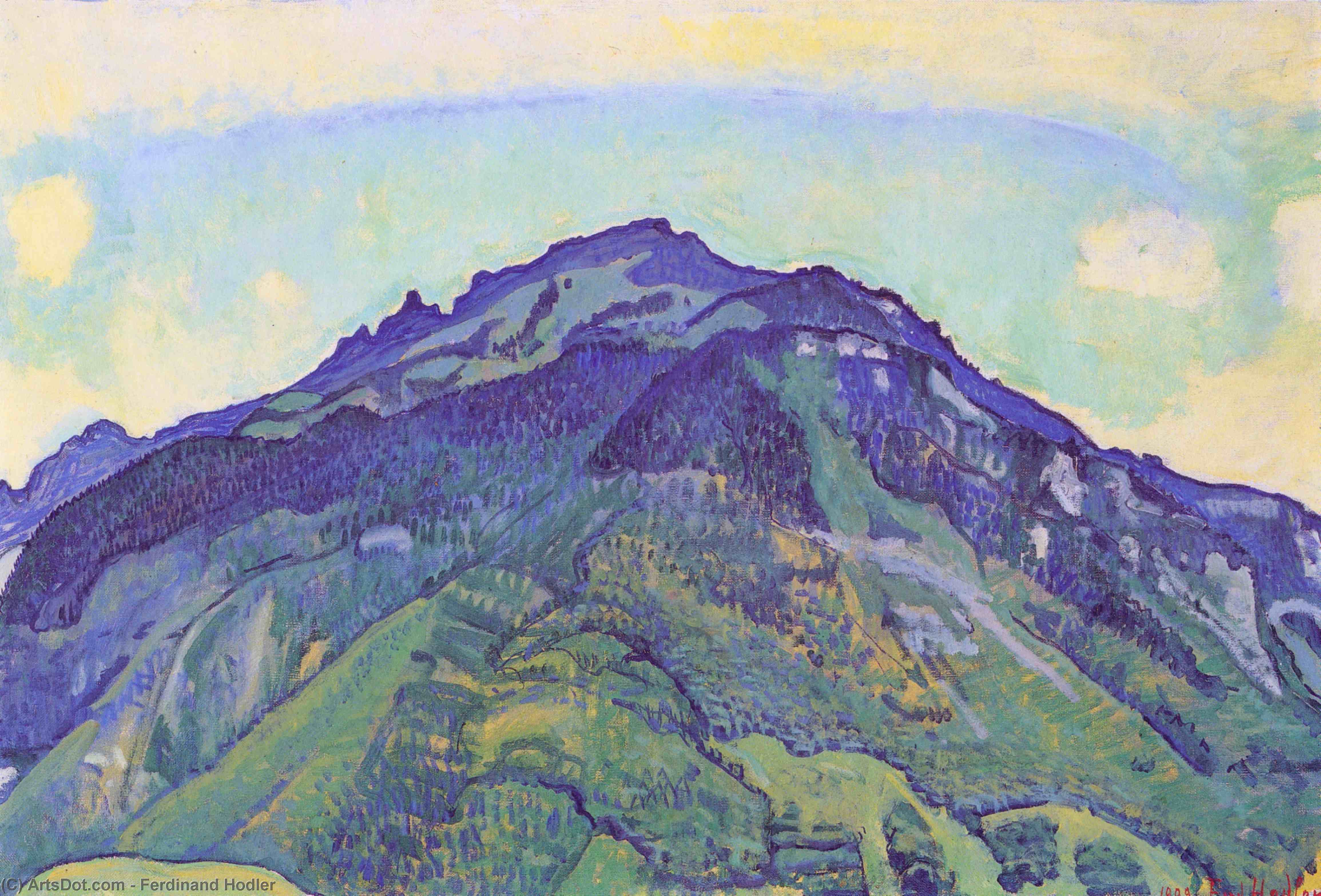
In the heart of the Swiss landscape, where the earth meets the heavens, Ferdinand Hodler captured a moment of profound geological and spiritual grandeur in his 1909 masterpiece, Schynige Plate. This breathtaking oil on canvas is far more than a mere depiction of a mountain range; it is an immersive experience that transports the viewer to the rugged heights of the Alps. The composition is dominated by towering, majestic peaks that pierce a heavy, cloud-swept sky, creating a sense of verticality that commands respect. Through his unique lens, Hodler transforms the familiar topography of Switzerland into a rhythmic dance of shapes and colors, where undulating green hills in the foreground serve as a soft, inviting prelude to the formidable, snow-dusted giants above.
The painting stands as a quintessential example of the transition between Symbolism and Expressionism. Eschewing the photographic precision of traditional realism, Hodler utilizes a technique characterized by flattened perspectives and simplified, almost geometric forms. The mountains are rendered as powerful triangles, while the hills roll in soft, organic curves, creating a visual language that feels both ancient and modern. His use of "parallelism"—a concept Hodler pioneered—is evident in the way repetitive lines and rhythmic patterns move across the canvas, suggesting an underlying order within the wildness of nature. This structural harmony gives the work a monumental stability, making it a captivating focal point for any sophisticated interior.
To touch the surface of Schynige Plate with one's eyes is to feel the palpable energy of the artist's brush. Hodler employed a thick, impasto technique, applying oil paints with a vigor that lends a tactile, sculptural quality to the mountainside. These heavy strokes catch the light, creating subtle shadows and highlights that change as the viewer moves around the piece. The lighting itself is masterfully diffused, evoking the quiet, contemplative atmosphere of an overcast Alpine day. There is no harsh sunlight here; instead, a soft, pervasive glow illuminates the verdant valleys and the misty peaks, lending the scene a dreamlike, almost ethereal quality.
Beyond its physical beauty, the artwork carries a deep emotional and symbolic weight. For Hodler, the landscape was often a mirror for the human condition. The immense scale of the mountains can be interpreted as symbols of resilience, strength, and the eternal, standing in stark contrast to the fleeting nature of human life—a theme deeply rooted in his personal history of loss. There is a profound sense of solitude within the painting, yet it is not a lonely silence; rather, it is a majestic, awe-inspiring stillness that invites introspection. For collectors and designers, this piece offers more than decoration; it provides a window into a world of sublime beauty, making it an ideal acquisition for those looking to infuse their space with a sense of peace, power, and timelessness.


1853 - 1918 , 스위스

Explore the profound emotional depth of Expressionist landscapes. Discover how masters use color, texture, and light to transcend reality, capturing the raw essence of nature through an art-historical lens for the true connoisseur.

Embark on a visual journey through history's most iconic landscapes. Discover the mastery of Impressionism and the sublime power of nature through our expert guide to classical landscape art, curated for the discerning collector and fine art enthusiast.

Explore the profound beauty of village scene art. From Impressionist light to pastoral realism, discover how timeless landscapes capture nostalgia through expert artistry and historical depth. Perfect for collectors seeking evocative, museum-quality landscape inspirations.

 미리보기
미리보기
 공유하기
공유하기 공유하기
공유하기
 상세 정보
상세 정보

 다운로드
다운로드
 유사 작품
유사 작품 X-레이
X-레이 슬라이드 쇼
 더 보기
더 보기









 유리 옵션은 110cm 미만 크기에서만 선택 가능합니다.