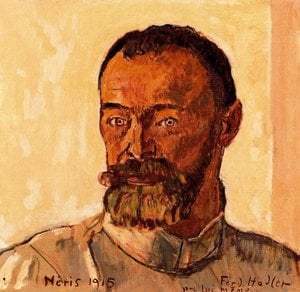
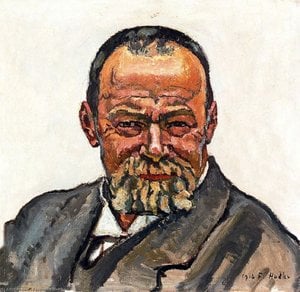
Acrylic On CanvasWallArtSymbolism
 1901
1901 48.0 x 25.0 cm
 보스니아 헤르체고비나 국립 미술관
작가가 직접 캔버스에 손으로 그린 유화 작품으로, 원하는 크기와 액자로 맞춤 제작해 드립니다. ( 프린트 판매로 전환 디지털 이미지 판매 채널로 전환)





























작품의 원본 비율을 그대로 유지하는 프리셋 사이즈 중에서 선택해 보세요.

액자나 벽면 크기에 맞춰 필요한 가로와 세로 길이를 입력해 주세요. 본 작품은 수작업으로 제작되므로, 요청하신 비율에 따라 작가가 그림의 가장자리를 조금 더 넓게 그리거나 일부를 조정하여 작업할 수 있습니다. 작업 시작 전, 최종 확인을 위해 디지털 목업 이미지를 보내드립니다. 이 페이지에 표시된 이미지는 실제 결과물과 다를 수 있으며, 오직 목업 이미지만이 정확한 결과물을 보여줍니다.
Figure study
복제본 규격
Ferdinand Hodler's “Figure Study,” painted in 1901, isn’t merely a sketch; it’s a distilled essence of late 19th-century Swiss Symbolism. Born amidst profound personal loss – the untimely deaths of his father and brothers casting a long shadow over his early life – Hodler channeled these experiences into an artistic language deeply rooted in introspection and the ephemeral nature of existence. This particular work, created during a period of intense creative exploration, exemplifies his signature style: a delicate balance between realism and abstraction, capturing not just the outward appearance but also the underlying emotional state of the subject.
The painting’s genesis lies within Hodler's evolving approach to portraiture. Initially focused on conventional depictions, he began to experiment with a more expressive and symbolic style, moving away from strict realism towards an exploration of inner landscapes. “Figure Study” represents this pivotal shift, demonstrating his growing interest in conveying mood and psychological depth through simplified forms and subtle tonal variations. It’s a preparatory drawing for "The Emotion," suggesting that the final composition was intended to be part of a larger series exploring human feeling.
Hodler's technique in “Figure Study” is characterized by its remarkable fluidity and gestural quality. The pencil lines, rendered with varying pressure and direction, create a sense of movement and immediacy—as if the figure were caught in a fleeting moment of grace. Notice how the loose, almost hesitant strokes define the contours of the body, avoiding overly precise detail. This deliberate lack of finish contributes to the painting’s intimate and personal feel, inviting the viewer into the artist's creative process.
Beyond its technical merits, “Figure Study” is rich in symbolic meaning. The woman’s flowing dress and graceful posture evoke a sense of serenity and timelessness, while her slightly averted gaze suggests introspection and perhaps even melancholy. The painting's connection to "The Emotion" hints at an exploration of the human condition—the interplay between joy and sorrow, life and death. Hodler frequently used themes of loss and mortality in his work, reflecting his own personal experiences and a broader awareness of the fragility of existence.
Consider the figure’s position: poised on the cusp of movement, as if caught mid-stride. This captures a fleeting moment, an instant of being—a reminder that life is constantly in flux. The painting isn't about depicting a specific event but rather conveying a universal feeling, a sense of longing or contemplation.
A hand-painted reproduction of “Figure Study” offers a stunning way to bring the evocative power of this masterpiece into your home. The delicate pencil strokes and subtle tonal variations translate beautifully onto canvas, capturing the essence of Hodler's unique artistic vision. Whether adorning a living room wall or gracing a study, this artwork will serve as a constant source of inspiration—a reminder of the beauty, complexity, and profound emotional depth that lie within the human experience.
"Figure study"의 형식은 Tall입니다. 이는 작품 복제본을 배치할 공간을 계획할 때 유용합니다.
전반적으로 "Figure study"의 밝기는 brilliant로 기록되었습니다. 인지된 밝기는 작품이 얼마나 밝거나 어둡게 보이는지를 나타냅니다.
"Figure study"은(는) Symbolism 사조에 속하며, 작가는 19세기 미술 시대에 활동했습니다.

1853 - 1918 , 스위스

Elevate your artistic practice with this expert guide to mastering the line. Discover advanced techniques in graphite, charcoal, and contour drawing designed for art students seeking technical precision and expressive depth in their fine art studies.

Discover the sophisticated mastery of graphite drawing. Explore expert techniques for achieving profound depth, intricate texture, and hyper-realistic detail through the alchemy of carbon, curated for the discerning art enthusiast and professional collector.

Explore the profound beauty of the sketch. Discover how masters use charcoal and graphite to capture raw emotion, anatomical precision, and fluid movement, bridging the gap between ephemeral marks and eternal oil masterpieces.

Explore the profound artistry of graphite drawing. Discover professional techniques for mastering depth, texture, and detail through a lens of art history, from classical sketches to modern masterpieces. Elevate your understanding of the pencil medium with our expert guide.
Explore the profound elegance of pencil and charcoal sketching. Discover how masters use line, shadow, and chiaroscuro to capture light and texture, bridging the gap between preparatory studies and timeless fine art masterpieces.

 실제 크기로 보기
 보내기
보내기 공유하기
공유하기
 상세 보기
상세 보기 가이드 보기

 이미지 다운로드
 유사 작품 더 보기
 X-레이
X-레이 슬라이드 쇼 보기
 통계 정보
통계 정보 상세 보기
상세 보기









 유리 옵션은 110cm 미만 크기에서만 선택 가능합니다.