Symbolism
 189719th Century
 43.0 x 65.0 cm
작가가 직접 캔버스에 손으로 그린 유화 작품으로, 원하는 크기와 액자로 맞춤 제작해 드립니다. ( 프린트 판매로 전환 디지털 이미지 판매 채널로 전환)





























작품의 원본 비율을 그대로 유지하는 프리셋 사이즈 중에서 선택해 보세요.

특정 프레임이나 공간에 맞춰 원하는 크기를 직접 입력하실 수 있습니다. 선택하신 크기가 원본 이미지의 비율과 일치하지 않을 경우, 작품을 자르거나 추가적인 수작업 요소를 더해 그림을 확장하여 제작합니다. 제작 시작 전, 최종 확인을 위해 디지털 목업을 보내드립니다.
화면상의 미리 보기는 실제 크롭(자르기)이나 확장된 상태를 완벽히 반영하지 않을 수 있습니다. 최종 구도는 오직 목업을 통해서만 정확하게 확인하실 수 있습니다.
맞춤 크기 제작도 가능하지만, 원본의 비율을 그대로 유지하기 위해서는 미리 정의된 목록에서 크기를 선택하시는 것을 권장합니다.

Compositional study to retreat from Marignano
복제본 규격
In the quiet intensity of Ferdinand Hodler’s 1897 work, Compositional study to retreat from Marignano, we find ourselves invited into a profound moment of collective pause. This large-scale composition serves as more than just a preparatory sketch; it is a masterful exploration of human presence and the intricate geometry of social interaction. The scene unfolds with a rhythmic vitality, presenting at least thirteen figures caught in various states of repose, conversation, and contemplation. Some individuals lean into the warmth of dialogue, while others sit in solitary reflection, creating a tapestry of movement that guides the viewer’s eye across the canvas. There is an undeniable sense of weight and permanence to each figure, as if Hodler were not merely capturing a fleeting moment, but etching the very essence of human connection into the fabric of the painting.
The brilliance of this study lies in its dynamic arrangement, where the placement of each body contributes to a larger, harmonious whole. As an expert in the nuances of Symbolist art, one can observe how Hodler utilizes the foreground and background to create depth and narrative tension. Some figures face us with a directness that demands engagement, while others turn away, lost in their own internal worlds. This interplay between the public act of gathering and the private experience of thought creates an atmosphere that is both socially vibrant and deeply introspective. For the discerning collector or interior designer, this piece offers a sophisticated focal point, bringing a sense of intellectual depth and structural elegance to any curated space.
To understand this work, one must look through the lens of Hodler’s pioneering concept of parallelism. This technique, which sought to find rhythmic repetitions in nature and human form, is subtly yet powerfully present in the way the figures are distributed across the composition. The repetition of postures—the curve of a back, the tilt of a head, the angle of a limb—creates a visual cadence that resonates with the natural order. Hodler, deeply influenced by his early experiences with loss and the profound beauty of the Swiss landscape, imbue this social gathering with a sense of cosmic significance. The painting transcends its subject matter, moving beyond a simple depiction of a retreat to become a meditation on the shared human condition.
The technique employed in this 1897 study showcases Hodler’s ability to balance structural rigor with emotional fluidity. The brushwork, while purposeful and defining, allows for a softness that captures the atmospheric quality of the gathering. This duality makes the artwork particularly compelling for those seeking high-quality reproductions; the strength of the composition ensures it commands attention in large formats, while the subtle tonal shifts provide a delicate beauty that complements modern and classical interiors alike. It is an invitation to contemplate the rhythms of life, making it an exquisite addition to any collection dedicated to the profound legacies of the late 19th-century masters.

1853 - 1918 , 스위스

Transform your family's history into a timeless masterpiece. WahooArt specializes in luxury, large-scale custom group portrait commissions for 10+ people. Hand-painted by master artists using traditional oil techniques to create an enduring legacy for your home or organization.
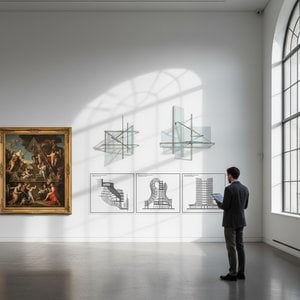
Discover the profound impact of composition on fine art. Explore how masters use geometry, light, and structural harmony to breathe life into masterpieces—an essential guide for discerning collectors seeking depth in every brushstroke.
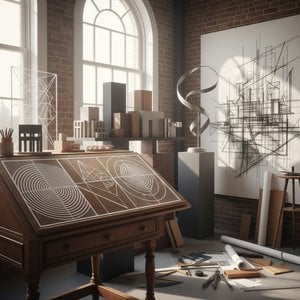
Explore the profound influence of geometry and line in fine art. Discover how structural composition creates visual impact, from Cubist mastery to Op Art precision, and learn to curate sophisticated, mathematically balanced collections for discerning art connoisseurs.

Elevate hospitality interiors with our expert guide on mastering art groupings and multi-panel displays. Discover professional techniques for curating luxurious, layered wall installations that define high-end hotel aesthetics through texture, scale, and bespoke fine art.
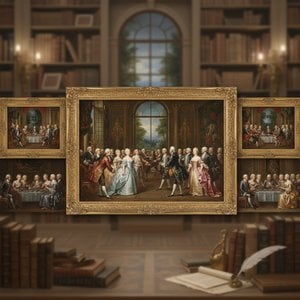
Explore the timeless elegance of formal gatherings through the lens of art history. Discover how master painters captured social grace, status, and atmosphere in iconic group portraits and ballroom scenes.

 실제 크기로 보기
 보내기
보내기 공유하기
공유하기
 상세 보기
상세 보기 가이드 보기

 이미지 다운로드
 유사 작품 더 보기
 X-레이
X-레이 슬라이드 쇼 보기
 통계 정보
통계 정보 상세 보기
상세 보기









 유리 옵션은 110cm 미만 크기에서만 선택 가능합니다.