
x


 Oil On CanvasWallArtBiedermeier Realism
 1859
1859 94.0 x 122.0 cm
 오스트리아 미술관 베르텔레데




























작품의 원본 비율을 유지하는 미리 설정된 크기 중에서 선택하세요.

특정 프레임이나 공간에 맞도록 직접 크기를 입력할 수 있습니다. 선택하신 크기가 원본 이미지의 비율과 일치하지 않는 경우, 작품을 자르거나 추가적인 손으로 그린 요소를 사용하여 그림을 확장합니다. 제작 시작 전 승인을 위해 디지털 목업을 보내드립니다.
화면 미리 보기는 실제 자르기 또는 확장을 반영하지 않습니다. 최종 구성은 목업을 통해서만 정확하게 확인하실 수 있습니다.
맞춤 크기 제작도 가능하지만, 원본 비율을 유지하기 위해 사전 정의된 목록에서 크기를 선택하시는 것을 권장합니다.

The Soup Kitchen
복제본 크기
Ferdinand Georg Waldmüller's "The Soup Kitchen," painted in 1859, isn’t merely a depiction of a charitable institution; it’s a poignant snapshot of Victorian society grappling with poverty and the burgeoning role of public assistance. This oil on canvas, now residing within the Österreichische Galerie Belvedere in Vienna, offers a remarkably intimate glimpse into a world often obscured by grand narratives of progress – a world where simple sustenance was a profound act of compassion.
The scene unfolds within a long, echoing hallway, leading the eye towards an arched doorway that hints at a larger, unseen space. The composition is meticulously structured, drawing us immediately to a central group of women and children patiently awaiting their turn for a meal. Waldmüller’s skill lies not just in his realistic portrayal of these figures – their worn clothing, weathered faces, and expressions ranging from quiet hope to weary resignation – but also in the subtle orchestration of light and shadow. The muted palette, dominated by earthy browns, greys, and ochres, creates a somber yet strangely comforting atmosphere, mirroring the hardships faced by those seeking aid.
“The Soup Kitchen” is firmly rooted in the Biedermeier art movement, a reaction against the grandiosity of Neoclassicism. Biedermeier artists prioritized depicting scenes from everyday life – domestic interiors, landscapes, and portraits of ordinary people – with an emphasis on realism and emotional honesty. Waldmüller masterfully embodies this aesthetic, eschewing dramatic poses or heroic narratives in favor of capturing a quiet moment of shared humanity. The painting’s focus isn't on the act of giving, but rather on the receiving—the dignity and resilience displayed by those who rely on charity.
Notice the details: the worn fabric of the women’s dresses, the small hands clutching bowls, the attentive gazes exchanged between neighbors. These seemingly insignificant elements collectively build a powerful narrative of community and mutual support. The artist's careful attention to texture – the rough wool of the clothing, the smooth surface of the tables – further grounds the scene in tangible reality.
Waldmüller’s technical prowess is evident throughout the painting. He employs a meticulous approach to rendering form and light, utilizing subtle gradations of color to create a sense of depth and volume. The long hallway, with its receding perspective, draws the viewer into the scene, while the arched doorway offers a tantalizing glimpse beyond – perhaps symbolizing hope or the promise of a brighter future.
The composition is carefully balanced, with the central group of figures anchoring the scene and the background elements providing context. The use of horizontal lines—the hallway floor, the tables—creates a sense of stability, while the verticality of the doorway suggests aspiration. Waldmüller’s ability to capture both the physical details and the emotional nuances of his subjects is truly remarkable.
“The Soup Kitchen” isn't simply a record of poverty; it’s a commentary on the social conditions of 19th-century Vienna. The rise of industrialization and urbanization had led to widespread unemployment and poverty, creating a significant need for charitable institutions like soup kitchens. These spaces offered not just food but also a sense of community and dignity to those who were marginalized by society.
Interestingly, Waldmüller’s work resonates with the style of Hans Makart, another prominent Austrian painter known for his dramatic landscapes and portraits. However, while Makart often depicted heroic figures and grand scenes, Waldmüller focuses on the quiet dignity of everyday life—a subtle yet powerful shift in artistic perspective. The painting serves as a poignant reminder of the social challenges faced by Victorian society and the importance of compassion and empathy.
High-quality reproductions of “The Soup Kitchen” are available through WahooArt.com, allowing art enthusiasts to bring this evocative masterpiece into their homes and connect with its powerful message. The original resides at the Österreichische Galerie Belvedere in Vienna, a testament to Waldmüller’s enduring legacy.


1793 - 1865 , 오스트리아

Discover the profound allure of oil on canvas. Explore the mastery of impasto textures, the science of pigment longevity, and expert guides to selecting museum-quality reproductions that elevate your collection with timeless elegance and tactile depth.

Discover the refined elegance of Biedermeier style. Explore how this 19th-century movement blended simplicity with comfort, shaping the art and design of the middle class through Romanticism and functional beauty. An expert guide for classic art enthusiasts.
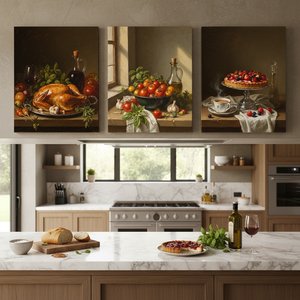
Elevate your home with WahooArt’s bespoke oil paintings. Transform cherished kitchen memories into museum-quality still life masterpieces. Hand-painted by master artists using traditional techniques to create a timeless legacy for your luxury interior.

Discover the enduring allure of oil on canvas. Explore how master techniques like impasto and glazing create the depth, texture, and emotional resonance found in the world's greatest masterpieces. An essential guide for fine art enthusiasts and discerning collectors.

Discover the enduring legacy of oil on board painting. Explore how historical techniques, rich impasto textures, and structural durability create timeless masterpieces that bridge Renaissance grandeur with modern art collecting excellence.


최신 미술 뉴스, 특별 혜택 및 인테리어 아이디어를 가장 먼저 만나보세요.
프로젝트에 대해 알려주시면 저희 미술 전문가들이 맞춤형 아트 제안 3가지를 전달해 드립니다.
당신만을 위한 맞춤형 옵션 3가지를 무료로 추천해 드립니다!


 미리보기
미리보기
 프린트 구매
 공유하기
공유하기 공유하기
공유하기
 상세 정보
상세 정보

 다운로드
다운로드
 유사 작품
유사 작품 X-레이
X-레이 슬라이드 쇼
 더 보기
더 보기









 유리 옵션은 110cm 미만 크기에서만 선택 가능합니다.


