


빠른 제작과 다양한 마감 옵션을 제공하는 박물관 품질의 지클레이 또는 캔버스 프린트. ( 손으로 그린 그림 구매 이미지 구매)





























작품의 원본 비율을 유지하는 미리 설정된 크기 중에서 선택하세요.

특정 프레임이나 공간에 맞춰 직접 치수를 입력하실 수 있습니다. 선택하신 사이즈가 원본 이미지의 비율과 일치하지 않을 경우, 작품을 크롭(자르기)하거나 이미지를 대칭 또는 단색 채우기로 확장하여 제작합니다. 제작 시작 전, 최종 확인을 위해 디지털 목업이 전송됩니다.
화면상의 미리보기는 실제 크롭이나 확장 상태를 반영하지 않으므로, 최종 구도는 오직 목업을 통해서만 정확하게 확인하실 수 있습니다.
맞춤 사이즈 제작도 가능하지만, 원본 비율을 유지하기 위해서는 사전 정의된 목록에서 치수를 선택하시는 것을 권장합니다.

untitled (8677)
복제본 크기
Eugène Henri Paul Gauguin’s “untitled (8677)” presents a deceptively simple scene—a gathering of figures on a sun-drenched beach—yet it embodies the profound artistic vision that defined Gauguin's oeuvre and cemented his place as one of the most influential artists of the late nineteenth century. This painting, executed in 1895 during Gauguin’s formative years in Tahiti, transcends mere representation; it strives to convey a feeling, an atmosphere—a distillation of the beauty and serenity found in nature.
Gauguin departed decisively from Impressionism's focus on capturing fleeting optical sensations. Instead, he embraced Synthetist color theory championed by Vincent van Gogh, prioritizing expressive color over accurate depiction. The palette is vibrant and unrestrained—deep blues dominate the ocean expanse contrasted against warm yellows and oranges illuminating the sand and figures. These colors aren’t blended smoothly; they are applied in juxtaposed patches, creating a visual dynamism that mirrors the energy of the natural world.
The painting's surface is characterized by thick impasto—a technique where paint is applied in heavy layers—creating a palpable texture. Gauguin meticulously builds up pigment onto the canvas, sculpting forms with brushstrokes that are visible and deliberate. This tactile approach isn’t merely decorative; it serves to heighten the emotional impact of the artwork, conveying a sense of immediacy and physicality.
“untitled (8677)” reflects Gauguin’s broader artistic ambition—a fervent desire to reconnect with primal spirituality and escape the constraints of Western civilization. Following his relocation to Tahiti, he sought inspiration in Polynesian culture, attempting to capture its essence through simplified forms and bold colors. This painting exemplifies his fascination with mythology and symbolism, drawing upon motifs reminiscent of ancient rituals and beliefs.
The composition itself is laden with symbolic significance. The three women seated on the beach represent fertility and maternal care—themes central to Gauguin's worldview. The dog symbolizes loyalty and companionship, mirroring the artist’s own relationship with his adopted Tahitian son. Even the scattered rocks contribute to the painting’s narrative, suggesting stability amidst chaos and grounding the figures in their environment. Ultimately, “untitled (8677)” invites contemplation on themes of innocence, beauty, and the enduring power of nature.
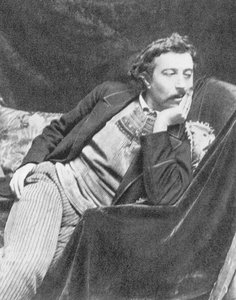
1848 - 1903 , 프랑스

Master the nuances of Impressionism vs. Post-Impressionism with our expert guide. Explore the revolutionary shift from Monet’s fleeting light to Van Gogh’s emotional depth. Discover how these iconic movements continue to inspire fine art collectors and modern interiors today.

Discover the profound emotional depth of Post-Impressionist landscapes. Explore how masters like Van Gogh revolutionized art through vibrant color, textured impasto, and symbolic expression in this expert guide to the movement that redefined modern art history.


 미리보기
미리보기
 공유하기
공유하기 공유하기
공유하기
 상세 정보
상세 정보

 다운로드
다운로드
 유사 작품
유사 작품 X-레이
X-레이 슬라이드 쇼
 더 보기
더 보기









 유리 옵션은 110cm 미만 크기에서만 선택 가능합니다.


