
 Acrylic On CanvasWallArtPost-Impressionism
 1889
1889 5.0 x 73.0 cm
 Kunsthaus Zürich
원하는 크기와 액자로 주문 제작되는, 작가들이 직접 캔버스에 손으로 그린 유화 작품입니다. ( 프린트 판매로 전환 디지털 이미지로 전환)





























작품의 원본 비율을 유지하는 미리 설정된 크기 중에서 선택하세요.

특정 프레임이나 공간에 맞도록 직접 크기를 입력할 수 있습니다. 선택하신 크기가 원본 이미지의 비율과 일치하지 않는 경우, 작품을 자르거나 추가적인 손으로 그린 요소를 사용하여 그림을 확장합니다. 제작 시작 전 승인을 위해 디지털 목업을 보내드립니다.
화면 미리 보기는 실제 자르기 또는 확장을 반영하지 않습니다. 최종 구성은 목업을 통해서만 정확하게 확인하실 수 있습니다.
맞춤 크기 제작도 가능하지만, 원본 비율을 유지하기 위해 사전 정의된 목록에서 크기를 선택하시는 것을 권장합니다.

The Gate
복제본 크기
Paul Gauguin’s “The Gate,” painted in 1889, isn't merely a depiction of a rustic scene; it’s a portal into the heart of Breton identity and a profound exploration of connection – to land, to community, and perhaps, to something beyond. Captured in the quiet village of Le Pouldu, not far from Pont-Aven in Brittany, France, this painting offers a glimpse into a world steeped in tradition and imbued with a subtle yet powerful spirituality. Gauguin’s choice of subject matter—a humble lattice gate—is deceptively simple, yet it becomes a focal point for a complex narrative woven through light, color, and the very essence of Breton life.
The painting immediately draws the eye to the central figure: a woman seated on a weathered bench beneath the shade of an ancient tree. Her posture is relaxed, almost contemplative, suggesting a moment of quiet reflection. She’s not actively engaged in any particular task, but rather seems to be absorbing the atmosphere around her – a silent observer of the rural landscape. Two other individuals are present: a man standing near the left side and another further back on the right, adding layers of social interaction to the scene without disrupting its serene mood. The gate itself, constructed from rough-hewn wood, dominates the foreground, acting as both a physical barrier and a symbolic threshold.
Gauguin’s masterful use of color is central to the painting's impact. He employs a vibrant palette—deep greens, earthy browns, and touches of ochre and crimson—to capture the rich hues of the Breton countryside. The brushstrokes are loose and expressive, characteristic of Gauguin’s Impressionistic style, yet imbued with a deliberate solidity that grounds the scene in reality. Notice how he uses broken color to create depth and luminosity, particularly in the dappled sunlight filtering through the leaves. This technique isn't simply about replicating what the eye sees; it’s about conveying the *feeling* of being immersed in this particular place and time.
The painting is executed with a thick impasto—meaning that the paint is applied thickly to the canvas, creating a tactile surface that invites close examination. This technique adds to the sense of immediacy and physicality, as if you could reach out and touch the rough bark of the tree or feel the warmth of the sun on your skin. Gauguin’s deliberate layering of color and texture creates a dynamic visual experience, constantly shifting and evolving with the viewer's perspective.
“The Gate” is deeply rooted in Breton culture, a region of France known for its strong traditions, distinctive language, and fiercely independent spirit. Gauguin’s depiction of rural life—the simple dwelling, the weathered gate, the quiet figures—reflects this cultural identity. The gate itself holds significant symbolic weight. In Breton folklore, gates often represent transitions – passages between worlds, or thresholds to sacred spaces. It could be interpreted as a gateway to community, to heritage, or even to the spiritual realm.
The woman seated beneath the tree is particularly intriguing. Her presence suggests a connection to the land and its traditions. She embodies a sense of timelessness and resilience—a quiet strength rooted in the rhythms of rural life. The painting’s overall mood evokes a feeling of nostalgia, a longing for simpler times, and a deep appreciation for the beauty of the natural world.
Painted just a few years before Gauguin's departure for Tahiti, “The Gate” represents a pivotal moment in his artistic development. It foreshadows the bold experimentation with color and symbolism that would characterize his later work. This painting is not simply a picturesque landscape; it’s a profound meditation on identity, community, and the enduring power of tradition. Reproductions of "The Gate" capture this essence beautifully, offering a window into Gauguin's unique vision and inviting viewers to contemplate the timeless beauty of Breton life.

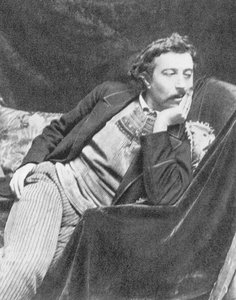
1848 - 1903 , 프랑스

Explore the profound beauty of village scene art. From Impressionist light to pastoral realism, discover how timeless landscapes capture nostalgia through expert artistry and historical depth. Perfect for collectors seeking evocative, museum-quality landscape inspirations.

Delve into the vibrant world of Paul Gauguin. Explore his revolutionary use of color, Tahitian symbolism, and the profound impact of tropical primitivism on Post-Impressionism through an expert art-historical lens.


 미리보기
미리보기
 공유하기
공유하기 공유하기
공유하기
 상세 정보
상세 정보

 다운로드
다운로드
 유사 작품
유사 작품 X-레이
X-레이 슬라이드 쇼
 통계 정보
통계 정보 더 보기
더 보기









 유리 옵션은 110cm 미만 크기에서만 선택 가능합니다.


