
빠른 제작과 다양한 마감 옵션을 제공하는 박물관 품질의 지클레이 또는 캔버스 프린트. ( 손으로 그린 그림 구매 디지털 이미지로 전환)





























작품의 원본 비율을 유지하는 미리 설정된 크기 중에서 선택하세요.

특정 프레임이나 공간에 맞춰 직접 치수를 입력하실 수 있습니다. 선택하신 사이즈가 원본 이미지의 비율과 일치하지 않을 경우, 작품을 크롭(자르기)하거나 이미지를 대칭 또는 단색 채우기로 확장하여 제작합니다. 제작 시작 전, 최종 확인을 위해 디지털 목업이 전송됩니다.
화면상의 미리보기는 실제 크롭이나 확장 상태를 반영하지 않으므로, 최종 구도는 오직 목업을 통해서만 정확하게 확인하실 수 있습니다.
맞춤 사이즈 제작도 가능하지만, 원본 비율을 유지하기 위해서는 사전 정의된 목록에서 치수를 선택하시는 것을 권장합니다.

Pears and grapes
복제본 크기
Paul Gauguin’s "Pears and Grapes," painted in 1875, is more than just a depiction of fruit; it's an early exploration of the artistic principles that would later define his signature style. This still life, executed on panel with oil paints, offers a glimpse into Gauguin’s developing aesthetic sensibilities before his renowned Tahitian period. The painting presents a thoughtful arrangement of pears and grapes nestled within bowls, set against a subtly textured backdrop. It's a testament to Gauguin's burgeoning talent and foreshadows the innovative techniques he would later employ.
While "Pears and Grapes" is categorized as Post-Impressionism, it reveals influences from earlier movements like Impressionism while simultaneously hinting at Gauguin’s future stylistic departures. The brushwork isn't the loose, fleeting quality of pure Impressionism; instead, there's a deliberate application of paint, creating texture and form with visible strokes. This foreshadows his later Synthetist approach where he sought to simplify forms and emphasize symbolic meaning over strict realism. Gauguin uses a palette dominated by warm earth tones – browns, ochres, and yellows – which create a sense of warmth and intimacy. The contrast between the darker background and the lighter fruit draws the viewer's eye directly to the subject matter. The composition is relatively simple, focusing on the arrangement of the fruit and bowls, demonstrating Gauguin’s early mastery of balance and visual harmony.
Painted in 1875, "Pears and Grapes" emerged during a period of significant artistic transition. Impressionism was gaining traction, but artists were beginning to question its limitations. Gauguin, like Cézanne and Van Gogh, sought to move beyond the mere depiction of visual impressions towards a more subjective and expressive form of art. This painting reflects that shift; it’s not simply about capturing what he saw, but also conveying a feeling or mood through color and composition. Gauguin's early exposure to artists like Camille Pissarro undoubtedly influenced his initial artistic development, but "Pears and Grapes" demonstrates his unique trajectory away from the purely optical concerns of Impressionism.
While seemingly straightforward, still life paintings often carry symbolic weight. In “Pears and Grapes,” the fruit itself can be interpreted as symbols of abundance, ripeness, and even mortality – a common theme in art history. The careful arrangement suggests a sense of order and control, while the slightly muted color palette evokes a feeling of quiet contemplation. The painting’s emotional impact lies in its understated beauty and the subtle interplay of light and shadow. It's an invitation to pause and appreciate the simple pleasures of life, rendered with a growing artistic maturity that would soon blossom into Gauguin’s iconic style.

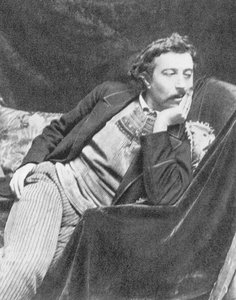
1848 - 1903 , 프랑스

Master the nuances of Impressionism vs. Post-Impressionism with our expert guide. Explore the revolutionary shift from Monet’s fleeting light to Van Gogh’s emotional depth. Discover how these iconic movements continue to inspire fine art collectors and modern interiors today.

Explore the transformative era of Post-Impressionism. Discover how masters like Cézanne and Matisse revolutionized color and form, moving beyond Impressionism to shape modern art history through structural innovation and expressive emotion.

Unveil the profound revolution of Post-Impressionism. Explore how masters like Van Gogh and Cézanne utilized bold colors and emotional depth to transcend mere representation, laying the foundation for modern art. A sophisticated journey through history's most emotive brushstrokes.

Explore the vibrant evolution of Post-Impressionism. From Seurat's revolutionary Pointillism to the emotional depth of masters, discover how this movement redefined modern art history through color, structure, and unparalleled creative expression.


 미리보기
미리보기
 공유하기
공유하기 공유하기
공유하기
 상세 정보
상세 정보

 다운로드
다운로드
 유사 작품
유사 작품 X-레이
X-레이 슬라이드 쇼
 통계 정보
통계 정보

 더 보기
더 보기









 유리 옵션은 110cm 미만 크기에서만 선택 가능합니다.


