무료 아트 컨설팅

x
프린트 구매하기 프린트 구매하기작품 구매하기 작품 구매하기 공유하기공유하기
상세 정보상세 정보 즐겨찾기에 추가 즐겨찾기에 추가 다운로드다운로드 유사 작품유사 작품 X-레이X-레이 슬라이드 쇼슬라이드 쇼

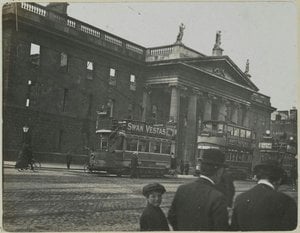
Eclipse, 1911

Discover "Eclipse, 1911" by Eugène Atget – a captivating black & white photograph of Parisian street life. Explore this iconic image's historical significance and artistic merit.

Discover Eugène Atget (1857-1927), a pioneering French photographer who meticulously documented Old Paris before its transformation. Explore his evocative images of architecture, streets & Parisian life.

온라인 미리보기보다 훨씬 뛰어난 품질의 고해상도 디지털 이미지를 구매해 보세요.

각 파일은 사내 전문가가 고급 도구와 숙련된 수동 리터칭 기술을 사용하여 세심하게 준비합니다. 우리는 모든 이미지가 탁월한 선명도, 정확한 색상 재현력, 그리고 미세한 디테일까지 완벽하게 갖추도록 보장합니다.

최종 파일은 전문적인 편집 및 인쇄 환경에서 즉시 사용할 수 있도록 최적화되어 72시간 이내에 이메일로 발송됩니다. 이는 세계적인 디자인 스튜디오, 출판사 및 갤러리가 신뢰하는 것과 동일한 품질입니다.

디지털 이미지

개인 소장 및 전시, 인쇄, 창작 프로젝트를 위한 고해상도 파일을 다운로드하세요.

최종 결제 금액

$9.99

모든 디지털 이미지 주문에 포함된 혜택

전문적인 디지털 이미지 전송 보장

WahooArt.com를 선택하시면 단순히 이미지를 받는 것을 넘어, 정밀한 보정 과정을 거친 전문적인 디지털 예술 작품을 만나보실 수 있습니다. 모든 작품에는 만족 보장 서비스가 함께 제공되며, 주문 시 다음과 같은 사항들이 자동으로 포함됩니다:

shipping_icon
빠른 이메일 전송

주문 후 72시간 이내에 고해상도 디지털 이미지 파일이 이메일로 발송되며, 즉시 사용하실 수 있습니다.

canvas_icon
AI 기술로 향상된 디지털 파일

귀하의 작품은 고급 AI 도구와 수동 편집 과정을 거쳐 전문적으로 최적화되며, 이를 통해 디테일과 선명도, 색상의 정확도를 극대화합니다.

insurance_icon
평생 무료 재전송 서비스

파일을 실수로 삭제하거나 분실하셨나요? 걱정 마세요. 언제든 무료로 다시 보내드립니다.

tax_icon
추가 수입 비용 없음 - 언제나

관세나 부가세, 배송비 부담 없이 작품을 즉시 감상하세요 - 디지털 다운로드는 언제나 면세 혜택이 적용됩니다.

color_icon
정확한 색상 보장

전문적인 도구와 색상 관리 시스템을 통해 디지털 이미지가 원본의 색상을 최대한 정확하게 구현하도록 보장합니다.

return_icon
60일 만족 보장제

구매하신 디지털 이미지에 만족하지 못하실 경우, 60일 이내에 수정 또는 100% 환불을 진행해 드립니다 - 어떠한 문의도 필요 없습니다.

guarantee_icon
100% 환불 보장

만족하지 못하셨나요? 디지털 파일을 수령하신 후 60일 이내라면 별도의 이유를 밝힐 필요 없이 전액 환불해 드립니다.

discount_icon
대량 주문 할인

이미지 3매 구매 시 10% 할인 - 5매 구매 시 15% 할인 - 10매 이상 구매 시 20% 할인. 크리에이티브 프로젝트, 갤러리, 에이전시에 매우 유용합니다.

작품 정보 요약

  • Artist: Eugène Atget
  • Artistic style: Documentary
  • Influences: Impressionism
  • Movement: Photography
  • Subject or theme: Parisian cityscape
  • Location: The Metropolitan Museum of Art
  • Notable elements or techniques: Glass negative printing

예술 상식 퀴즈

각 질문의 정답은 하나뿐입니다.

질문 1:
What is the primary subject matter depicted in Eugène Atget’s photograph ‘Eclipse’?
질문 2:
Approximately when was the photograph ‘Eclipse’ printed?
질문 3:
What artistic technique did Eugène Atget employ to create this image?
질문 4:
The photograph captures a moment of observation by visitors. What does this suggest about Atget’s artistic intention?
질문 5:
Where is ‘Eclipse’ currently housed?

수집품 상세 설명

A Silent Witness to Parisian Decay

Eugène Atget’s “Eclipse,” produced in 1956 from a glass negative taken in 1911, isn't merely a photograph; it’s a poignant snapshot of a disappearing Paris—a city grappling with the anxieties of modernity while clinging stubbornly to its past. Captured during the Belle Époque, a period characterized by optimism and artistic flourishing, Atget’s image offers a stark contrast to the prevailing celebratory mood.

The photograph depicts a group of individuals standing before what appears to be a monumental statue or monument—likely Notre Dame Cathedral, though its precise location within Paris remains somewhat ambiguous. The figures themselves are rendered in muted tones, emphasizing their vulnerability against the grandeur of the edifice. Atget’s masterful use of light and shadow contributes significantly to the artwork's atmosphere, creating an unsettling stillness that underscores the passage of time.

  • Style: Atget’s style is distinctly observational—he eschewed artistic embellishment in favor of capturing reality with uncompromising honesty. This approach aligns closely with Pictorialism, a movement advocating for photography as a fine art form, prioritizing tonal gradation and textural detail over mere representation.
  • Technique: Atget employed the wet collodion process, a laborious technique requiring meticulous preparation and immediate exposure. The resulting negatives were painstakingly processed by hand, ensuring exceptional sharpness and capturing subtle nuances of light that would have been lost with more conventional methods.

Beyond its technical prowess, “Eclipse” resonates deeply with symbolic significance. The statue itself—presumably Notre Dame—represents faith and tradition amidst the encroaching forces of industrialization and urbanization. The faces of the tourists gazing upwards convey a sense of awe mingled with melancholy—a recognition that even the most enduring landmarks are subject to inevitable change.

The photograph’s emotional impact is palpable. It evokes a feeling of quiet contemplation, prompting viewers to consider the ephemeral nature of beauty and memory. Atget's deliberate framing invites us to linger on the scene, absorbing its atmosphere and contemplating the stories it silently narrates. “Eclipse” serves as a powerful reminder that art can transcend time, capturing not just what was seen but also what was felt—a testament to Atget’s enduring legacy as one of Paris’s most perceptive chroniclers.

Its muted palette and deliberate composition encapsulate the melancholic spirit of the Belle Époque, inviting contemplation on themes of loss, resilience, and the beauty found in decay. “Eclipse” remains a compelling piece for collectors interested in Pictorialism and those seeking to infuse their interiors with an evocative glimpse into Parisian history.


작가 소개

A Chronicler of Old Paris: The Life and Legacy of Eugène Atget

Born Jean-Eugène-Auguste Atget in 1857, in the quiet town of Libourne, France, the photographer who would become synonymous with “Old Paris” began life under a shadow of loss. Orphaned at the tender age of seven following the deaths of both his parents, young Eugène was raised by his maternal grandparents in Bordeaux. This early experience of displacement and perhaps a nascent sense of impermanence may have subtly informed his later artistic drive—a compulsion to document a world he sensed was slipping away. His initial aspirations lay far from photography; Atget pursued acting, enrolling in drama school but finding his path interrupted by mandatory military service. A subsequent attempt at a theatrical career with a traveling troupe was cut short by vocal cord issues, forcing him to reconsider his direction. It was around 1887, after these early setbacks, that he turned towards the emerging art of photography, initially producing images for sale to artists and craftspeople—pleasant landscapes and scenes intended as reference material.

The Systematic Vision: Documenting a Vanishing Paris

A pivotal shift occurred around 1897, marking the true beginning of Atget’s singular life's work. He embarked on a systematic documentation of “Old Paris,” a project that would consume him for nearly three decades. This wasn’t merely picturesque tourism; it was an almost anthropological undertaking, driven by a desire to preserve the physical fabric of a city undergoing rapid modernization. Armed with a large-format wooden bellows camera and utilizing glass dry plates (18x24cm), Atget meticulously recorded the narrow lanes, ancient courtyards, magnificent palaces, and bustling street life that defined the historic heart of Paris. He wasn’t interested in artistic embellishment or dramatic composition; his approach was fundamentally documentary, a striving for objective representation. From 1906 onwards, this dedication brought him commissions from institutions like the Musée Carnavalet and the Bibliothèque Historique de la Ville de Paris, solidifying his role as an official chronicler of Parisian history. He photographed not just grand monuments but also the everyday details—shop window displays, street vendors, rag collectors, even prostitutes—creating a comprehensive portrait of urban life in all its complexity.

A Unique Aesthetic: Atmosphere and the Passage of Time

Atget’s photographs possess a distinctive aesthetic born as much from technical necessity as artistic intention. The long exposure times required by his equipment often resulted in a wispy quality, blurring movement and creating an ethereal atmosphere. This wasn't a flaw but rather a defining characteristic, lending his images a sense of timelessness and melancholy. He frequently captured scenes with few people present, or those figures rendered ghostly by the extended exposures, emphasizing space and ambiance over sharp detail. His compositions are often characterized by a deliberate lack of dramatic focus; instead, he presents a wide view, inviting the viewer to wander through the scene and absorb its atmosphere. This approach wasn’t about capturing a fleeting moment but rather conveying the enduring presence of place—the weight of history embedded in the stones and streets of Paris. He sought not to interpret, but to record.

Delayed Recognition and Enduring Influence

Despite his dedication and the sheer volume of his work – an estimated 8,500 negatives – Atget received remarkably little recognition during his lifetime. Only a handful of young artists recognized the genius in his approach. It was after his death in 1927 that his legacy began to unfold, largely thanks to the efforts of American photographer Berenice Abbott. Recognizing the importance of his work, Abbott purchased Atget’s archive and tirelessly promoted his photographs through exhibitions and publications. She later donated a significant portion of her collection to the Museum of Modern Art (MoMA) in 1968, ensuring its preservation and accessibility for future generations. Atget's images resonated deeply with the Surrealists, who appreciated their evocative atmosphere, sense of mystery, and ability to reveal the hidden poetry of everyday life. Today, Eugène Atget is celebrated as a pioneer of documentary photography, a vital chronicler of Parisian history, and an inspiration to photographers around the world. His work continues to offer invaluable insights into the urban landscape and social life of late 19th and early 20th-century Paris—a testament to the power of patient observation and the enduring beauty of a city in transition.
Eugène Atget

Eugène Atget

1857 - 1927 , France

주요 정보

  • Artistic Movement Or Style: Documentary photography
  • Artists Or Movements Influenced By This Artist:
    • Surrealism
    • Berenice Abbott
  • Date Of Birth: February 12, 1857
  • Date Of Death: August 4, 1927
  • Full Name: Eugène Atget
  • Nationality: French
  • Notable Artworks:
    • Beech Tree
    • Fête du Trône
    • Guignol, Jardin Du Luxembourg
  • Place Of Birth: Libourne, France