
원하는 크기와 액자로 주문 제작되는, 작가들이 직접 캔버스에 손으로 그린 유화 작품입니다. ( 프린트 판매로 전환 디지털 이미지로 전환)





























작품의 원본 비율을 유지하는 미리 설정된 크기 중에서 선택하세요.

특정 프레임이나 공간에 맞도록 직접 크기를 입력할 수 있습니다. 선택하신 크기가 원본 이미지의 비율과 일치하지 않는 경우, 작품을 자르거나 추가적인 손으로 그린 요소를 사용하여 그림을 확장합니다. 제작 시작 전 승인을 위해 디지털 목업을 보내드립니다.
화면 미리 보기는 실제 자르기 또는 확장을 반영하지 않습니다. 최종 구성은 목업을 통해서만 정확하게 확인하실 수 있습니다.
맞춤 크기 제작도 가능하지만, 원본 비율을 유지하기 위해 사전 정의된 목록에서 크기를 선택하시는 것을 권장합니다.

untitled (2504)
복제본 크기
“Untitled (2504)” by Ernst Ludwig Kirchner is a quintessential example of the Expressionist style that defined the German art movement Die Brücke. This large-scale representation of a bridge with people walking on it showcases Kirchner's unique approach to form and color. The overall atmosphere of the painting appears to be somewhat dark or moody, with the arches and people creating a sense of depth in the image.
The use of bold brushstrokes and vibrant colors is characteristic of Expressionist art. In “Untitled (2504)”, Kirchner employs a predominantly blue color palette, which adds to the somber tone of the scene. The woman wearing a red dress walking across the bridge creates a striking contrast against the cool tones of the background. This juxtaposition of colors is a hallmark of Expressionist art, where artists sought to evoke emotions and inner experiences rather than represent reality.
Kirchner’s technique involves layering paint in visible strokes, creating texture and movement within the composition. The distortion of perspective and elongated figures contribute to the unsettling yet captivating nature of the scene. This isn't about photographic realism; it's about conveying a feeling – the anxiety and alienation often associated with modern urban life.
To understand “Untitled (2504),” one must consider its historical context. Kirchner was a founding member of Die Brücke (The Bridge), formed in Dresden in 1905. This group sought to break away from traditional artistic conventions and create a new form of art that reflected the rapidly changing social and political landscape of early 20th-century Germany.
Germany during this period was experiencing rapid industrialization, urbanization, and societal upheaval. Kirchner’s work often reflects these anxieties, portraying crowded streets, alienated individuals, and a sense of unease. The painting can be seen as a commentary on the dehumanizing effects of modern life.
The bridge itself is a potent symbol in Kirchner's work. It represents transition, connection, and perhaps even isolation – people are physically connected by the structure but emotionally distant from one another. The figures walking across the bridge appear anonymous and lost within the urban sprawl.
The woman in red stands out as a focal point, her vibrant color offering a glimmer of hope or individuality amidst the prevailing gloom. However, even she seems detached, contributing to the overall sense of alienation. “Untitled (2504)” evokes feelings of melancholy, anxiety, and a profound sense of urban isolation – emotions that resonate with viewers even today.
Handmade oil painting reproductions of “Untitled (2504)” and other Expressionist masterpieces can be found on https://WahooArt.com, allowing art enthusiasts to own a piece of history. For more information on the artist and his works, visit Ernst Ludwig Kirchner.


1880 - 1938 , 독일

Explore the raw emotion of German Expressionism through a definitive guide to Ernst Ludwig Kirchner. Discover how his bold colors and distorted forms redefined modern art history, from Berlin street scenes to iconic masterpieces.

Delve into the visceral world of German Expressionism. Explore the history, key artists like Kirchner and Kandinsky, and the movement's profound emotional impact through an expert art-history lens. Discover how bold colors and distortion redefined modern aesthetics.
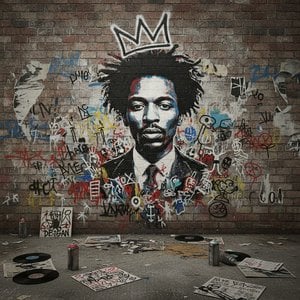
Explore the raw energy of Jean-Michel Basquiat and Neo-Expressionism. Discover how urban rebellion redefined modern art through a lens of luxury, identity, and profound emotional intensity for the discerning collector.


 미리보기
미리보기
 공유하기
공유하기 공유하기
공유하기
 상세 정보
상세 정보

 다운로드
다운로드
 유사 작품
유사 작품 X-레이
X-레이 슬라이드 쇼
 통계 정보
통계 정보

 더 보기
더 보기









 유리 옵션은 110cm 미만 크기에서만 선택 가능합니다.


