


 Contemporary Realism
 1915
1915 39.0 x 31.0 cm
 Ben Uri Gallery and Museum
작품의 원본 비율을 유지하는 미리 설정된 크기 중에서 선택하세요.

특정 프레임이나 공간에 맞도록 직접 크기를 입력할 수 있습니다. 선택하신 크기가 원본 이미지의 비율과 일치하지 않는 경우, 작품을 자르거나 추가적인 손으로 그린 요소를 사용하여 그림을 확장합니다. 제작 시작 전 승인을 위해 디지털 목업을 보내드립니다.
화면 미리 보기는 실제 자르기 또는 확장을 반영하지 않습니다. 최종 구성은 목업을 통해서만 정확하게 확인하실 수 있습니다.
맞춤 크기 제작도 가능하지만, 원본 비율을 유지하기 위해 사전 정의된 목록에서 크기를 선택하시는 것을 권장합니다.

Samaritan High Priest
복제본 크기

In the delicate, swirling lines of the Art Nouveau movement, few voices resonate with as much cultural depth and spiritual longing as that of Ephraim Moses Lilien. Born in 1874 in Drohobych, Poland, under the name Maurycy Lilien, this multifaceted creator—a photographer, painter, illustrator, and engraver—did not merely participate in the aesthetic trends of his era; he transformed them. His life was a profound journey through the heart of European fine arts and the burgeoning spirit of Jewish national identity. Educated at the prestigious Academy of Fine Arts in both Vienna and Krakow, Lilien possessed a technical mastery that allowed him to bridge the gap between classical academic training and the avant-garde decorative styles of the early twentieth century.
Lilien’s artistic evolution was deeply intertwined with his personal convictions and his travels. His work serves as a visual chronicle of a period marked by intense political and cultural shifts. Between 1906 and 1918, his excursions to Ottoman Palestine provided him with a direct connection to the landscapes and people that would become central motifs in his oeuvre. This period of exploration allowed him to infuse his Art Nouveau sensibilities with an authentic, lived experience of the Jewish homeland, creating a visual language that was simultaneously modern and ancient.
The true brilliance of Lilien lies in his ability to weave the organic, flowing ornamentation of Art Nouveau into the sacred iconography of Judaism. His compositions often feature the sinuous curves and botanical motifs characteristic of the period, yet these elements are repurposed to tell stories of faith, heritage, and hope. He was a master of the graphic medium, using engraving and illustration to create works that were both aesthetically exquisite and ideologically potent.
Among his most enduring contributions to the art world are:
As a pioneering Zionist artist, Lilien’s impact extends far beyond the boundaries of traditional art history. He was instrumental in creating a new visual vocabulary for a people seeking to redefine their place in the modern world. By blending the contemporary European aesthetic with Jewish themes, he provided a sense of dignity and modernity to Zionist imagery, paving the way for future generations of artists to explore similar intersections of identity and style.
Though his life was tragically short, ending in Badenweiler, Germany, in 1925, his artistic footprint remains indelible. Today, his works are preserved in esteemed institutions such as the Kunstsammlungen und Museen Augsburg, serving as a testament to his role as a bridge-builder between cultures and eras. To study the work of Ephraim Moses Lilien is to witness the birth of a modern Jewish aesthetic, a beautiful confluence of decorative elegance and profound historical purpose.
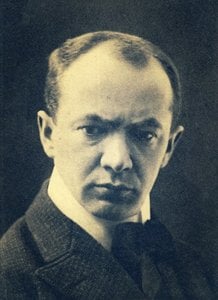
1874 - 1925 , Poland

Master the nuances of Giclée printing with our expert guide. Discover how pigment-based inks and museum-grade substrates create fade-resistant, high-fidelity art reproductions designed for discerning collectors seeking unparalleled quality and longevity.

Explore the profound mastery of engraving and intaglio printmaking. Delve into the rich history, technical precision of the burin, and the enduring legacy of fine art techniques that shaped the world's most iconic masterpieces.
당신의 예술적 영감을 전 세계로 확장하세요. WahooArt는 재고 부담 없는 프리미엄 지클리(Giclée) 프린트 솔루션을 통해 인플루언서와 작가들에게 글로벌 비즈니스 기회를 제공합니다. 박물관급 품질의 파인 아트 프린팅과 투명한 물류 시스템으로 당신의 작품을 시대를 초월한 예술적 유산으로 완성해 드립니다.


 미리보기
미리보기
 프린트 구매
 공유하기
공유하기 공유하기
공유하기
 상세 정보
상세 정보

 다운로드
다운로드
 유사 작품
유사 작품 X-레이
X-레이 슬라이드 쇼
 더 보기
더 보기






































 유리 옵션은 110cm 미만 크기에서만 선택 가능합니다.


