
빠른 제작과 다양한 마감 옵션을 제공하는 박물관 품질의 지클레이 또는 캔버스 프린트. ( 손으로 그린 그림 구매 디지털 이미지로 전환)
작품의 원본 비율을 유지하는 미리 설정된 크기 중에서 선택하세요.

특정 프레임이나 공간에 맞춰 직접 치수를 입력하실 수 있습니다. 선택하신 사이즈가 원본 이미지의 비율과 일치하지 않을 경우, 작품을 크롭(자르기)하거나 이미지를 대칭 또는 단색 채우기로 확장하여 제작합니다. 제작 시작 전, 최종 확인을 위해 디지털 목업이 전송됩니다.
화면상의 미리보기는 실제 크롭이나 확장 상태를 반영하지 않으므로, 최종 구도는 오직 목업을 통해서만 정확하게 확인하실 수 있습니다.
맞춤 사이즈 제작도 가능하지만, 원본 비율을 유지하기 위해서는 사전 정의된 목록에서 치수를 선택하시는 것을 권장합니다.

Full Fathom Five
복제본 크기

Emily Richardson, born in Cobourg, Canada in 1955, embarked on a creative journey that has spanned diverse artistic disciplines before finding its most compelling expression in the realm of contemporary fiber art. While initially drawn to fashion and theatrical costuming—a practical grounding in textile manipulation and design—Richardson’s path subtly shifted towards a more personal exploration of material and form. This early immersion in the tactile world, however, proved foundational, instilling a deep understanding of fabric's inherent qualities: its weight, texture, drape, and capacity for color. It wasn’t merely about creating garments or costumes; it was about harnessing the expressive potential of cloth itself.
Richardson’s artistic development wasn’t confined to a single school of thought. Her work reveals a fascinating interplay of influences, ranging from abstract expressionism and color field painting to the landscapes that surround her—particularly those encountered during her cycling commutes through Philadelphia neighborhoods. The geometric precision of artists like Richard Diebenkorn resonates in some pieces, while others evoke the atmospheric breadth of Marsden Hartley’s compositions. This eclectic mix isn't accidental; Richardson embraces intuitive connections, allowing memories, observations, and art historical precedents to surface organically within her work.
A pivotal moment in Richardson’s career came with the “Plot Lines” series, exhibited at Gross McCleaf Gallery in 2011. The title itself speaks volumes about her approach: a consideration of both physical boundaries—the confines of a small canvas or panel—and narrative structure. Working within this intimate scale allowed for an intensified focus on individual pieces, fostering a sense of dialogue between them. These aren’t simply abstract compositions; they are layered explorations of color, texture, and form, imbued with a subtle emotional resonance. The works resist easy categorization, existing in a liminal space between object and picture, inviting viewers to project their own interpretations onto the soft, atmospheric vistas she creates.
Beyond her accomplishments as a visual artist, Emily Richardson is a remarkably versatile creative force. Her career encompasses comedy writing, performance, and podcasting—a testament to her sharp wit and observational skills. She served as head writer for the sketch team The Sketchersons, honed her talents at Second City Toronto, and penned material for television shows like *Family Feud Canada* and *Battle of the Generations*. This foray into comedic realms isn’t a departure from her artistic practice but rather an extension of it—a shared sensibility for absurdity, playful experimentation, and keen social commentary. Her recent work includes starring in “The Unauthorized Hallmark(ish) Parody Musical” and writing/performing in the Fringe musical-comedy “It Girls”, demonstrating a willingness to embrace diverse creative outlets.
Emily Richardson’s contribution to contemporary fiber art lies not in adhering to strict stylistic conventions but in pushing the boundaries of the medium itself. She elevates what might be perceived as a traditional craft into a sophisticated form of visual expression, challenging viewers to reconsider their preconceptions about materiality and abstraction. Her work has been featured in prestigious exhibitions such as Quilt National and Fiberarts International, solidifying her position within the broader art world. In an era increasingly focused on interdisciplinary practices and the blurring of artistic boundaries, Richardson’s multifaceted career serves as a compelling example of how diverse creative pursuits can inform and enrich one another. Her ability to seamlessly transition between visual art, comedy, and writing speaks to a rare breadth of talent and a commitment to exploring the full spectrum of human expression.
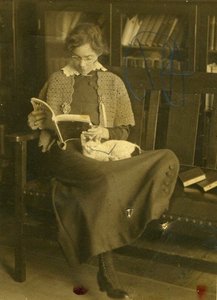
1955 - , Canada


 미리보기
미리보기
 공유하기
공유하기 공유하기
공유하기
 상세 정보
상세 정보

 다운로드
다운로드
 유사 작품
유사 작품 X-레이
X-레이 슬라이드 쇼
 통계 정보
통계 정보
 더 보기
더 보기






































 유리 옵션은 110cm 미만 크기에서만 선택 가능합니다.


