
빠른 제작과 다양한 마감 옵션을 제공하는 박물관 품질의 지클레이 또는 캔버스 프린트. ( 손으로 그린 그림 구매 디지털 이미지로 전환)





























작품의 원본 비율을 유지하는 미리 설정된 크기 중에서 선택하세요.

특정 프레임이나 공간에 맞춰 직접 치수를 입력하실 수 있습니다. 선택하신 사이즈가 원본 이미지의 비율과 일치하지 않을 경우, 작품을 크롭(자르기)하거나 이미지를 대칭 또는 단색 채우기로 확장하여 제작합니다. 제작 시작 전, 최종 확인을 위해 디지털 목업이 전송됩니다.
화면상의 미리보기는 실제 크롭이나 확장 상태를 반영하지 않으므로, 최종 구도는 오직 목업을 통해서만 정확하게 확인하실 수 있습니다.
맞춤 사이즈 제작도 가능하지만, 원본 비율을 유지하기 위해서는 사전 정의된 목록에서 치수를 선택하시는 것을 권장합니다.

Brittany, France
복제본 크기
Emily Carr's 1911 painting, "Brittany Landscape," isn’t merely a depiction of a coastal scene; it’s a profound meditation on place, memory, and the burgeoning spirit of modern Canadian art. Commissioned during a pivotal period in her life – a time when she was grappling with identity, seeking artistic direction, and increasingly drawn to the wild landscapes of British Columbia – this work offers a rare glimpse into the artist's evolving vision. The painting transports us not just to a specific location, but to a state of mind, capturing the essence of a journey both physical and emotional.
Carr’s choice of subject matter—a seemingly simple coastal vista—was deliberately charged with significance. She had recently returned from a transformative trip to France, where she'd been exposed to the vibrant Impressionist movement and began to experiment with capturing fleeting moments of light and color. However, it was her time spent sketching in the remote villages of Brittany, France – a region steeped in Celtic history and folklore – that truly ignited her artistic fire. The painting serves as a direct echo of these experiences, imbued with the same sense of rugged beauty and spiritual resonance. The scene itself is dominated by the vast expanse of the Atlantic Ocean, rendered in broad, expressive brushstrokes of blue and grey, conveying both its power and its serenity.
“Brittany Landscape” firmly establishes Carr within the Post-Impressionist tradition. Rejecting the strict adherence to naturalistic representation favored by earlier movements, she employed a looser, more subjective approach, prioritizing emotional impact and personal expression. Her brushwork is characterized by visible strokes—a deliberate choice that adds texture and dynamism to the scene. Notice how she uses color not to mimic reality but to convey mood and atmosphere. The warm ochres and yellows of the buildings contrast sharply with the cool blues and greens of the ocean, creating a visual tension that mirrors the complexities of her own internal landscape.
Carr’s technique is particularly noteworthy for its layering of paint—thin washes applied over thicker impasto strokes. This creates a sense of depth and luminosity, as if the scene is constantly shifting in the light. The use of complementary colors – blue and orange, green and red – further enhances this effect, intensifying the vibrancy of the painting and drawing the viewer’s eye across the canvas.
Beyond its purely visual qualities, “Brittany Landscape” is rich in symbolic meaning. The isolated buildings—likely representing a small fishing village—suggest a connection to a simpler, more traditional way of life. They stand as silent witnesses to the passage of time and the enduring power of nature. The expansive ocean, stretching out to the horizon, symbolizes both possibility and uncertainty – reflecting Carr’s own search for direction in her artistic career.
Furthermore, the painting embodies a distinctly Canadian sensibility. It's not simply a copy of a European landscape; it’s an interpretation filtered through the lens of a uniquely North American experience. Carr was deeply attuned to the spiritual dimension of the natural world, and “Brittany Landscape” captures this sense of reverence—a feeling that resonates powerfully with the spirit of the Pacific Northwest.
“Brittany Landscape” is a testament to Emily Carr’s artistic vision and her unwavering commitment to capturing the essence of British Columbia. It's a painting that invites contemplation, prompting us to consider our own relationship with the natural world and the enduring power of memory. Reproductions of this iconic work offer a remarkable opportunity to bring this evocative scene into your home or office, serving as a constant reminder of Carr’s profound insights and her lasting contribution to Canadian art.

1871 - 1945

Explore the transformative era of Post-Impressionism. Discover how masters like Cézanne and Matisse revolutionized color and form, moving beyond Impressionism to shape modern art history through structural innovation and expressive emotion.
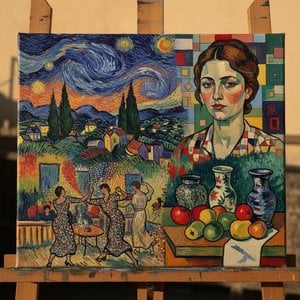
Unveil the profound revolution of Post-Impressionism. Explore how masters like Van Gogh and Cézanne utilized bold colors and emotional depth to transcend mere representation, laying the foundation for modern art. A sophisticated journey through history's most emotive brushstrokes.

Explore the vibrant evolution of Post-Impressionism. From Seurat's revolutionary Pointillism to the emotional depth of masters, discover how this movement redefined modern art history through color, structure, and unparalleled creative expression.

Master the nuances of Impressionism vs. Post-Impressionism with our expert guide. Explore the revolutionary shift from Monet’s fleeting light to Van Gogh’s emotional depth. Discover how these iconic movements continue to inspire fine art collectors and modern interiors today.


 미리보기
미리보기
 공유하기
공유하기 공유하기
공유하기
 상세 정보
상세 정보

 다운로드
다운로드
 유사 작품
유사 작품 X-레이
X-레이 슬라이드 쇼
 통계 정보
통계 정보


 더 보기
더 보기









 유리 옵션은 110cm 미만 크기에서만 선택 가능합니다.


