


빠른 제작과 다양한 마감 옵션을 제공하는 박물관 수준의 지클레이 및 캔버스 프린트. ( 수작업 채색 복제본 주문하기 디지털 이미지로 전환)





























작품의 원본 비율을 그대로 유지하는 프리셋 사이즈 중에서 선택해 보세요.

액자나 벽면 크기에 맞춰 필요한 가로와 세로 길이를 입력해 주세요. 프린트는 원본 이미지보다 크게 제작할 수 없으며 오직 자르는 것만 가능하므로, 비율이 다른 사이즈를 선택할 경우 이미지의 일부가 잘려 나갈 수 있습니다. 인쇄 작업에 들어가기 전, 최종 확인을 위해 디지털 목업을 보내드립니다. 이 페이지에 표시된 이미지는 실제 잘리는 영역을 나타내지 않으며, 오직 목업을 통해서만 정확한 확인이 가능합니다.
Self-Portrait
복제본 크기
The charcoal whispers from Elisabetta Sirani's 1664 “Self-Portrait” are more than mere lines on paper; they’re a poignant invitation into the heart and mind of a remarkably talented, yet tragically short-lived, artist. This intimate study, housed within an ornate gilded frame, transcends its humble dimensions – measuring just 21 x 17 centimeters – to reveal a profound depth of emotion and technical mastery that speaks volumes about the burgeoning artistic landscape of 17th-century Bologna. It’s a work not simply *of* a woman, but *by* a woman, boldly asserting her presence within a world largely dominated by male figures.
Sirani's story is inextricably linked to the vibrant and fiercely competitive art scene of her time. Born into an artistic family – her father, Giovanni Andrea Sirani, was himself a respected painter and teacher – she inherited not only technical skill but also a pioneering spirit. Bologna, then a hub for artistic innovation, offered a relative openness to female artists, a circumstance that allowed Sirani to establish herself as one of the era’s most celebrated figures. The portrait itself feels like a deliberate act of self-definition, a conscious assertion of her identity and talent in an environment where women were often relegated to secondary roles.
The immediate impression is one of meticulous detail, achieved through a masterful deployment of hatching and cross-hatching – techniques borrowed from the Renaissance masters but imbued with Sirani’s unique sensibility. The artist doesn't simply *draw* her face; she builds it up layer by layer, creating a remarkable sense of volume and texture. Notice how the subtle variations in tone suggest the play of light on skin, the delicate curve of a cheekbone, or the shadowed recesses beneath an eye. This isn’t merely a likeness; it's a carefully constructed illusion of reality.
The choice of red chalk – a favored medium for portraiture at the time – contributes to the work’s subdued palette and velvety texture. The muted browns and beiges create a sense of intimacy, drawing the viewer into the subject’s gaze. Sirani's use of light is particularly noteworthy; it’s not dramatic or theatrical but rather soft and diffused, illuminating the face with a gentle warmth that emphasizes her features and invites contemplation. The composition itself – centered within the frame, with the head occupying most of the vertical space – reinforces this sense of intimacy and directness.
Beyond its technical brilliance, “Self-Portrait” is rich in symbolic meaning. The direct gaze of the subject—a deliberate choice—conveys a remarkable confidence and perhaps even a touch of introspection. She isn’t passively presenting herself; she's engaging with the viewer, inviting them to share in her thoughts and feelings. The slightly off-center placement of her eyes adds to this sense of immediacy and connection.
The frame itself – an ornate gilded border – serves as a powerful reminder of the formality and status associated with portraiture during the Renaissance. It elevates the subject, transforming her into a figure worthy of admiration and respect. However, within this formal setting, Sirani subtly challenges conventions by presenting herself not as a demure model but as an active participant in the act of creation – a painter at work, surrounded by her tools and materials.
Elisabetta Sirani’s life was tragically cut short at the age of 27, adding a poignant layer to this already compelling portrait. The circumstances surrounding her death – rumored poisoning—have fueled speculation and intrigue for centuries. Regardless of the truth behind her demise, her legacy as one of the most accomplished female artists of the Baroque period endures. Her story is not just about artistic talent; it’s about resilience, determination, and a pioneering spirit that paved the way for future generations of women in the arts.
Today, “Self-Portrait” stands as a testament to Sirani's genius – a captivating glimpse into the mind and soul of an extraordinary artist. Its intimate scale belies its profound emotional depth, offering viewers a rare opportunity to connect with a remarkable woman who defied societal expectations and left an indelible mark on the history of art.
"Self-Portrait"은(는) 1664년 Baroque 사조의 작품으로 제작되었습니다. 제작 연도와 미술 사조는 미술사적 맥락에서 이 작품의 위치를 확고히 해줍니다.
엘리사베타 시라니의 "Self-Portrait"의 저작권 정보: 해당 작품은 퍼블릭 도메인 - 저작권 보호 기간이 만료되었습니다 상태입니다. 이는 이미지 복제 가능 여부를 결정하는 기준이 됩니다.
엘리사베타 시라니의 "Self-Portrait"의 디지털 파일을 소장하시려면, 디지털 이미지 파일 페이지에서 고해상도 디지털 이미지 다운로드을(를) 주문해 주세요.


1638 - 1665 , 이탈리아

Explore the breathtaking drama of 17th-century Baroque art. Our expert guide decodes the use of chiaroscuro, emotional intensity, and historical grandeur to help you appreciate and curate timeless masterpieces for your collection.

화려함과 극적인 표현이 압권! 바로크 미술을 대표하는 10대 걸작의 숨겨진 이야기를 만나보세요. 베르니니, 루벤스 등 거장의 작품부터 바로크 색감, 예술적 기법까지 – WahooArt.com에서 명품 복제 & 인테리어 영감을 얻으세요! 지금 바로 컬렉션을 탐험해보세요.

Explore the dramatic world of Baroque art! Discover iconic artists like Caravaggio & Rubens, defining techniques, and its lasting impact on art history. Expert insights for collectors & enthusiasts at WahooArt.
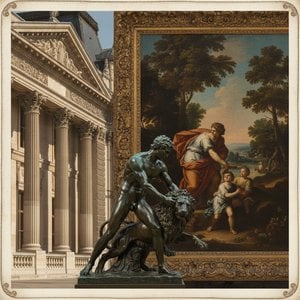
Explore the profound elegance of Baroque Classicism. Discover how 17th-century masters synthesized dramatic emotion with classical order through the lens of the Counter-Reformation and the works of legends like Carlo Maratta and Andrea Sacchi.

Explore the captivating world of Baroque Classicism! Discover its history, key artists like Caravaggio & Rubens, and defining characteristics. Expert insights & high-quality reproductions at WahooArt.
 미리보기
미리보기
 공유하기
공유하기 공유하기
공유하기
 상세 정보
상세 정보 가이드 보기

 다운로드
다운로드
 유사 작품 더 보기
 X-레이
X-레이 슬라이드 쇼 보기
 질의응답
질의응답
 통계 정보
통계 정보


 더 보기
더 보기









 유리 옵션은 110cm 미만 크기에서만 선택 가능합니다.


