

빠른 제작과 다양한 마감 옵션을 제공하는 박물관 수준의 지클레이 및 캔버스 프린트. ( 수작업 채색 복제본 주문하기 디지털 이미지로 전환)





























작품의 원본 비율을 그대로 유지하는 프리셋 사이즈 중에서 선택해 보세요.

액자나 벽면 크기에 맞춰 필요한 가로와 세로 길이를 입력해 주세요. 프린트는 원본 이미지보다 크게 제작할 수 없으며 오직 자르는 것만 가능하므로, 비율이 다른 사이즈를 선택할 경우 이미지의 일부가 잘려 나갈 수 있습니다. 인쇄 작업에 들어가기 전, 최종 확인을 위해 디지털 목업을 보내드립니다. 이 페이지에 표시된 이미지는 실제 잘리는 영역을 나타내지 않으며, 오직 목업을 통해서만 정확한 확인이 가능합니다.
Four (arithmetic) actions
복제본 크기
El Lissitzky's "Four (Arithmetic) Actions," painted in 1928, is more than just a depiction of four stacked figures; it’s a potent distillation of the core tenets of Russian Constructivism. This striking black-and-white image, born from Lissitzky’s revolutionary vision, embodies his belief that art could be a tool for social and intellectual transformation – a concept deeply rooted in the burgeoning modernist movement of the time. The painting's stark simplicity belies its complex engagement with mathematical principles, presenting them not as abstract concepts but as tangible forms demanding rigorous investigation.
Created during a period of intense artistic experimentation following the Russian Revolution, “Four (Arithmetic) Actions)” exemplifies Constructivism’s rejection of traditional representational art. Lissitzky, along with other key figures like Vladimir Tatlin, sought to build a new visual language based on geometric abstraction and industrial forms. The painting's composition – the deliberate layering of the red figures – is a direct manifestation of this approach. Each figure isn't merely a representation of an action; it’s a carefully constructed element contributing to a larger, dynamic whole. The use of bold, primary colors—a conscious choice reflecting the era’s embrace of industrial materials and machine aesthetics—further emphasizes this geometric sensibility.
The numerical markings associated with each figure are crucial to understanding the artwork's deeper meaning. These aren’t arbitrary additions; they represent fundamental mathematical operations – addition, subtraction, multiplication, and division. Lissitzky was interested in exploring how visual forms could embody abstract concepts, transforming mathematics from a theoretical discipline into an accessible and engaging aesthetic experience. The larger figure, visually dominant, can be interpreted as representing the culmination of these actions—the result or outcome of the mathematical process. This layering creates a sense of progression and hierarchy, mirroring the sequential nature of calculation itself.
"Four (Arithmetic) Actions)" was created in 1928, a pivotal year for Lissitzky’s career. It reflects his growing interest in exploring the relationship between art, architecture, and technology – themes that would become central to his later work. The painting's influence extends far beyond its immediate historical context. Lissitzky’s pioneering use of geometric abstraction paved the way for subsequent developments in modern art, including Suprematism and De Stijl. Today, “Four (Arithmetic) Actions)” remains a powerful example of Constructivism’s ambition – a testament to the idea that art can be both intellectually stimulating and profoundly beautiful.
"Four (arithmetic) actions"은(는) Calm 분위기와 함께 Reflective 감정을 전달합니다.
"Four (arithmetic) actions" 작품의 권장 인쇄 설정은 Large 크기와 Panoramic 방향입니다.
엘 리시츠키의 "Four (arithmetic) actions"은(는) 1928년에 제작되었습니다.


1890 - 1941 , 러시아
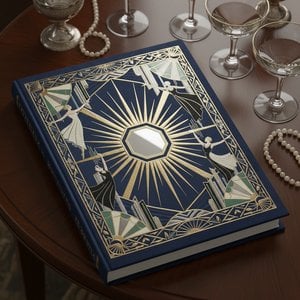
Discover the allure of Art Deco through a curated guide to its most iconic masterpieces. Explore the elegance of Erté and the innovation of Jean Dunand, perfect for collectors seeking timeless glamour and sophisticated design inspiration.

Discover the unparalleled elegance of Art Deco through the lens of Erté. Explore a masterclass in linear precision, theatrical costume design, and high-fashion illustration that continues to define modern luxury and sophisticated interior aesthetics.

Discover the allure of Art Deco style with our expert guide to luxury interiors. Explore iconic influences from Erté to Jean Dunand and learn to curate a sophisticated space filled with timeless glamour and geometric elegance.

Discover the breathtaking allure of Art Deco. Explore the era's iconic geometry, legendary designers like Erté, and timeless glamour. Perfect for discerning collectors seeking to infuse their spaces with sophisticated modernist elegance and historical prestige.
 미리보기
미리보기
 공유하기
공유하기 공유하기
공유하기
 상세 정보
상세 정보 가이드 보기

 다운로드
다운로드
 유사 작품 더 보기
 X-레이
X-레이 슬라이드 쇼 보기
 질의응답
질의응답
 통계 정보
통계 정보

 더 보기
더 보기









 유리 옵션은 110cm 미만 크기에서만 선택 가능합니다.


