

빠른 제작과 다양한 마감 옵션을 제공하는 박물관 수준의 지클레이 및 캔버스 프린트. ( 수작업 채색 복제본 주문하기 디지털 이미지로 전환)





























작품의 원본 비율을 그대로 유지하는 프리셋 사이즈 중에서 선택해 보세요.

액자나 벽면 크기에 맞춰 필요한 가로와 세로 길이를 입력해 주세요. 프린트는 원본 이미지보다 크게 제작할 수 없으며 오직 자르는 것만 가능하므로, 비율이 다른 사이즈를 선택할 경우 이미지의 일부가 잘려 나갈 수 있습니다. 인쇄 작업에 들어가기 전, 최종 확인을 위해 디지털 목업을 보내드립니다. 이 페이지에 표시된 이미지는 실제 잘리는 영역을 나타내지 않으며, 오직 목업을 통해서만 정확한 확인이 가능합니다.
Venus and Vulcan
복제본 크기
El Greco's *Venus and Vulcan*, a captivating black and white photograph depicting two statues, offers a poignant meditation on duality – the masculine and feminine, strength and vulnerability, creation and destruction. The image, seemingly simple in its composition, reveals layers of artistic intent and historical resonance deeply rooted in the artist’s unique vision. The stark contrast between the nude male figure and the draped female, coupled with their intertwined hands, immediately draws the viewer into a dialogue about connection and opposition. This isn't merely a representation of mythological figures; it’s an exploration of fundamental human tensions, rendered with El Greco’s signature dramatic flair.
Doménikos Theotokópoulos, better known as El Greco, was a revolutionary figure in the art world. Born in Crete in 1541, his artistic journey began within the traditions of Byzantine iconography, yet he swiftly developed a style that defied categorization. Influenced by Venetian Mannerism and the spiritual fervor of Toledo, Spain – where he spent much of his career – El Greco created works characterized by elongated figures, intense emotional expression, and a dramatic use of light and shadow. His work anticipated movements like Expressionism and Cubism, demonstrating an extraordinary prescience in his approach to form and emotion. The inclusion of the sports ball and cup adds a layer of intrigue, perhaps suggesting a commentary on contemporary life or a deliberate disruption of classical themes – a hallmark of El Greco’s unconventional genius.
The pairing of Venus (Aphrodite in Roman mythology) and Vulcan (Hephaestus) is rich with symbolic meaning. Venus, goddess of love, beauty, and fertility, represents the creative force of life and passion. Vulcan, god of fire, metalworking, and crafts, embodies destruction, transformation, and the forging of new beginnings. Their hands clasped together suggest a precarious balance between these opposing forces – a recognition that creation inevitably involves destruction, and vice versa. The woman’s dress further emphasizes this duality; it's a garment of protection and societal expectation juxtaposed against the raw vulnerability of her partner’s nudity.
While the photograph itself is a reproduction, understanding El Greco’s original techniques offers valuable insight. He was known for his impasto technique – applying thick layers of paint to create textured surfaces that seemed to vibrate with energy. His use of color, though often muted in later works, was previously characterized by bold contrasts and vibrant hues. El Greco's influence extended far beyond his own lifetime, inspiring generations of artists who sought to capture the raw emotion and spiritual intensity of his vision. This reproduction captures not just an image but a legacy – a testament to El Greco’s enduring power to provoke thought and stir the soul.
"Venus and Vulcan" 작품의 권장 인쇄 설정은 Large 크기와 Portrait 방향입니다.
엘 그레코의 "Venus and Vulcan"의 미술사적 분류는 Late Medieval 시대의 Baroque Expressionism입니다.
엘 그레코의 "Venus and Vulcan"은(는) Muted의 채도와 Monochromatic의 색채 강도를 보여줍니다.

역사에 엘 그레코라는 이름으로 남겨진 도메니코스 테오토콜로풀로스는 1541년 크레타 섬에서 그 생애를 시작했습니다. 당시 크레타는 베네치아 공화국의 영토였으며, 이러한 배경은 훗날 그가 동양과 서양의 예술적 전통 사이를 잇는 가교 역할을 할 수 있게 한 밑거름이 되었습니다. 그는 비잔틴 전통 안에서 성상 화가(icon painter)로서 훈련받았는데, 이는 단순한 외형적 닮음을 넘어 대상의 영적인 본질에 집중하며 세밀한 묘사에 극도의 정성을 기울여야 하는 수행과도 같았습니다. 크레타 학파에서의 이러한 초기 몰입은 그의 화풍이 이후 급격한 변화를 겪는 과정에서도 변치 않는 상징적 정밀함을 유지할 수 있게 하는 근간이 되었습니다.
스물여섯 살 무렵, 그는 자연 세계에 대한 이해를 넓히기 위해 베네치아로 향했습니다. 베네치아 공화국에서 그는 티치아노와 틴토레토 같은 거장들의 작품을 접하며, 형태를 정의하는 색채의 숙련된 사용법과 빛의 마법을 흡수했습니다. 그는 유년 시절의 경직된 선에서 벗어나 더욱 유연한 붓놀림과 역동성을 받아들이기 시작했습니다. 이 시기는 자신의 뿌리를 부정하는 과정이 아니라, 그리스적 유산에서 물려받은 절제된 도상학을 이탈리아 르네상스의 대기감 넘치는 관능미와 결합하며 예술적 지평을 확장해 나가는 여정이었습니다.
로마에서 마니에리즘 특유의 길쭉한 형태와 정교한 구성을 경험한 후, 엘 그레코는 1577년 스페인의 토레데에 정착했습니다. 이 결정은 그의 예술 인생에 결정적인 전환점이 되었습니다. 당시 반종교개혁의 물결 속에서 뜨거운 종교적 열기로 가득했던 토레데는, 점점 더 신비주의로 향하던 그의 예술적 비전을 펼치기에 더할 나위 없이 완벽한 무대였습니다. 바로 이곳에서 그의 화풍은 가장 독보적인 단계에 접어들었습니다. 마치 보이지 않는 영적인 힘에 이끌린 듯, 인물들은 길게 늘어지고 뒤틀린 모습으로 묘사되었습니다. 그는 색채를 단순히 현실을 모방하는 도구가 아니라 감정적 충격을 극대화하는 수단으로 사용했으며, 종교적 숭고함을 표현하기 위해 종종 비현실적인 색조를 과감하게 채택했습니다.
스페인에서의 그의 작업은 지상적인 것과 천상적인 것 사이의 팽팽한 긴장감으로 점철되었습니다. 오르가즈 백작의 장례(1586-1588)에서 그는 동시대 인물들의 사실적인 묘사와 길게 늘어진 천상의 형상들을 병치함으로써, 필멸의 존재와 신성한 존재 사이의 시각적 다리를 놓았습니다. 빛과 그림자를 자유자재로 다루는 그의 능력은 연극적이면서도 깊이 개인적인 드라마를 창출해냈습니다. 그는 단순히 장면을 재현하는 것에 그치지 않고, 물리적 세계의 표면 너머에 존재하는 감정적, 영적 실재를 화폭에 담아내고자 했습니다.
생애 후반기에 접어들며 그의 예술은 더욱 깊은 추상성과 신비주의를 향해 나아갔습니다. 구도는 더욱 복잡해졌고 인물들은 더욱 왜곡되었는데, 이는 기존의 예술적 규범으로부터 점차 멀어지려는 시도였습니다. 토레데의 교회와 수도원들로부터 중요한 의뢰를 받으며 성공을 거두었음에도 불구하고, 1614년 그가 세상을 떠난 후 그의 영향력이 미술계 전반에 즉각적으로 미친 것은 아니었습니다. 오랜 시간 동안 그는 예술사 주류에서 소외된 채, 다소 기이한 화가로 치부되기도 했습니다.
그의 진정한 가치가 재발견된 것은 20세기에 이르러서였습니다. 모더니스트들은 그의 작품에서 미래의 표현주의적이고 파편화된 양식의 선구적 면모를 발견했습니다. 비례를 왜곡하고 대담하며 감정적인 색채를 사용하는 그의 능력은 내면의 심리적 상태를 전달하고자 했던 예술가들에게 깊은 울림을 주었습니다. 오늘날 엘 그레코의 회화는 인간 정신을 들여다보는 창으로 여겨지며, 신앙의 강렬함과 초월을 향한 투쟁을 포착해내는 독보적인 능력으로 찬사를 받고 있습니다.
주요 작품은 다음과 같습니다:

1541 - 1614 , 그리스

Explore the captivating world of El Greco! Discover his unique style, spiritual intensity, and lasting impact on art history. Learn about this Renaissance master's life, iconic paintings & legacy.

엘 그레코의 영혼을 담은 걸작 25선을 만나보세요. 스페인 화가 엘 그레코의 종교화, 마니에리스모 스타일, 그리고 그의 대표작들을 WahooArt에서 감상하고 특별한 인테리어 아트 아이디어를 얻으세요. 지금 바로 컬렉션을 탐험하세요!

Explore 10 iconic paintings dominated by black tones, from Rembrandt’s chiaroscuro to Goya's dark expressions. Discover the stories behind these masterpieces & find museum-quality art reproductions for your home at .

Journey through art history with our Top 10 bronze sculptures! Explore masterpieces by Rodin, Michelangelo & more. Discover stories behind iconic statues and find museum-quality reproductions for your home decor at WahooArt.com.
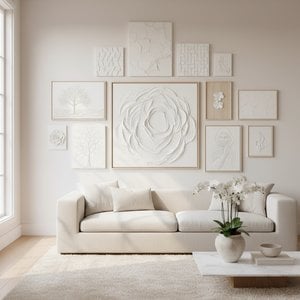
Explore 10 iconic white paintings by Monet, Whistler & Rothko! Discover the stories behind these serene masterpieces and their impact on art history. Find museum-quality reproductions for your home decor at .
 미리보기
미리보기
 공유하기
공유하기 공유하기
공유하기
 상세 정보
상세 정보 가이드 보기

 다운로드
다운로드
 유사 작품 더 보기
 X-레이
X-레이 슬라이드 쇼 보기
 질의응답
질의응답
 통계 정보
통계 정보

 더 보기
더 보기









 유리 옵션은 110cm 미만 크기에서만 선택 가능합니다.


