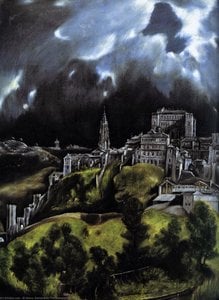
빠른 제작과 다양한 마감 옵션을 제공하는 박물관 수준의 지클레이 및 캔버스 프린트. ( 수작업 채색 복제본 주문하기 디지털 이미지로 전환)





























작품의 원본 비율을 그대로 유지하는 프리셋 사이즈 중에서 선택해 보세요.

액자나 벽면 크기에 맞춰 필요한 가로와 세로 길이를 입력해 주세요. 프린트는 원본 이미지보다 크게 제작할 수 없으며 오직 자르는 것만 가능하므로, 비율이 다른 사이즈를 선택할 경우 이미지의 일부가 잘려 나갈 수 있습니다. 인쇄 작업에 들어가기 전, 최종 확인을 위해 디지털 목업을 보내드립니다. 이 페이지에 표시된 이미지는 실제 잘리는 영역을 나타내지 않으며, 오직 목업을 통해서만 정확한 확인이 가능합니다.
untitled
복제본 크기
Doménikos Theotokópoulos, universally recognized as El Greco – “the Greek” – stands apart from his contemporaries not merely as an artist but as a figure whose life embodied the contradictions and passions characteristic of the Renaissance. Born in Crete in 1541, under Venetian dominion, he embarked on a transformative artistic odyssey that spanned Venice and Rome before culminating in Toledo, Spain—a city steeped in religious fervor and haunted by the specter of the Inquisition.
El Greco’s style defies easy categorization. Initially trained within the Byzantine tradition, prioritizing meticulous detail and reverence for sacred imagery, he swiftly rejected convention, forging a path toward an expressive idiom that would foreshadow movements like Expressionism and Cubism. His canvases pulsate with an inner luminescence—a hallmark of his signature technique—characterized by elongated figures rendered in luminous shades of white and gold against dark backgrounds. This dramatic juxtaposition wasn’t merely stylistic; it served as a conduit for conveying profound spiritual emotion.
The historical context surrounding El Greco’s work profoundly shaped his artistic vision. Toledo, under Habsburg rule, was a crucible of religious zealotry—a city where the Catholic Church exerted considerable influence and where heresy was met with brutal repression. This atmosphere permeated El Greco's oeuvre, informing his preoccupation with themes of faith, martyrdom, and divine revelation.
Symbolism permeates El Greco’s paintings. Recurring motifs—such as halos encircling figures representing saints—underscore the sanctity of their subjects and convey a sense of transcendence. The dark backgrounds against which these luminous figures are positioned symbolize darkness overcome by light—a visual metaphor for spiritual enlightenment.
“The Burial of Columbus,” completed in 1609, exemplifies El Greco’s artistic prowess and his ability to evoke profound emotional resonance. The monumental canvas depicts Christopher Columbus's funeral procession, capturing the solemn dignity of the occasion while simultaneously conveying a palpable sense of grief and spiritual contemplation. The elongated figures, bathed in golden light, embody the universality of human suffering—a poignant reminder of mortality and an affirmation of faith’s enduring power.
El Greco’s legacy extends far beyond his artistic innovations. He remains an icon of spiritual artistry—a testament to the transformative potential of creativity when driven by conviction and fueled by emotion. His paintings continue to inspire awe and contemplation, inviting viewers to engage in a dialogue with timeless themes of faith, beauty, and human experience.

1541 - 1614 , 그리스

Discover the profound serenity of timeless pastoral landscapes. From Impressionist masterpieces to bespoke oil commissions, explore how curated fine art brings the enduring beauty and tranquility of nature into your luxury home interior.
 미리보기
미리보기
 공유하기
공유하기 공유하기
공유하기
 상세 정보
상세 정보 가이드 보기

 다운로드
다운로드
 유사 작품 더 보기
 X-레이
X-레이 슬라이드 쇼 보기
 질의응답
질의응답
 통계 정보
통계 정보

 더 보기
더 보기









 유리 옵션은 110cm 미만 크기에서만 선택 가능합니다.