

빠른 제작과 다양한 마감 옵션을 선택할 수 있는 박물관 수준의 지클레이 및 캔버스 프린트. ( 수작업 채색 복제본 주문하기 디지털 이미지 판매 채널로 전환)





























작품의 원본 비율을 그대로 유지하는 프리셋 사이즈 중에서 선택해 보세요.

액자나 벽면 크기에 맞춰 필요한 가로와 세로 길이를 입력해 주세요. 프린트는 원본 이미지보다 크게 제작할 수 없으며 오직 자르는 것만 가능하므로, 비율이 다른 사이즈를 선택할 경우 이미지의 일부가 잘려 나갈 수 있습니다. 인쇄 작업에 들어가기 전, 최종 확인을 위해 디지털 목업을 보내드립니다. 이 페이지에 표시된 이미지는 실제 잘리는 영역을 나타내지 않으며, 오직 목업을 통해서만 정확한 확인이 가능합니다.
The Risen Christ
복제본 규격
Doménikos Theotokópoulos, universally known as El Greco – “the Greek” – possessed a singular ability to imbue his paintings with an almost unbearable intensity. His work wasn’t merely representation; it was a visceral experience, a direct conduit to the spiritual realm. “The Risen Christ,” created around 1595 and now housed within the Toledo Cathedral in Spain, stands as a prime example of this profound engagement. This monochromatic masterpiece isn't simply a depiction of resurrection; it’s an exploration of faith, vulnerability, and the yearning for divine grace – rendered with the raw emotion characteristic of El Greco’s Mannerist style.
The photograph captures a wood sculpture, likely executed by El Greco himself or one of his workshop assistants. The figure is dramatically posed, arms raised in an expansive gesture that seems to reach towards the heavens. His face, etched with sorrow and a nascent hope, gazes upwards, inviting contemplation on the miracle he has witnessed. The stark black and white palette intensifies the emotional impact, stripping away any superfluous detail and focusing solely on the essential elements of this pivotal moment.
El Greco’s artistic journey was a fascinating synthesis of influences. Born in Crete – a region steeped in Byzantine tradition – he initially trained within the meticulous conventions of that ancient art form, mastering the use of gold leaf and intricate iconography. However, his time in Venice and Rome exposed him to the burgeoning Renaissance ideals, while his eventual settlement in Toledo, Spain, profoundly shaped his distinctive style. Toledo, a city at the crossroads of cultures – Christian, Jewish, and Muslim – provided a rich tapestry of artistic traditions that he skillfully absorbed and reinterpreted.
This sculpture reflects the core tenets of Mannerism, a movement characterized by elongated figures, distorted perspectives, and an emphasis on emotional expression. El Greco’s use of dramatic diagonals, heightened colors (though rendered in monochrome here), and a sense of dynamism anticipates later artistic movements like Expressionism and Cubism, demonstrating his remarkably prescient vision. The sculpture's scale is also significant; the height of Christ emphasizes his divine status and draws the viewer upwards, mirroring the gesture of his arms.
The symbolism within “The Risen Christ” is layered and deeply resonant. The outstretched arms represent not only resurrection but also a plea for forgiveness and connection with God. The upward gaze signifies hope, faith, and the transcendence of earthly suffering. The stark simplicity of the composition – devoid of extraneous details – forces the viewer to confront the core essence of the event: the miracle of Christ’s return. The choice of wood as the medium further reinforces the sculpture's connection to both the earthly realm (the material itself) and the spiritual one (representing the body of Christ).
El Greco’s work is inextricably linked to Toledo, a city he adopted as his artistic home. The Museo de El Greco, located within the city walls, houses an extensive collection of his paintings and sculptures, offering visitors a profound insight into the artist's life and creative process. The sculpture itself resides in the Hospital Tavera, a testament to its enduring significance. Exploring Toledo’s art scene – including Santo Domingo el Antiguo and The Royal Seat of San Lorenzo de El Escorial – provides further context for understanding El Greco’s place within the broader artistic landscape of Spain during the Spanish Golden Age. Reproductions of “The Risen Christ” offer a remarkable opportunity to bring this powerful work into any setting, allowing its emotional depth and spiritual resonance to be experienced anew.
엘 그레코은(는) 도메니코스 테오토콜로풀로스, 도미니코스 테오토콜로풀로스(으)로도 알려져 있습니다.
엘 그레코은(는) 1595년에 "The Risen Christ"을(를) 제작했습니다.
엘 그레코의 "The Risen Christ"의 Tall 형식은 Living Room에 추천합니다. 작품의 형식과 공간의 조화는 복제화 배치에 중요한 가이드가 됩니다.


1541 - 1614 , 그리스

Unveil the captivating world of Mannerism. Our expert analysis explores the transition from Renaissance harmony to the profound, elegant distortions of masters like El Greco, offering deep insights into one of art history's most influential and enigmatic eras.
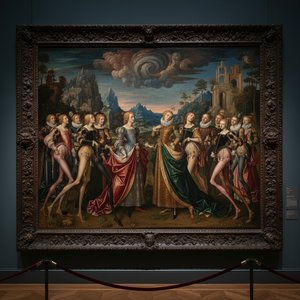
Explore the dramatic evolution of Northern Mannerism. Discover how masters like Bosch and Grünewald transitioned from Renaissance harmony to profound, elegant distortion through an expert analysis of symbolism, emotional intensity, and artistic innovation.

 실제 크기로 보기
 보내기
보내기 공유하기
공유하기
 상세 보기
상세 보기 가이드 보기

 이미지 다운로드
 유사 작품 더 보기
 X-레이
X-레이 슬라이드 쇼 보기
 통계 정보
통계 정보


 상세 보기
상세 보기









 유리 옵션은 110cm 미만 크기에서만 선택 가능합니다.


